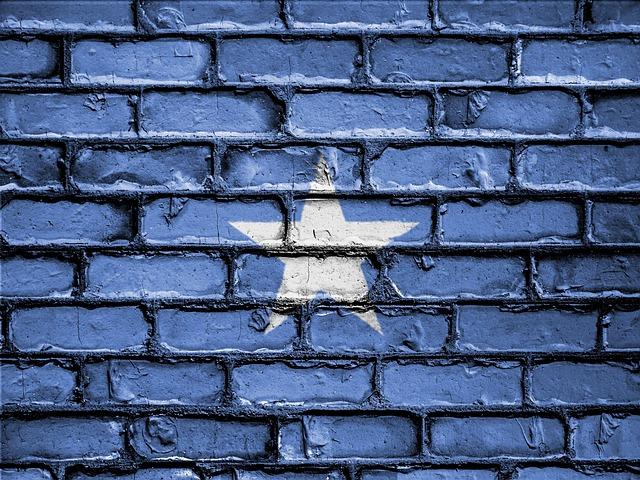
In a firm stance against the potential resettlement of Palestinian refugees from Gaza,both Somalia and its breakaway region,Somaliland,have categorically declined any involvement in talks regarding the relocation of displaced individuals. This decision underscores the complex dynamics of both domestic and international politics in a region that has historically navigated its own set of challenges. the announcement comes amid ongoing tensions in the Gaza Strip, leading too increased discussions globally about refugee resettlement options. As nations grapple with humanitarian responsibilities and regional stability, the positions taken by Somalia and Somaliland reflect deeper issues related to sovereignty, national identity, and the intersection of humanitarian efforts with geopolitical realities.The implications of this refusal resonate beyond the immediate context, prompting critical questions about the future of displaced populations and the role of neighboring countries in addressing one of the most pressing humanitarian crises of our time.
Somalia and Somaliland Reject Resettlement Proposals for gaza Palestinians Amid Humanitarian Concerns
Authorities in Somalia and Somaliland have firmly dismissed proposals for resettling Palestinians displaced by the ongoing crisis in Gaza, citing significant humanitarian concerns. Leaders from both regions have expressed their commitment to supporting the Palestinian cause thru awareness and advocacy rather than facilitating a resettlement that could disrupt local communities and exacerbate existing socio-economic challenges. This decision underscores a broader regional apprehension about the implications of such resettlement efforts.
Officials have outlined several key reasons for their stance, including:
- National Sovereignty: There is a strong emphasis on maintaining national integrity and ensuring that any changes in demographics do not jeopardize the delicate social fabric of the regions.
- resource Limitations: Both Somalia and Somaliland face considerable resource constraints and are currently struggling to provide for their own populations, making it impractical to accommodate a large influx of displaced individuals.
- Humanitarian Focus: Leaders argue that their focus should remain on providing humanitarian aid directly to Gaza and supporting initiatives that help Palestinians within their own territories, rather than resettling them elsewhere.
Analyzing the Political Implications of Refugee Resettlement in East africa
The recent declaration by Somali and Somaliland authorities regarding the rejection of talks for resettling Palestinians from Gaza has sparked significant debate about the political ramifications of refugee resettlement in East Africa. Both regions, having withstood their own tumultuous histories with displacement, now face a complex web of challenges linked to the influx of new populations. By firmly standing against the proposed resettlement, Somali and Somaliland leaders signal a commitment to national sovereignty and resource management, wich will inevitably influence inter-regional relations and international perceptions of their governance capabilities. This stance reflects a growing reluctance among many East African nations to absorb larger refugee populations amid domestic challenges such as poverty, political instability, and ongoing conflicts.
Moreover, the refusal to engage in discussions about resettling Palestinians raises critical questions about the long-term implications for regional solidarity and humanitarian efforts. Key players in East Africa must navigate a delicate balance between demonstrating compassion and addressing their existing socio-economic struggles. Among the underlying issues are:
- Resource Allocation: Limited resources may lead to increased tensions among host communities.
- Public Sentiment: Existing public attitudes towards refugees can significantly shape governmental policies.
- International Relations: The decision may effect diplomatic ties with countries and organizations advocating for Palestinian rights.
Ultimately, the political landscape surrounding refugee resettlement in East Africa continues to evolve, requiring careful consideration of both ancient contexts and future stability ambitions. The implications of these decisions extend far beyond borders, impacting not only the communities involved but also shaping East Africa’s role on the world stage in addressing humanitarian crises.
Recommendations for Enhancing Regional collaboration on Humanitarian Aid and Refugee Support
In light of the complex humanitarian crises and ongoing conflicts affecting vulnerable populations in the region, it is essential to foster enhanced regional collaboration among governments and NGOs. Collaborative efforts should focus on the following key strategies:
- Establishing Joint Task Forces: Forming regional task forces that include representatives from various countries can facilitate better coordination in response to humanitarian needs, ensuring a more effective allocation of resources.
- Shared Best Practices: Regular forums should be organized to share success stories and lessons learned from different humanitarian initiatives. This sharing of knowledge can help refine approaches and strategies for refugee support.
- Cross-Border Support Networks: Implementing networks that allow for the transfer of aid and resources across borders can enhance the immediate impact of humanitarian work and build trust among nations.
Moreover, to solidify these collaborations, it is vital to engage local communities and establish partnerships with grassroots organizations.This can include:
- Community Engagement Initiatives: Involving local populations in the planning and implementation of aid projects ensures that the support provided is culturally sensitive and meets the actual needs of the refugees.
- Capacity building: Investing in the training of local organizations not only strengthens their ability to respond to crises but also fosters independence and resilience within communities.
- Leveraging Technology: Utilizing digital platforms for interaction and resource sharing can significantly enhance coordination and real-time response capabilities among humanitarian actors across the region.
Insights and Conclusions
the firm stance taken by both Somalia and Somaliland regarding the resettlement of Palestinians from Gaza underscores the complexities surrounding the issue of refugees in the region. As both governments navigate their domestic and international priorities, their declarations reflect deep-seated concerns over national identity, sovereignty, and the socio-political ramifications of such a move. As this situation unfolds,it remains crucial for regional and international stakeholders to consider the broader implications of displacement and support constructive dialogues that prioritize humanitarian needs while respecting the sovereignty of host nations. The ongoing developments in Gaza and the societal impacts on the broader Middle East will continue to demand attention and action from the global community.