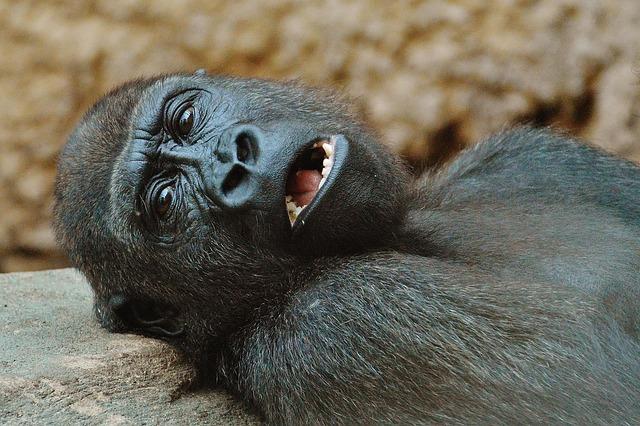
In a significant move to ensure the survival of one of the world’s most endangered species, Rwanda has announced plans to expand its national parks to accommodate the growing population of mountain gorillas. Known for their remarkable conservation efforts, the Rwandan government aims to create a more sustainable habitat for these splendid primates, whose numbers have seen a remarkable resurgence in recent years. This initiative not only highlights Rwanda’s commitment to wildlife preservation but also underscores the importance of balancing ecological needs with the increasing pressures of tourism and habitat encroachment. In this article, we delve into the details of the park expansion plans, the factors contributing to the gorilla population growth, and the implications for conservation efforts in the region.
Rwanda’s Vision for Gorilla Conservation Amidst Population Growth
In a proactive approach to wildlife conservation, Rwanda is initiating plans to expand its national parks to support and sustain the growing population of mountain gorillas. This growth comes in response to increasing numbers recorded in the Volcanoes National Park,a UNESCO World Heritage site and the heart of the country’s gorilla tourism. As the gorilla population rises, the government recognizes the need for larger habitats to ensure their protection while maintaining biodiversity within the ecosystem. The expansion will not only accommodate the gorillas,but it will also enhance the park’s capabilities in terms of research and visitor experience.
To implement this vision, several key strategies are being considered:
- Habitat Restoration: Rehabilitating degraded areas to create a more conducive habitat for gorillas.
- Community Engagement: Involving local communities in conservation efforts to foster coexistence and ensure sustainable practices.
- ecotourism Development: Expanding tourism infrastructure that promotes conservation while providing economic benefits to residents.
- Research Initiatives: Increasing funding for scientific studies to monitor the health and behaviour of these majestic creatures.
By embracing these strategies, Rwanda aims to not only preserve its unique mountain gorillas but also promote a model of conservation that balances wildlife protection with socioeconomic development.
Exploring the Ecological Impact of Park Expansion on Biodiversity
The ongoing expansion of national parks in Rwanda presents both remarkable opportunities and potential challenges for local ecosystems. By increasing the size of protected habitats, authorities aim to provide a sustainable environment for the growing mountain gorilla population, which has been a success story in conservation efforts.However, this development entails a careful examination of its ecological ramifications. key considerations include:
- Habitat Fragmentation: As park boundaries shift to accommodate new areas, existing ecosystems may face fragmentation, affecting wildlife migration patterns.
- Invasive Species: Expansion efforts can inadvertently introduce non-native species, which may outcompete local flora and fauna, destabilizing existing ecosystems.
- Human-Wildlife Conflict: expanding parks often leads to increased human encroachment,raising the likelihood of conflicts between wildlife and local communities.
Examining these factors is crucial to ensuring that the benefits of park expansion are maximized while mitigating any adverse effects on biodiversity. Conservationists must engage in comprehensive environmental assessments and collaborate with local stakeholders to develop management strategies that prioritize both the survival of gorillas and the preservation of their natural habitat. By fostering ecological resilience, Rwanda can serve as a global model for balancing wildlife conservation with human interests.
Strategies for Sustainable Tourism Development in Gorilla Habitats
As rwanda looks to expand its national parks to accommodate the burgeoning gorilla population, it becomes essential to implement sustainable tourism practices that not only protect the wildlife but also support the local communities. By integrating eco-amiable initiatives, the government can enhance visitor experiences while ensuring that the natural habitat remains intact. Key strategies include:
- Community Engagement: Involve local communities in tourism planning and operations, providing them with economic incentives that promote conservation.
- Eco-Tourism Education: educate tourists about the importance of protecting gorillas and their habitats, fostering a sense of responsibility and advocacy.
- Infrastructure Development: Invest in sustainable infrastructure, such as eco-lodges and renewable energy sources, to minimize environmental impact.
- Wildlife Monitoring Programs: Establish ongoing research and monitoring of gorilla populations to adapt conservation efforts as needed.
By prioritizing the balance between tourism growth and habitat preservation, Rwanda can ensure that its gorilla populations thrive alongside sustainable economic opportunities for its people. Collaborating with conservation organizations and utilizing advanced technology for tracking wildlife can significantly enhance these efforts. Additional approaches include:
- Strict Regulation Implementation: Enforce guidelines for tourist behaviors to minimize disturbances to the gorillas and their ecosystems.
- Promoting Off-Season Tourism: Encourage visits during less busy times to distribute visitor impact more evenly throughout the year.
- Responsible Marketing: Market Rwanda’s unique assets wisely,highlighting the importance of conservation and responsible tourism practices.
Closing Remarks
rwanda’s initiative to expand its national parks reflects a commendable commitment to wildlife conservation and the protection of its burgeoning gorilla population. As tourism and conservation efforts continue to intertwine, this expansion not only aims to provide a sustainable habitat for these magnificent creatures but also enhances Rwanda’s status as a leading destination for eco-tourism. By prioritizing the needs of the gorillas, the government demonstrates a forward-thinking approach that seeks to balance environmental stewardship with economic growth. As we look ahead, the successful implementation of these plans could serve as a model for other nations grappling with similar challenges in wildlife conservation.The world will be watching closely as Rwanda paves the way for a future where both wildlife and communities can thrive.