

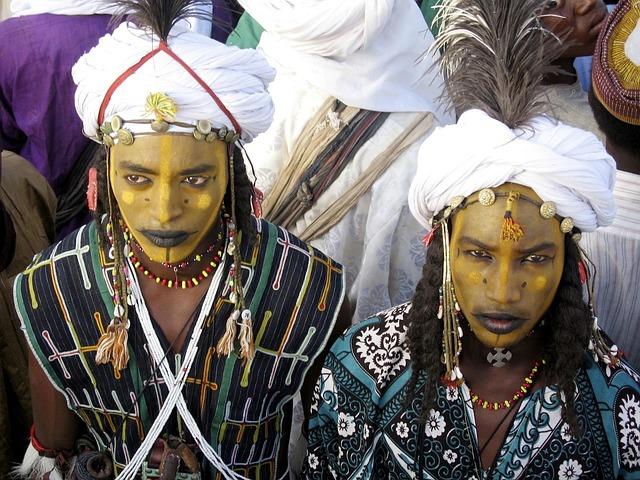
In a historic step that has important implications for LGBTQ+ rights in West Africa, Niger has officially criminalized same-sex intimacy, marking a stark regression in human rights within the region. The new legislation, which has sparked immediate condemnation from human rights organizations, represents the first time such acts have been made illegal in the nation’s history. The Human Dignity Trust, an institution dedicated to promoting equality, has expressed deep concern over the potential ramifications for the LGBTQ+ community in Niger, where societal stigma already poses severe challenges. This progress not only highlights the growing trend of anti-LGBTQ+ legislation across the continent but also raises urgent questions about the protection of human rights and the fight for dignity in a country where many already face persecution. As Niger navigates its political landscape, the implications of this law extend far beyond its borders, signaling a troubling shift in attitudes toward sexual orientation and personal freedoms.
niger’s Historic criminalization of Same-Sex Intimacy and its Implications for LGBTQ Rights
Niger’s recent decision to criminalize same-sex intimacy marks a significant turning point in the social and legal landscape for LGBTQ individuals in the country. This historic move, which introduces penalties of imprisonment for individuals engaging in consensual same-sex acts, represents a shift towards more repressive policies that echo similar laws across various African nations. Observers have raised concerns that this legislation not only endangers the lives of LGBTQ individuals but also erodes the progress made in human rights advocacy within Niger.The implications extend beyond legal ramifications, as social stigma and discrimination can escalate in the wake of such laws, compromising the safety and dignity of countless individuals.
The law carries with it a range of potential consequences that can further marginalize an already vulnerable population. As a result, several critical issues arise, including:
- Increased Violence and Discrimination: Legal repercussions can lead to a rise in hate crimes and acts of violence against LGBTQ individuals, precipitating an environment of fear and ostracization.
- erosion of Health Services: Individuals may hesitate to seek medical care, fearing discrimination from health providers or legal repercussions, which can exacerbate public health issues, including the spread of HIV.
- Impediments to Advocacy: Activism and advocacy efforts may be severely hindered, as organizations working to support LGBTQ rights could face increased repression, limiting their capacity to effect change.
Understanding the Legal and Social Landscape Post-Criminalization in niger
In a significant shift for human rights in Niger, the recent criminalization of same-sex intimacy has ushered in a new era of legal challenges and social implications. With this law in place, individuals identifying as LGBTQ+ now face severe penalties, which not only threaten their physical safety but also exacerbate feelings of marginalization within society. This legal change is a stark reflection of the country’s broader cultural attitudes, where traditional values often overshadow human rights considerations. The ramifications of this legislation extend far beyond the courtroom, impacting social interactions, healthcare access, and community support systems, leading to heightened fear and isolation among those affected.
The enforcement of these laws raises critical questions regarding the protection of human rights and the role of international organizations in advocating for social justice. as various NGOs mobilize to address the challenges presented by this legal framework, they face a complex environment marked by institutional resistance and cultural stigmas. Key considerations for advocacy include:
- Public awareness: Educating communities about LGBTQ+ rights and promoting acceptance to counteract ingrained prejudices.
- Legal support: Providing resources for those facing discrimination or legal repercussions due to their sexual orientation.
- International Solidarity: Engaging with global human rights organizations to apply diplomatic pressure on Niger’s government to reconsider such laws.
As these dynamics unfold, the discourse surrounding human dignity and legal rights in Niger will increasingly need to challenge and redefine societal norms, aiming for a more inclusive future.
Pathways to Advocacy: Recommendations for Protecting Human Dignity and rights in Niger
The recent legislative move in Niger to criminalise same-sex intimacy marks a stark regression in the country’s commitment to human rights. in light of this troubling development, a multifaceted approach is necessary to advocate for the protection of human dignity and rights. First, grassroots organisations must be empowered to raise awareness about the implications of such laws, educating the public on the importance of inclusivity and acceptance. Engaging religious leaders and community influencers as allies can further challenge discriminatory narratives, fostering a culture that values diversity.
Moreover, collaboration with international human rights bodies will be crucial in applying pressure on the Nigerien government to reconsider these draconian measures. Advocates should focus on the following strategies:
- Utilising Social Media: Harnessing the power of social platforms to amplify voices and stories of those affected can create a global narrative of resistance.
- Legal Challenges: Pursuing strategic litigation to contest the constitutionality of the new laws may provide pathways for change within the legal system.
- building Alliances: Forming coalitions with other human rights organisations locally and internationally can strengthen lobbying efforts and mobilise resources.
- Documenting Human Rights Violations: Systematically recording instances of discrimination and violence against the LGBTQ+ community can provide vital evidence for advocacy efforts.
In Summary
the recent legislative move by Niger to criminalize same-sex intimacy marks a significant step in a troubling trend regarding LGBTQ+ rights in the region.As the nation joins a growing list of countries enforcing anti-sodomy laws, human rights advocates express deep concern over the potential ramifications for individual freedoms and public health. Organizations like the Human Dignity Trust emphasize the need for an urgent response from the international community to protect marginalized individuals in Niger and ensure that the fundamental rights to dignity and safety are upheld. As this situation continues to unfold, it remains imperative to monitor the impacts of such legislation not only on the LGBTQ+ community in Niger but also on broader efforts to promote human rights and equality across West Africa. The struggle for justice and human dignity is far from over, and it calls for ongoing advocacy, awareness, and action.










