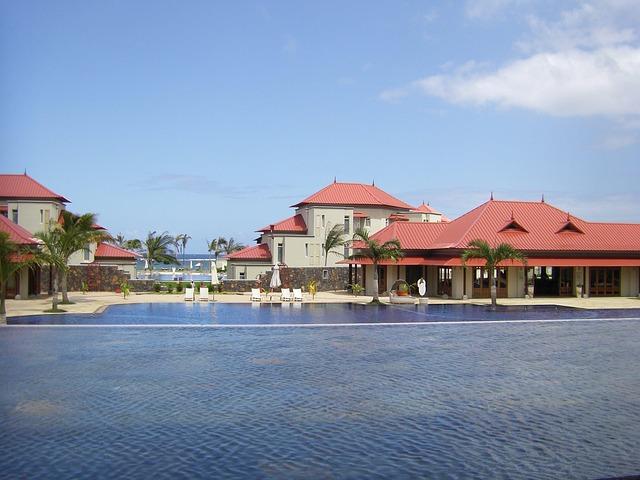
Mauritius, an idyllic island nation nestled in the Indian Ocean, is not only celebrated for its breathtaking landscapes and vibrant culture, but also for its diverse and dynamic population. In recent years, demographic trends in Mauritius have garnered increased attention as they reflect broader global patterns of migration, urbanization, and socio-economic development. In this article, we delve into the intricate tapestry of Mauritius’s population and demography, drawing insights from the extensive data provided by Our World in Data. We will explore key demographic indicators, including population growth, age distribution, ethnic diversity, and urbanization rates, shedding light on the challenges and opportunities that shape the country’s social fabric and economic landscape.As Mauritius continues to evolve in the 21st century, understanding its demographic profile becomes crucial for policymakers, researchers, and anyone interested in the future of this unique island nation.
Understanding the Population Dynamics of Mauritius
The island nation of Mauritius presents a fascinating case study in population dynamics, shaped by its unique geographic, cultural, and ancient contexts.With a total population of over 1.3 million, Mauritius has experienced significant demographic changes since its independence in 1968. The fertility rate has declined substantially, moving from over 5 children per woman in the late 1960s to around 1.5 in recent years. This decline is attributed to various factors, including increased access to education, family planning initiatives, and a growing female workforce, all contributing to a shift towards smaller family sizes.
The population structure of Mauritius is also marked by its ethnic and cultural diversity,with a population composed of various groups,including Indo-Mauritians,Creole,Sino-Mauritians,and Franco-Mauritians. This diversity is reflected in the island’s vibrant culture, language, and social fabric. Some key developments in the demographic landscape include:
- aging population: Like many countries, Mauritius faces the challenge of an aging population, which has implications for healthcare and social services.
- Urbanization: The shift from rural to urban areas continues to influence living conditions, economic opportunities, and migration patterns within the country.
- Immigration and emigration: Economic opportunities and educational prospects have led to both an influx of immigrants and a trend of emigration, notably among the younger population seeking opportunities abroad.
Analyzing Age Distribution and Its implications for Development
The age distribution in Mauritius reflects a dynamic demographic landscape that plays a crucial role in shaping the nation’s socio-economic framework. As the proportion of the population in the working-age group (15-64 years) swells, it presents both opportunities and challenges. The country is experiencing a demographic dividend, characterized by a rising number of individuals able to contribute to the labor market. However, this boon is coupled with the pressing need to establish robust educational systems and skill development programs to harness the potential of this burgeoning workforce.
Conversely, an increasingly aging population highlights the necessity for sustainable healthcare and social security policies. The elderly demographic is predicted to grow,which poses significant implications for public spending and resource allocation. Policymakers must address the balance between supporting the aging population and investing in the youth segment. To navigate these complexities effectively, it will be essential to promote inclusive growth, prioritize healthcare initiatives, and enhance employment opportunities for all age groups, ensuring that the benefits of development are shared equitably across the population.
Strategies for Addressing Demographic Challenges in Mauritius
mauritius faces a set of demographic challenges that require innovative and sustainable solutions to ensure the well-being of its population. one effective strategy is the enhancement of education and skill development programs aimed at both youth and older workers. By investing in technical and vocational training, the country can equip its workforce with the necessary skills to adapt to changing market demands, thereby boosting employability and economic productivity. Additionally, promoting lifelong learning initiatives will allow individuals to continuously upgrade their skills and remain competitive in a dynamic job market.
Another crucial strategy involves fostering inclusive policies that support the integration of marginalized communities into the economy.Programs that encourage entrepreneurship among women and minority groups can help diversify economic opportunities, thereby strengthening community resilience. Furthermore, implementing family-pleasant policies, such as extended parental leave and accessible childcare services, can encourage higher birth rates and ensure a balanced demographic structure. Lastly, consistent efforts in healthcare improvement will not only enhance the quality of life but also create a productive workforce capable of contributing to the nation’s growth.
Insights and Conclusions
Mauritius represents a unique case study in the realm of population dynamics and demographic trends. As a nation characterized by its cultural diversity and economic evolution, the demographic statistics reveal much about its societal structure and future challenges. The insights provided by our World in Data highlight critical factors, including population growth rates, age distribution, and migration patterns, all of which play a fundamental role in shaping the island’s social and economic policies.
As Mauritius continues to navigate the complexities of globalization and climate change, understanding its population and demographic trends will be essential for formulating effective strategies that address underlying issues such as healthcare, education, and employment. By leveraging its rich data resources,policymakers and researchers can work collaboratively to ensure a sustainable and prosperous future for all Mauritians. As we continue to explore these themes, it is indeed clear that the study of population dynamics remains an invaluable tool for unlocking the potential of this vibrant nation.