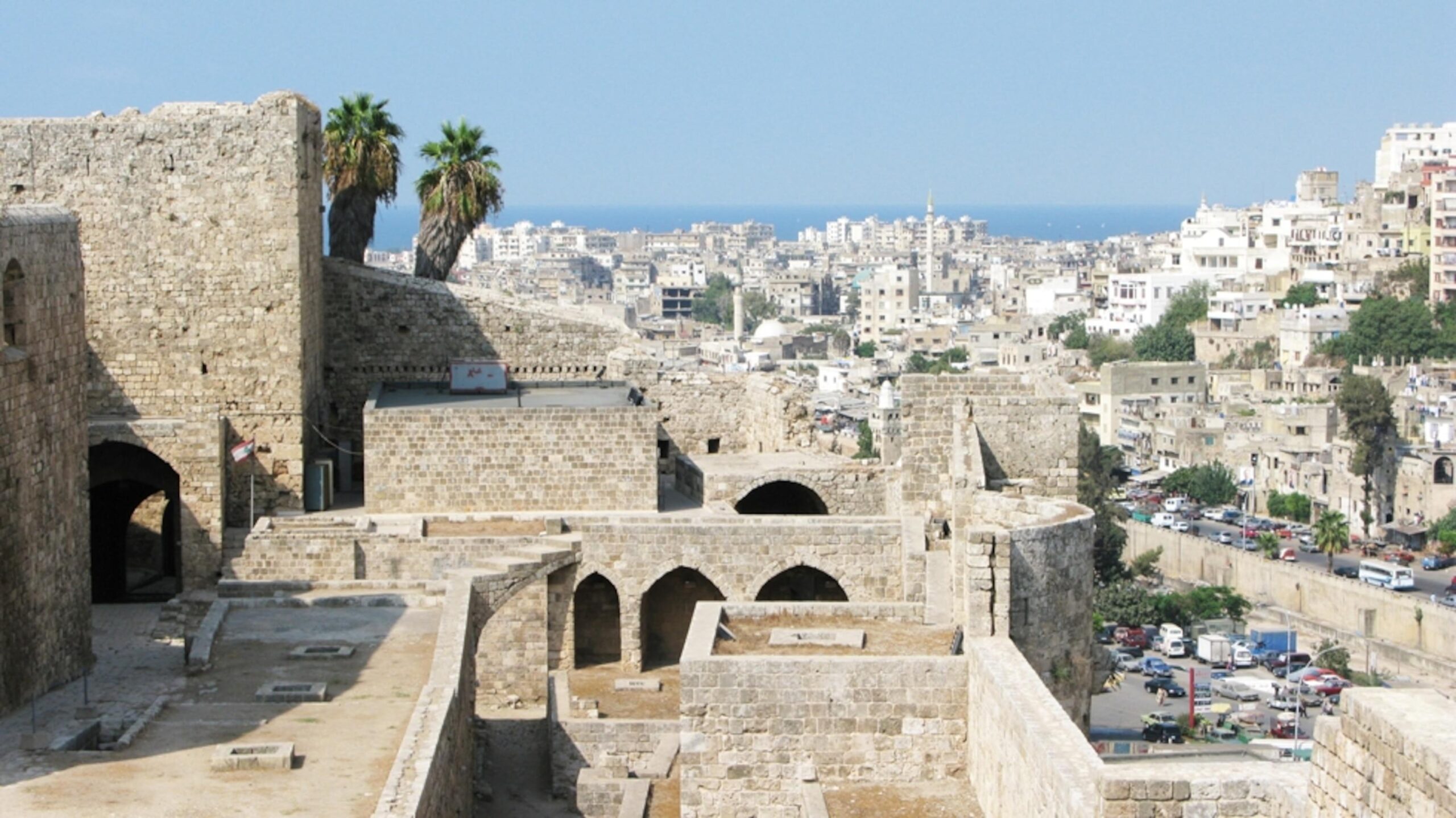
In recent weeks, Tripoli has found itself at the epicenter of renewed violence and unrest, as clashes between rival factions escalate, signaling a troubling resurgence of instability in Libya. The capital, long considered a focal point for political power and economic activity, is now reeling from violent confrontations that threaten to unravel years of fragile peace efforts. As armed groups vie for control, the situation raises significant concerns about the potential for prolonged turmoil, not just in Tripoli but across the country. In this article, we delve into the current crisis, examining the underlying causes, the ramifications for Libyan society, and the broader implications for regional security as the nation grapples with its tumultuous past and uncertain future.
Understanding the Underlying Causes of Tripoli’s Recent Clashes
The recent clashes in Tripoli can be traced back to a complex interplay of political,social,and economic factors that have long plagued Libya. Some of the key underlying causes include:
- Fragmented Political Landscape: Libya’s government remains divided, with multiple factions vying for control, leading to a power vacuum that fosters unrest.
- Militia Activity: Armed groups continue to operate independently, often clashing over territorial disputes or resources, which escalates tensions.
- Socioeconomic Discontent: High unemployment rates and rampant inflation have exacerbated public grievances, prompting protests that can quickly turn violent.
Moreover, the historical context of foreign intervention adds another layer of complexity to the current situation. Factors contributing to ongoing instability include:
- Legacy of Chaos: The fall of Gaddafi in 2011 created a power vacuum, leading to a prolonged struggle for dominance among various political and military actors.
- International Influences: External support for different factions has fueled conflict, with foreign interests often contradicting local needs.
- Ethnic and Regional Tensions: Deep-rooted ethnic divisions continue to shape loyalties and rivalries, complicating efforts toward national unity.
Impact on Libya’s Political Landscape and Humanitarian Situation
The recent clashes in Tripoli have exacerbated an already tenuous political landscape in Libya, where various factions vie for power amid a backdrop of governance challenges and economic strife. The violence has drawn attention to the fragility of the ceasefires established in previous years, highlighting the deep-rooted rivalries among armed groups that threaten any semblance of unity within the interim government. The latest confrontations not only destabilize current political negotiations but also jeopardize the prospects for upcoming elections. Key political players are now re-evaluating their alliances,which can further complicate the already convoluted path toward achieving national reconciliation.
The deterioration of order in Tripoli has dire implications for the humanitarian situation across the country. As clashes disrupt access to essential services, many Libyans find themselves increasingly vulnerable to the fallout of armed conflict. Humanitarian organizations are struggling to deliver aid amid escalating insecurity, leading to heightened risks for civilians and displacement of communities. The key areas of concern include:
- Access to healthcare: Hospitals face challenges in maintaining operations due to damage and understaffing.
- Food insecurity: Supply chains are disrupted, leading to shortages of basic necessities.
- Protection of civilians: Many residents live in fear, with reports of increased violence against vulnerable populations.
Strategies for International Engagement and Local Reconciliation Efforts
In the face of escalating tensions and violence in Tripoli, effective strategies for international engagement become critical to foster stability and promote local reconciliation. Diverse stakeholders must collaborate on a multifaceted approach that includes:
- Dialogue Facilitation: Encourage open lines of communication between warring factions, utilizing neutral international mediators to facilitate discussions.
- Economic Incentives: Leverage international aid and investments to incentivize peace-building initiatives, focusing on job creation and essential services.
- Cultural Exchange Programs: Promote initiatives that foster understanding and solidarity among diverse communities,aiming to bridge divides through shared cultural experiences.
For such initiatives to yield tangible results,they must align with local needs and realities. Building trust within communities is paramount, requiring dedicated efforts such as:
- Grassroots Mobilization: Empower local organizations to lead reconciliation efforts tailored to their community’s unique context.
- Peace Education: Implement educational programs focusing on conflict resolution and the importance of mutual respect.
- Transparent Governance: Encourage accountability and participatory governance to rebuild public trust in local authorities.
| Focus Area | Strategy |
|---|---|
| Dialogue | Facilitate communication between factions |
| Economic Advancement | Support job creation and services |
| Cultural Understanding | Encourage cultural exchange programs |
| Community Empowerment | Mobilize local organizations for reconciliation |
| Education | Promote peace education initiatives |
| Governance | Ensure transparency and accountability |
To Wrap It Up
the recent clashes in Tripoli underscore the precarious nature of Libya’s political landscape, highlighting the ongoing struggle for power and control among various factions. As confirmed by Crisis24, the violent eruptions not only threaten immediate peace but also foreshadow a deepening cycle of instability that could hinder progress toward a unified government. The international community must remain vigilant, as the ramifications of these conflicts extend beyond Libya’s borders, perhaps affecting regional security. Without decisive action and a concerted effort towards dialogue and reconciliation, Libya risks sliding further into chaos, leaving its citizens to bear the burden of a fractured nation. The coming weeks will be crucial in determining whether peace or further turmoil will dominate the Libyan narrative.