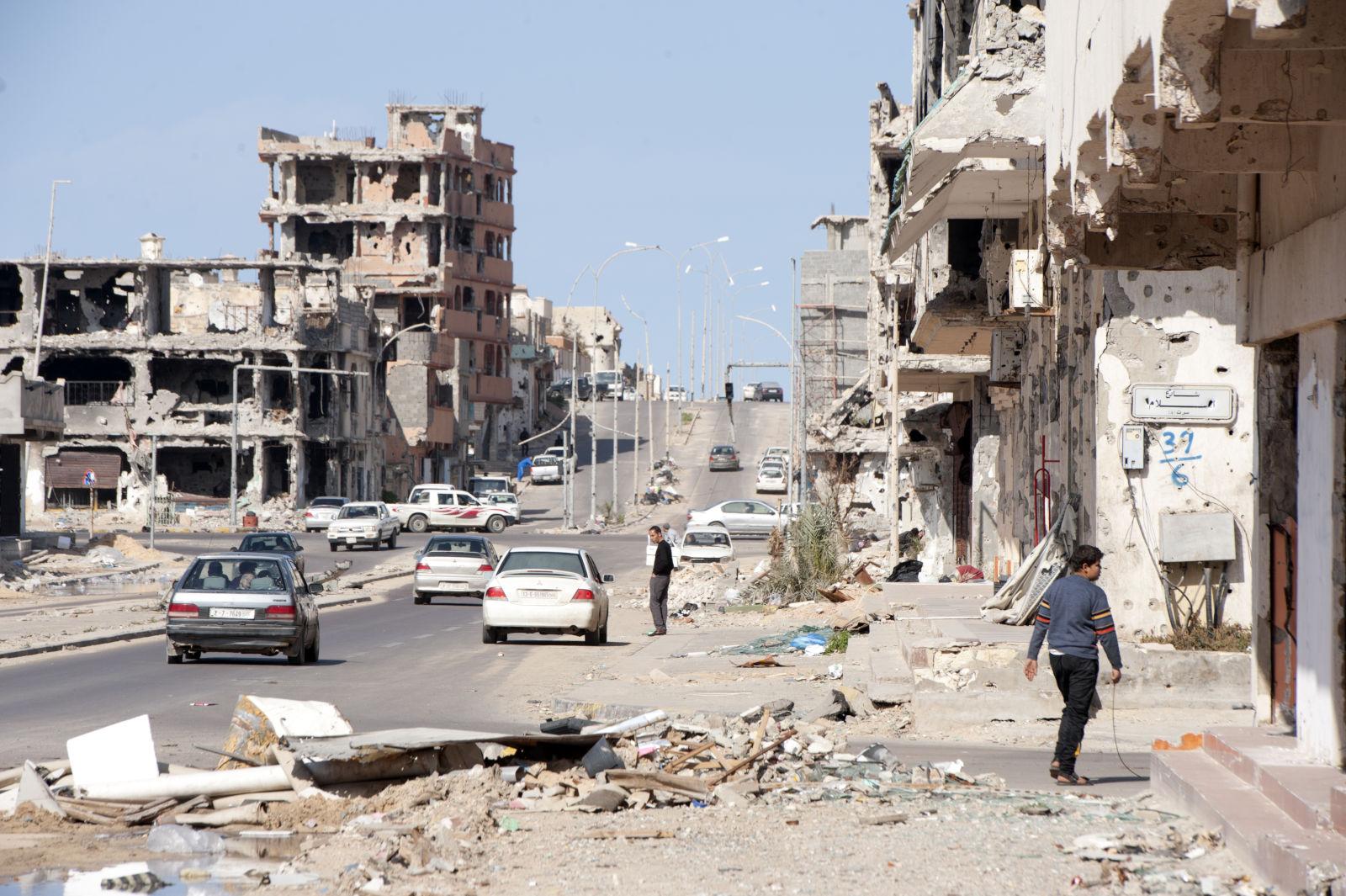
In a critically important advancement in the realm of international justice, Libya has officially accepted the jurisdiction of the International Criminal Court (ICC) to investigate and prosecute alleged crimes committed within its borders from the onset of the 2011 uprising to the anticipated conclusion of 2027. This landmark decision reflects Libya’s recognition of the importance of accountability and the rule of law in a nation still grappling with the aftermath of years of conflict and political instability. The ICC has been tasked with addressing a range of serious offenses, including war crimes, crimes against humanity, and other violations, as the Libyan government seeks to restore trust among its citizens and demonstrate its commitment to upholding human rights. As the world watches closely, this move is poised to reshape the landscape of justice in Libya and set a precedent for post-conflict nations grappling with their own legacies of violence and impunity.
Libya’s Shift Towards Accountability: Embracing ICC Jurisdiction for Past and Future Crimes
In a historic move, Libya has officially accepted the jurisdiction of the International Criminal Court (ICC) for crimes committed between 2011 and the end of 2027. This decision signals a significant shift in the nation’s approach to accountability and suggests a renewed commitment to justice in the aftermath of years marked by conflict and instability. With the ICC set to oversee investigations and prosecutions, the Libyan government is taking a proactive stance in addressing past offenses while establishing a legal framework to prevent future violations.
The implications of this development are profound, as it opens avenues for victims and advocates seeking justice. The shift towards ICC jurisdiction is anticipated to bring about several key benefits:
- Strengthened Legal Framework: Enhanced guidelines and procedures for addressing war crimes and human rights abuses.
- International Support: Increased collaboration with global legal entities to ensure fair trials and investigations.
- Victim Empowerment: Improved access for victims and communities to reclaim their rights and seek reparations.
This acceptance not only marks a watershed moment for Libya but also fosters hope for victims who have long awaited justice. International observers will be keenly monitoring the implementation of this jurisdiction, as it holds the potential to redefine accountability in the region.
The International Criminal Court’s Role in Addressing Human Rights Violations in Libya
The recent decision by Libya to accept the jurisdiction of the International Criminal Court (ICC) marks a significant step forward in the global effort to tackle human rights violations stemming from the civil unrest that erupted in 2011. This development opens the door for the ICC to investigate and prosecute alleged crimes, providing a ray of hope for victims seeking justice. The ICC’s role is particularly vital in a country where numerous factions have operated with impunity, exacerbating an already dire humanitarian situation. By acknowledging ICC jurisdiction from 2011 to the end of 2027, Libya has committed to a framework that not only seeks accountability but also paves the way for legal mechanisms that can redefine the country’s approach to human rights protections.
Through its investigations, the ICC can address a wide array of violations that have plagued Libya, including war crimes, crimes against humanity, and widespread abuses against civilians.The ICC’s mandate ensures that the voices of those who have suffered are heard, reinforcing the principle of individual accountability for atrocities. Key areas of focus may include:
- Targeted attacks on civilians
- Human trafficking
- Torture and inhumane treatment
With Libya’s acceptance, the ICC will not only enhance its operational capacity but also galvanize international support and cooperation in bringing perpetrators to justice. This collaboration is crucial for restoring faith in legal institutions and providing a semblance of stability within Libya’s fractured political landscape.
Recommendations for Strengthening Legal Frameworks and Cooperation with the ICC
To strengthen legal frameworks and enhance cooperation with the International Criminal Court (ICC), Libya must prioritize establishing complete mechanisms that ensure accountability for past and ongoing atrocities. This can be accomplished by:
- Developing a robust domestic legal code: By aligning national laws with international standards, Libya can better prosecute crimes that fall under the ICC’s jurisdiction.
- Creating specialized courts: Dedicated courts for handling cases of war crimes and crimes against humanity can streamline proceedings and ensure expert oversight.
- Fostering openness: Implementing policies that promote public access to legal processes can help build trust and ensure that victims feel heard.
- Training legal professionals: Equipping judges, prosecutors, and law enforcement with necessary expertise will enhance their capability to handle complex cases effectively.
Moreover,bolstering international cooperation will be essential for Libya’s legal system to function effectively within the framework provided by the ICC. This involves:
- Establishing partnerships with international organizations: Collaborating with entities such as the United Nations and non-governmental organizations can provide vital resources and support for investigations.
- Participating in joint training programs: Engaging in workshops with ICC experts may offer insights into best practices in prosecuting international crimes.
- Implementing evidence-sharing protocols: Creating formal agreements for sharing evidence will reduce redundancy and enhance the efficacy of legal proceedings.
Key Takeaways
Libya’s recent decision to accept the jurisdiction of the International Criminal Court (ICC) marks a significant milestone in the country’s ongoing efforts to address past atrocities and uphold international justice. By acknowledging the ICC’s authority over alleged crimes committed from 2011 until the end of 2027,Libya has taken a crucial step toward accountability for victims and a more stable future for its citizens. This acceptance not only reinforces the ICC’s mandate to prosecute grave violations of human rights but also signals a commitment from Libyan authorities to confront its tumultuous past. As the international community watches closely, the outcome of this collaboration will be critical in shaping Libya’s path toward reconciliation and the rule of law. The implications of this development extend beyond Libyan borders, highlighting the enduring importance of global cooperation in the pursuit of justice for all. As we move forward, it remains essential to monitor the progress of investigations and prosecutions, ensuring that the principles of justice and accountability remain at the forefront of Libya’s national dialog and international partnerships.