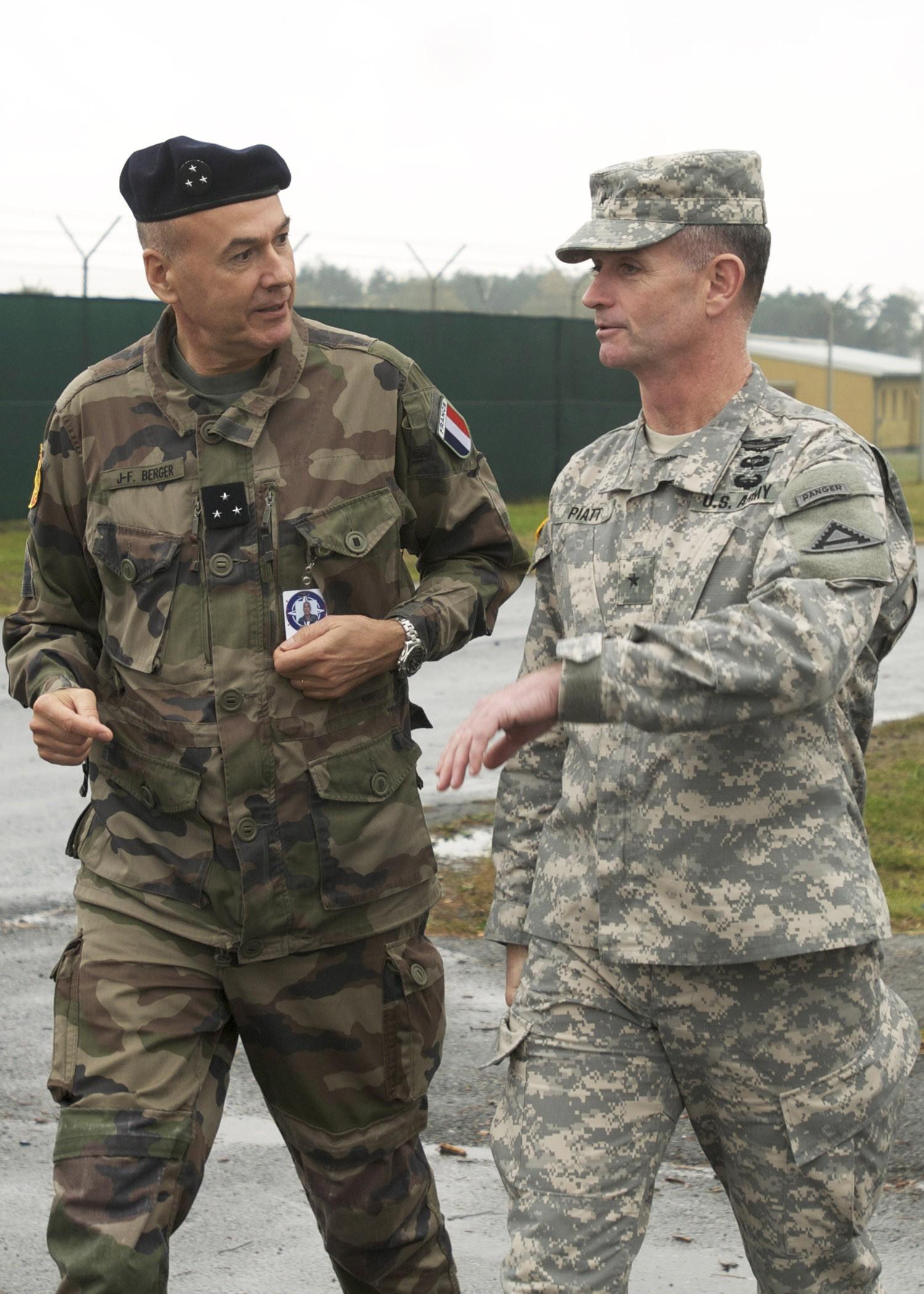
In recent developments surrounding the complex and turbulent political landscape of Libya, the United States has reiterated its commitment to fostering stability and governance in the region. As part of this initiative, Washington is advocating for the establishment of a unified Libyan army that operates under civilian control. This strategic move is aimed at bolstering national security and countering a fragmented military landscape that has plagued the country since the fall of Muammar Gaddafi in 2011. The endorsement of a cohesive military institution not only seeks to enhance Libya’s sovereignty but also reflects broader U.S. interests in promoting democratic governance and regional stability. This article explores the implications of the U.S. stance on Libya’s military unification, the challenges ahead, and the potential effects on the nation’s future and its relations with the international community.
The Strategic Importance of a Unified Army for Libya’s Stability and Security
The path to lasting peace in Libya hinges substantially on the establishment of a unified army that operates under civilian oversight. With the nation facing multifaceted challenges—including political fragmentation,ongoing conflict among various militias,and external interference—unifying the military becomes imperative for maintaining stability. A cohesive armed force can:
- Enhance National Cohesion: A unified army fosters a sense of belonging and loyalty among Libyan citizens, transcending regional and tribal affiliations.
- Provide Effective Defense: A consolidated military entity can more effectively counter internal and external threats, thereby enhancing national security.
- Assist Humanitarian Efforts: A regulated military can support civil institutions in providing aid and resources during crises, ensuring the well-being of the population.
- Facilitate Political Stability: Control under civilian leadership allows for democratic governance and accountability,essential for a functioning political system.
International support plays an essential role in this endeavor, especially from powers like the United States, which advocates for a military structure that prioritizes civilian rule. This approach not only encourages responsible governance but also mitigates the historical prevalence of military coups in the region. A strategic framework should include:
| Key Component | Description |
|---|---|
| Training Programs | developing professional military education aligned with democratic values. |
| Joint Operations | Regular exercises with international forces to enhance operational readiness. |
| Oversight Mechanisms | Implementing systems for accountability and civilian supervision within the military. |
| Community Engagement | Strengthening the relationship between the military and local communities to build trust. |
Recommendations for International Collaboration in Supporting Libyan Governance
to effectively promote governance stability in Libya, international stakeholders must prioritize strategic collaboration that goes beyond mere diplomatic engagement. Development of a thorough framework for international support is essential, focusing on the following key areas:
- Capacity Building: Provide training and resources for Libyan institutions to enhance local governance capabilities.
- Security Sector Reform: Encourage reform initiatives that integrate military and civilian structures, ensuring accountability.
- Community Engagement: Foster dialogues that involve local communities in decision-making processes to create a more inclusive governance model.
Additionally, establishing a multilateral support mechanism can serve as a platform for coordinated actions, aligning the efforts of various international entities. This could involve:
- Joint Task Forces: create task forces that combine military advisors and civilian governance experts for tailored support.
- Financial Aid Coordination: Streamline funding through a centralized fund to avoid duplication and maximize impact.
- Regular Monitoring and Evaluation: Implement a framework for continuous assessment of programs to ensure that thay adapt to the evolving Libyan context.
In Summary
the United States’ endorsement of a unified army under civilian control in Libya represents a important step towards stabilizing the region and fostering a more cohesive governance structure. By prioritizing democratic principles and national unity, the U.S. aims to support Libya in navigating its complex political landscape,which has been marred by conflict and fragmentation as the fall of Muammar Gaddafi. As the international community continues to monitor developments closely, the success of this initiative will largely depend on the cooperation of Libyan factions and the commitment to uphold civilian rule. Moving forward, the global stage will be watching how this strategic support unfolds, shaping the future of Libya and its quest for lasting peace and stability.