
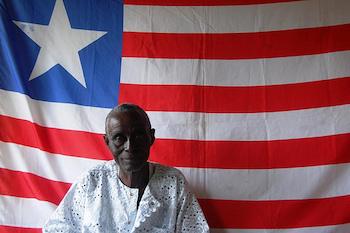
In a powerful display of public sentiment, citizens across Liberia have taken to the streets to voice their growing frustration over the rampant issue of illicit drug use, particularly the increasingly popular substance known as “kush.” This wave of protests, marked by the rallying cry “We’re tired with Kush,” reflects a broader societal concern about the devastating effects of drug abuse on communities, families, and the nation as a whole. As participants march through the streets, holding placards and chanting slogans, their calls for action resonate deeply within a country grappling with the dual challenges of drug addiction and its associated crime. In this article, we delve into the roots of the protest movement, the widespread implications of drug abuse in Liberia, and the urgent demands of a population seeking to reclaim their neighborhoods from the grip of addiction.
Struggling Against the Spread of Kush: The Public Health Crisis in Liberia
The rise of Kush usage in Liberia has ignited a meaningful public health crisis, prompting communities to take a stand against the rampant proliferation of this illicit drug. During recent protests, citizens expressed their outrage and frustration over the increasing normalization of Kush, which has not only posed severe addiction risks but has also severely impacted social and economic conditions across the nation. The protesters, comprised of youth and concerned citizens, vocalized their demands for the government to take strict action against drug dealers and to implement comprehensive addiction recovery programs aimed at curbing this growing epidemic.
Efforts to combat this crisis are hindered by various factors,including a lack of resources and widespread stigma surrounding addiction treatment.Key challenges faced by public health officials include:
- Limited access to rehabilitation facilities that can effectively support individuals struggling with addiction.
- Insufficient funding for public health campaigns aimed at educating the population about the dangers associated with drug use.
- Social stigma that discourages individuals from seeking help and participating in recovery programs.
As the situation escalates,community leaders and health advocates are calling for a united approach that involves increased government accountability,community engagement,and international support to dismantle the illicit drug trade and its devastating impacts.
Voices of the People: Citizens Demand Government Action on Illicit Drug Trade
In a stark demonstration of concern for the safety and wellbeing of their communities, Liberians have come together to voice their frustrations regarding the rampant illicit drug trade, particularly the proliferation of “Kush.” Protesters flooded the streets,brandishing placards with powerful messages that echoed their desperation for government intervention. Many citizens articulated their fears of rising drug-related violence and the deteriorating quality of life in neighborhoods besieged by drug use. The atmosphere was charged with the overwhelming demand for accountability and action, prompting participants to chant slogans condemning the pervasive drug culture that has gripped their nation.
As the rally progressed, several speakers took to the stage, sharing personal stories and statistics that highlighted the urgent need for an effective response to the crisis. Among the key points raised were:
- Increased Drug Use: A significant rise in the consumption of Kush among youth, leading to health crises.
- Crime Rates: An alarming correlation between drug distribution and rising incidences of crime and violence.
- Government Obligation: Calls for immediate action from officials to implement policies addressing drug trafficking and addiction.
Considering these urgent appeals, community leaders have urged the government to prioritize the establishment of rehabilitation programs and stricter law enforcement measures. There is a pressing demand for openness and collaboration between government entities and local organizations to create lasting solutions. Citizens maintain that the time for dialog is over; action is imperative to safeguard the future of Liberia’s youth and restore a sense of peace and order.
Path Forward: Community Solutions and Policy Recommendations to Combat Drug Abuse
The fight against drug abuse in Liberia requires a multifaceted approach that engages the community at every level. To effectively combat the rising tide of illicit substances, it’s essential to develop local solutions that encompass education, prevention, and rehabilitation. Community-led initiatives can play a pivotal role in raising awareness about the dangers of drug use while providing support structures for those affected. Key strategies include:
- Educational campaigns targeting schools and youth organizations to disseminate details on the risks associated with drug use.
- Neighborhood outreach programs that foster a supportive habitat where individuals can seek help without stigma.
- Partnerships with local NGOs to provide resources and training for community leaders in drug prevention strategies.
On a policy level, effective legislation must be enacted to address the supply chain of illicit drugs and to establish comprehensive rehabilitation programs.Policymakers should focus on creating a balanced approach that emphasizes not only enforcement but also treatment. Critical recommendations include:
- Implementing stricter regulations on substances contributing to the drug crisis, while ensuring access to necessary medications for legitimate medical use.
- Increasing funding for substance abuse treatment facilities and mental health services.
- Establishing task forces that integrate law enforcement with community resources to address drug-related issues holistically.
To Wrap It Up
the recent protests in Liberia, as captured by the passionate voices rallying against the rise of illicit drugs, particularly kush, highlight a crucial turning point in the nation’s ongoing struggle with substance abuse.The demonstrators’ calls for government action and greater community support reflect a deep-seated frustration over the societal ramifications of drug trafficking and addiction. As Liberia grapples with the impacts of these challenges, the unity displayed by citizens serves as a powerful reminder of the collective responsibility to safeguard the health and future of the nation. The road ahead will require concerted efforts from all sectors, including government, civil society, and the media, to develop sustainable solutions that not only combat drug abuse but also empower communities to reclaim their resilience. The echoes of “We’re tired with kush” resonate beyond the streets; they represent a growing determination to create a healthier, drug-free Liberia. As the dialogue continues, it remains essential for the authorities to heed this call to action and prioritarily address the concerns raised by their constituents, ensuring a safer, more nurturing environment for all Liberians.










