

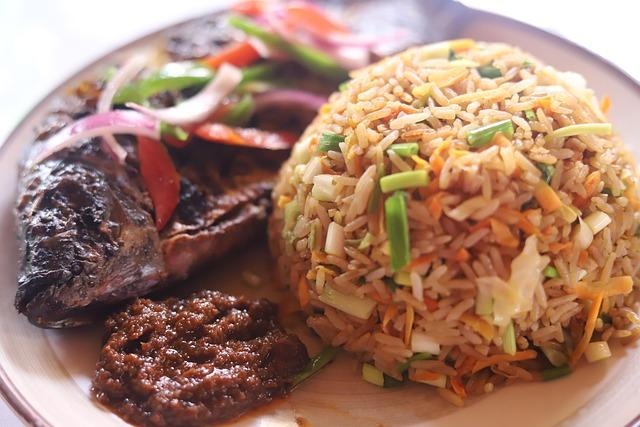
In a thrilling display of culinary prowess and national pride, Ghana has emerged victorious in the second edition of the highly anticipated Onga Jollof Battle, a contest that celebrates the rich gastronomic traditions of West Africa. The event, held recently, brought together chefs and food enthusiasts from across the region, united by their love for Jollof rice, a dish that has sparked spirited debates among nations over its origins and preparation methods. Ghana’s triumph not only highlights the country’s esteemed culinary heritage but also reinforces its status as a leader in West African cuisine.As the smoke and spices settle, this victory serves as a reminder of the cultural bonds that unite the nations, despite their friendly rivalries.
Onga Jollof Battle Showcases Culinary Excellence as Ghana Claims Victory
In a stunning display of culinary artistry and national pride, Ghana has emerged victorious in the second edition of the Onga Jollof Battle, a contest that pits some of the best chefs from West Africa against each other in a quest for jollof supremacy. The event, which took place in a vibrant atmosphere filled with the tantalizing aromas of jollof rice, saw Ghanaian chefs showcase their exquisite cooking techniques and unique flavor profiles that set their dishes apart. With a panel of esteemed judges, renowned for their culinary expertise, the competition was fierce, but Ghana’s rich spices and impeccable rice preparation ultimately won the day.
Participants from several West African nations, including Nigeria and senegal, brought their best recipes, emphasizing the cultural meaning and variations of this beloved dish. Each nation aimed to present not just a meal but a story of heritage and tradition.Highlights of the competition included:
- Innovative Ingredients: Chefs experimented with local and unique ingredients to elevate their dishes.
- Presentation Skills: Attention to plating and aesthetics was a critical factor in passing the judges’ stringent criteria.
- Cultural Exchanges: Participants bonded over shared culinary experiences, strengthening regional ties through food.
As the cheers erupted for the Ghanaian team, this victory not only reinforces Ghana’s culinary reputation but also signifies the potential of culinary competitions as a platform for cultural diplomacy within the West African region.
Judging Criteria and Local Ingredients highlight the Richness of West African Cuisine
The Onga Jollof Battle has once again captivated the palates of many as judges evaluated the culinary masterpieces presented by contestants from various West African nations. Their scrutiny focused on elements such as flavor complexity, presentation, and technique, ensuring that the contenders not only showcased their culinary skills but also highlighted the rich cultural tapestry of the region. Judges emphasized the importance of using local ingredients, which play a pivotal role in crafting authentic flavors. This dedication to sourcing items like Jollof rice, tomatoes, pepper, and various spices from local markets not only elevates the dishes but also supports local economies and agricultural practices.
moreover, participants took the prospect to showcase ingredients unique to their respective nations, giving a vibrant twist to the beloved Jollof dish. From Ghana’s smoked chicken to Senegal’s fish seasoning, the diversity of flavors present in the contest illustrated the richness of West African cuisine. Each contestant brought their interpretation of Jollof, rooted deeply in tradition while also allowing for innovation through regional specialties. By prioritizing local components, the competition not only celebrated culinary excellence but also fostered a greater recognition for the heritage and resourcefulness of West African food culture.
Future Competitions Should Emphasize Cultural Exchange and Regional Collaboration
The recent triumph of Ghana in the Onga Jollof Battle not only highlights culinary excellence but also underlines the potential for fostering cultural exchange through competitive events. As countries mobilize their culinary traditions to vie for supremacy, the battles not only serve to promote local dishes, such as the celebrated Jollof rice, but also illuminate the rich tapestry of West African gastronomy.Competitions like thes create a vibrant platform for showcasing regional flavors,techniques,and stories,inviting participants and audiences alike to appreciate the nuances of each country’s contributions to shared culinary heritage.
In future contests, it is indeed imperative to enhance the aspect of collaboration among participant nations. Engaging chefs, home cooks, and food enthusiasts in a more interactive format could provide opportunities for cultural immersion through workshops, demonstrations, and shared storytelling. Integrating elements such as joint cooking sessions or cultural exhibitions would encourage bonding and understanding, transcending competitive spirits.By merging culinary traditions and fostering community connections, these events could transform into powerful avenues for strengthening ties across borders, enhancing both personal relationships and regional unity amid friendly rivalry.
Key takeaways
the second edition of the Onga Jollof Battle has solidified Ghana’s reputation as the jollof capital of West Africa. With a spirited competition that showcased culinary talents from various nations,the contest exemplified not only the rich gastronomic heritage of the region but also the friendly rivalry that exists among these countries. Ghana’s victory, marked by an remarkable display of flavor and creativity, resonates beyond mere bragging rights; it reinforces the unifying power of food in bringing cultures together. As the culinary spotlight turns to the next edition, one thing is certain: the battle for jollof supremacy is far from over, and fans across the region are already eagerly anticipating what culinary delights await in the future.










