

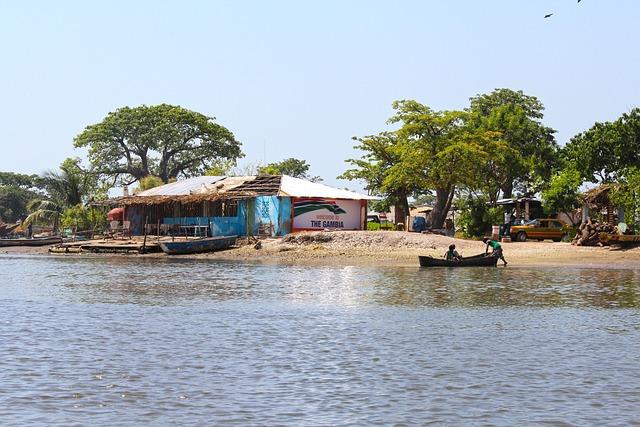
The Gambia’s Economy Maintains Growth Momentum Amid Global Uncertainty, Reports World Bank Group
In a climate of global economic unpredictability, The Gambia has emerged as a beacon of resilience, demonstrating a remarkable capacity for growth. A recent report from the world Bank Group highlights the nation’s robust economic performance, underscoring its ability to navigate external pressures and internal challenges alike. With sectors such as agriculture, tourism, and remittances driving development, The Gambia is not only weathering the storm of international economic fluctuations but is also laying the groundwork for sustainable future growth. As the country continues to invest in key infrastructure and human capital, it stands poised to capitalize on emerging opportunities, all while reaffirming its commitment to economic stability and diversification. This article delves into the key findings of the World Bank report, analyzing the factors behind The Gambia’s growth and examining what this means for its future in an uncertain global landscape.
The Resilience of The Gambia’s Economy in Challenging Times
Despite the backdrop of global economic challenges, The gambia has demonstrated a remarkable capacity for economic resilience. According to the latest report from the World Bank Group, key sectors such as agriculture and tourism have continued to thrive, fueling the nation’s growth momentum.this growth can be attributed to various factors, including:
- Increased agricultural productivity: Enhanced farming techniques and investments in irrigation have led to a boost in crop yields.
- Revitalization of the tourism sector: A strategic focus on sustainable tourism practices has attracted visitors, providing vital revenue.
- Government initiatives: Policies aimed at fostering economic stability and supporting small and medium enterprises have encouraged local entrepreneurship.
Furthermore, The Gambia’s strategic location and efforts to enhance regional trade ties are expected to bolster its economic landscape. The government’s commitment to improving infrastructure and reducing bureaucratic hurdles is paving the way for foreign investment, critical for maintaining growth. Specifically, the emphasis on:
- public-private partnerships: Collaborations with the private sector are driving innovation and creating jobs.
- Digital transformation: Increasing access to technology is facilitating e-commerce and expanding market access for Gambian products.
- Financial inclusion: initiatives aimed at increasing access to financial services are helping to empower local communities.
Analyzing Key Sectors Driving Growth and Development
the Gambia’s economy continues to display resilience, with several key sectors acting as pivotal engines of growth. Agriculture remains a cornerstone, contributing considerably to both employment and export revenues. The cultivation of cash crops,notably groundnuts and horticultural products,not only bolsters rural livelihoods but also attracts foreign investments aimed at modernizing agricultural practices. Additionally,the tourism sector is witnessing a revival,supported by ongoing efforts to enhance infrastructure and promote the country as a desirable destination for both leisure and business travelers. With a rich cultural heritage and beautiful coastal attractions, stakeholders are optimistic about tourism’s potential for driving sustainable economic development.
Furthermore, the financial services sector is emerging as an important player, aiming to improve access to banking and financial products for the underserved population.Initiatives to bolster digital banking and mobile money services are expanding financial inclusion and stimulating local entrepreneurship. The renewable energy sector is also gaining traction, with investments geared towards harnessing solar and wind resources, thus paving the way for a more sustainable energy future. Together, thes sectors not only strengthen economic resilience but also underscore the potential for innovative solutions amidst global uncertainties, positioning The Gambia as a dynamic participant in the regional economy.
Strategic Recommendations for Sustaining Economic Momentum
To ensure the continued growth of The Gambia’s economy in the face of mounting global uncertainties, policy makers need to adopt a multi-faceted approach that focuses on resilience and sustainability. Investing in infrastructure is paramount, as this will not only create jobs but also enhance connectivity and access to markets. Furthermore, diversifying the economy by promoting sectors such as agriculture, tourism, and digital technology can reduce dependency on a few key industries and improve overall economic stability.
Additionally,ther is a pressing need for strengthening fiscal policies and enhancing public financial management to ensure that resources are utilized efficiently and transparently. Encouraging private sector engagement through incentives and support programs will stimulate investment, fostering innovation and entrepreneurship. Collaborating with international partners to secure funding and technical assistance is also crucial, as it can provide the necessary tools and knowledge to navigate through uncertain global economic conditions.
Insights and Conclusions
The Gambia’s economic resilience amid global uncertainties underscores the nation’s potential for sustained growth. The World Bank Group’s latest findings reflect not only the adaptive strategies employed by the Gambian government but also the thriving sectors that continue to stimulate development. Despite challenges posed by external economic pressures, The Gambia is charting a path forward, characterized by optimism and strategic investments. As the nation navigates its economic landscape, the commitment to enhancing productivity and fostering an inclusive environment remains paramount. Stakeholders will be keenly watching how these developments unfold in the coming months, as The Gambia positions itself as a beacon of hope in the broader West African region.










