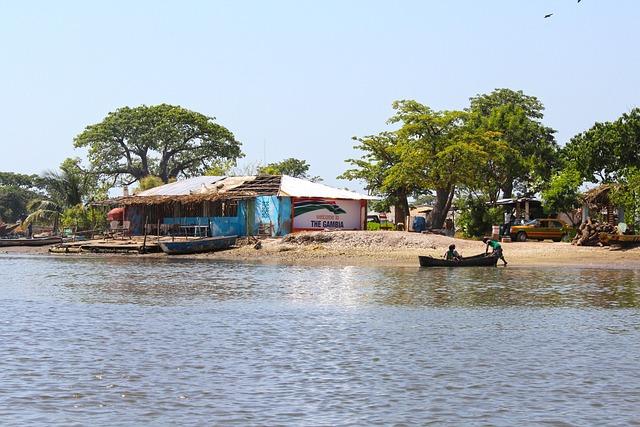
The Gambia: Strengthening Transport Sector Climate Resilience Amidst Growing Challenges
As climate change continues to pose unprecedented challenges worldwide, nations, particularly those with vulnerable economies, are compelled to adapt and build resilience across all sectors. The gambia,a small West African nation bordered by the Atlantic Ocean and enveloped by Senegal,is making strides in addressing the critical intersection of transportation and climate resilience. Highlighted in a recent report by the Global Center on Adaptation, the Gambian transport sector stands at a crossroads, facing threats from rising sea levels, extreme weather patterns, and infrastructural weaknesses. This article delves into the ongoing efforts to enhance climate resilience in The Gambia’s transport sector, examining both the obstacles and the innovative solutions being employed to ensure sustainable mobility for all Gambians. As the nation seeks to bolster its infrastructure while safeguarding the environment, its journey offers valuable insights for other countries navigating the complex terrain of climate adaptation.
Enhancing Infrastructure to Withstand Climate Impacts in The Gambia
The Gambia’s transport sector is under meaningful threat from the escalating impacts of climate change, necessitating urgent interventions to enhance its resilience. Infrastructure, including roads, bridges, and ports, faces increased risks from flooding, erosion, and extreme weather patterns. To address these vulnerabilities, a comprehensive strategy is essential, which includes:
- Investing in Climate-Resilient Infrastructure: Upgrading existing roads to withstand heavy rains and flooding through improved drainage systems and the use of durable materials.
- Implementing Green Transportation Solutions: Promoting sustainable transport options such as electric vehicles and non-motorized transport to lower emissions and reduce the strain on existing road networks.
- Strengthening Maintenance Practices: Establishing regular maintenance schedules that prioritize climate resilience to ensure infrastructure can cope with extreme conditions.
- Enhancing Disaster Preparedness: Developing emergency response plans that focus on transportation networks to ensure access during climate emergencies.
Furthermore, it is imperative that The Gambia collaborates with international partners to leverage funding and technical expertise for these projects. Government initiatives should also aim at raising public awareness about the importance of resilient transport infrastructure. Engaging local communities in these efforts will not only ensure better implementation of climate-adaptive measures but also foster a culture of resilience within the populace. By prioritizing these actions, The Gambia can considerably improve its capacity to navigate the challenges posed by climate change in the transport sector.
Promoting Sustainable Transport Solutions for a Resilient Future
The Gambia is at a pivotal moment in its journey toward enhancing its transport sector’s climate resilience. With increasing threats posed by climate change, the country is actively seeking innovative and sustainable transport solutions to safeguard its infrastructure and promote economic growth. By prioritizing eco-friendly transportation options, The Gambia aims to not only reduce carbon emissions but also improve public health and accessibility for its citizens. Key initiatives underway include:
- Investment in Public Transport: Expanding and modernizing public transit systems to lower reliance on private vehicles.
- Promotion of Non-Motorized Transport: Enhancing infrastructure for walking and cycling to encourage environmentally friendly commuting options.
- Integration of Renewable Energy: Implementing solar-powered transportation solutions to decrease dependency on fossil fuels.
- Climate-Responsive Infrastructure: Building roads and bridges designed to withstand extreme weather conditions and reducing vulnerability to flooding.
Moreover, engaging local communities in discussions around sustainable transport practices plays a vital role in this initiative. public awareness campaigns aim to inform citizens about the benefits of adopting greener modes of transport, fostering a cultural shift toward sustainability. Collaboration between government, non-governmental organizations, and international partners will be essential in crafting comprehensive policies and financing mechanisms to support these transformative efforts. The commitment to creating a resilient transport system stands as a testament to The Gambia’s resolve to adapt to climate challenges while promoting sustainable development.
Integrating Climate Adaptation Strategies into National Transport Policies
In The Gambia, the synthesis of climate adaptation strategies within national transport policies is not just an imperative, but a vital necessity. The nation is increasingly susceptible to the impacts of climate change, which threaten key infrastructural elements such as roads, bridges, and public transportation systems. to address these challenges, policymakers are urged to incorporate adaptation measures that bolster the resilience of the transport sector. This can include:
- Risk Assessment: Conduct thorough vulnerability assessments to identify transport infrastructure most at risk from climate impacts.
- Sustainable Planning: Integrate green infrastructure into transport development plans that account for potential flooding and erosion.
- Capacity Building: Train transport sector stakeholders on climate adaptation best practices and the use of climate-resilient materials.
- Community Engagement: Foster collaboration with local communities for inclusive decision-making in transport planning processes.
Moreover, leveraging innovative financing mechanisms is essential to support the incorporation of these strategies. By establishing a dedicated fund for climate-resilient transport projects, The Gambia can facilitate investments in upgrades and maintenance that prioritize sustainability. Strengthening regulatory frameworks to enforce climate adaptation compliance within transportation projects will further ensure that resilience remains a core component in all future developments. key actions may include:
- Policy Alignment: Synchronize national transport policies with broader climate adaptation frameworks at local and international levels.
- Public-Private Partnerships: Encourage collaboration between government entities and private sectors to drive innovative solutions.
- Monitoring and Evaluation: Establish clear metrics for assessing the effectiveness of adaptation measures over time.
Final Thoughts
the journey towards enhancing climate resilience within The Gambia’s transport sector is not just a matter of infrastructure enhancement but a holistic approach to sustainable development.As highlighted in the Global Center on Adaptation’s country brief,adaptation strategies,integrated planning,and community engagement will be crucial in addressing the challenges posed by climate change. With the Gambia facing rising sea levels, increased rainfall variability, and other climate impacts, prioritizing resilience in transportation is vital for ensuring economic stability, safeguarding livelihoods, and fostering environmental sustainability. The collaborative efforts among government, local communities, and international partners will be instrumental in building a robust transport system that can withstand the test of time and climate. as The Gambia navigates this critical transition, it sets a poignant example for other vulnerable nations, demonstrating the importance of proactive measures in the fight against climate adversity.