Gabon: The Rich Tapestry of Oil, Timber, and Mining
As one of Central Africa’s hidden gems, Gabon boasts an abundance of natural resources that underpin its economy and shape its identity. With vast reserves of oil, extensive timber forests, and significant mineral wealth, the nation has become a focal point for both regional development and international investment. As global demand for energy and raw materials continues to rise, Gabon stands at the crossroads of prospect and challenge, navigating the complexities of enduring resource management while striving to diversify its economy beyond extractive industries. This article delves into the intricate relationship between Gabon’s natural resources and its socio-economic landscape, exploring how the nation balances growth with conservation amidst an ever-changing global marketplace.
Exploring Gabon’s Oil Reserves and the future of Sustainable Energy
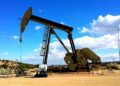
Gabon, a nation richly endowed with natural resources, boasts significant oil reserves that have long been a cornerstone of its economic development. The country is recognized as one of Africa’s leading oil producers, with offshore fields primarily concentrated along its coast. Key statistics highlight Gabon’s ranking as the third-largest oil producer in sub-Saharan Africa, and the sector contributes substantially to the national revenue. Though, as global energy dynamics shift and concerns about climate change intensify, Gabon’s reliance on oil is increasingly scrutinized. The government faces the dual challenge of maximizing current production while adapting to the principles of sustainable energy development.
as Gabon looks toward the future, the focus is gradually shifting from traditional fossil fuels to innovative, renewable energy sources. The government has initiated various policies aimed at diversifying the energy portfolio, including investments in solar and hydroelectric power.Potential avenues for growth in the renewable sector include:
- Development of solar farms in the sun-drenched regions
- Exploitation of Gabon’s abundant river systems for hydroelectric projects
- Research and implementation of bioenergy solutions derived from the forestry industry
These strategic moves could not only bolster Gabon’s energy independence but also align the country’s economic goals with global sustainability efforts, fostering an era where natural resource management prioritizes environmental integrity alongside economic viability.
Timber Industry Dynamics: Balancing Economic Growth and Environmental Conservation
The timber industry in Gabon plays a crucial role in the national economy, contributing substantially to employment and export revenues. As one of the richest countries in tropical timber resources, Gabon is positioned as a major player in the global market. With vast forests covering over 88% of its land, the country is home to a diverse range of tree species that are sought after for their quality and sustainability. However, the challenge lies in managing this resource responsibly while ensuring economic growth. Key players in the sector are increasingly adopting sustainable practices to mitigate the environmental impact, a move that not only preserves biodiversity but also aligns with international trading standards.
Balancing economic interests with environmental stewardship remains a delicate endeavor. The government has implemented various strategies to promote responsible forest management, including the establishment of protected areas and certification schemes aimed at sustainable logging practices. These initiatives include:
- Regulatory frameworks that prioritize ecological integrity
- incentives for sustainable practices among logging companies
- Community engagement to ensure local voices are heard in decision-making
As Gabon navigates these complexities, the sector’s evolution will be closely watched, with potential lessons for other nations grappling with similar dilemmas between resource exploitation and environmental conservation.
mining Opportunities in Gabon: Strategies for Responsible Resource Management
Gabon,rich in natural resources,presents a wealth of mining opportunities that can significantly contribute to the nation’s economic development.However, the implementation of responsible resource management strategies is crucial to ensure that these resources benefit local communities and protect the habitat. Key strategies include:
- Community Engagement: Involving local populations in mining projects to ensure their needs and concerns are addressed, fostering a sense of ownership and collaboration.
- Regulatory Framework: Establishing robust regulations that govern mining activities to promote transparency and accountability among companies operating in the sector.
- Sustainable Practices: Encouraging environmentally amiable mining techniques that minimize ecological disruption and promote rehabilitation of mining sites.
- Economic Diversification: Leveraging mining revenues to invest in other sectors like education and infrastructure, ensuring long-term benefits for the nation.
to optimize the advantages presented by mining in Gabon, it is essential for stakeholders, including the government, private sector, and civil society, to work together. This collaborative approach not only enhances investment attractiveness but also builds a framework that promotes equity and sustainability.Strengthening international partnerships focused on best practices in mining can provide Gabon with the necessary tools to advance not only its mining sector but also its overall socio-economic landscape.
Future Outlook
Gabon’s abundant natural resources have long been a cornerstone of its economy, with oil, timber, and mining at the forefront of its development. As the nation grapples with the challenges of balancing economic growth and environmental sustainability, the future of these sectors remains pivotal.Ongoing efforts to diversify the economy beyond its resource-dependent roots may hold the key to achieving long-term stability and prosperity.As Gabon navigates this complex landscape, the global community will be watching closely, eager to see how this central African nation harnesses its rich assets to forge a sustainable path forward. The interplay of resource management, economic strategy, and environmental stewardship will undoubtedly shape Gabon’s narrative in the coming years.