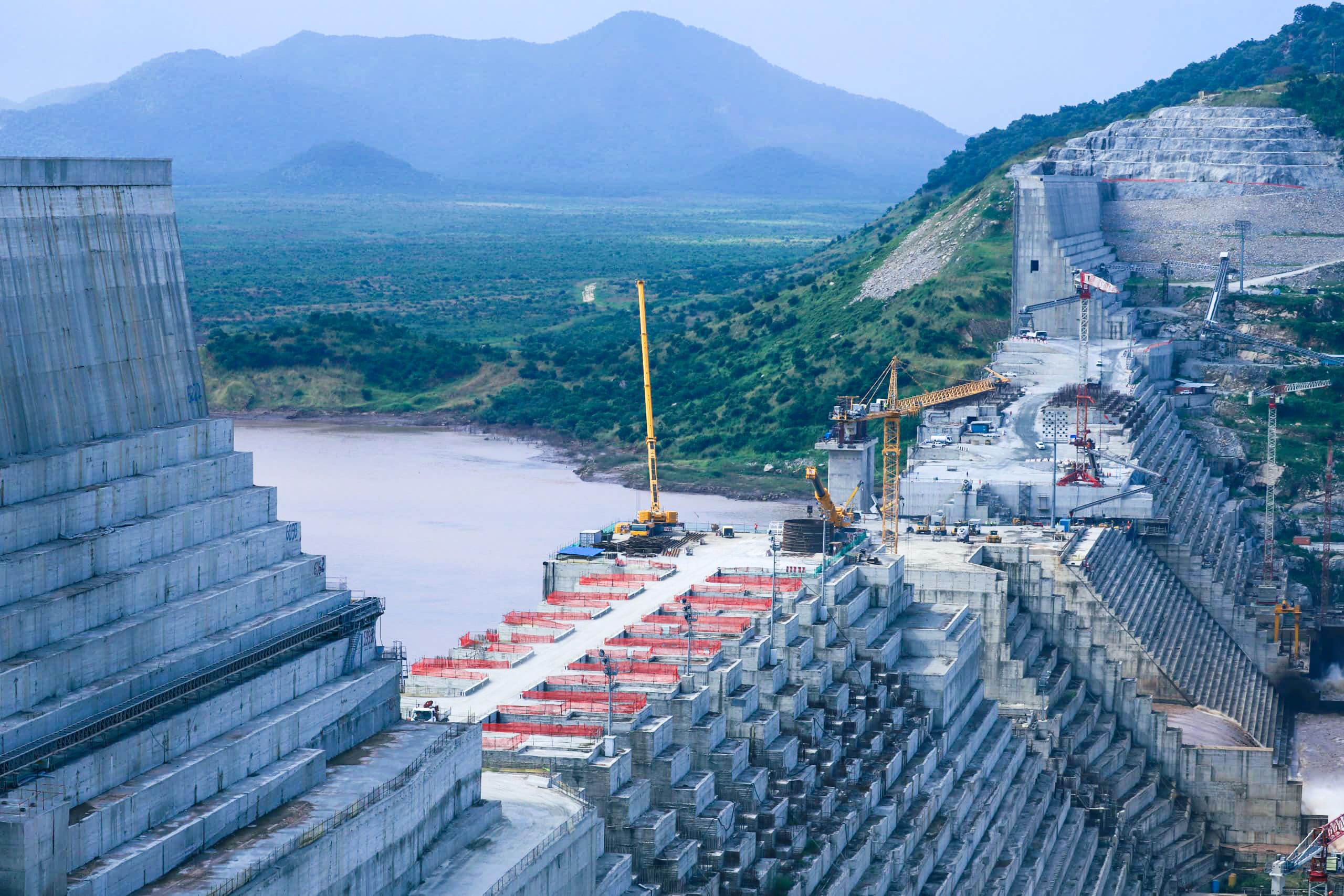
Title: Powering Progress: The Grand Ethiopian Renaissance Dam and Its Impact on Africa
In the heart of East Africa, along the banks of the Blue Nile, Ethiopia is transforming its energy landscape with the ambitious Grand Ethiopian Renaissance Dam (GERD). As the largest hydroelectric project on the continent, GERD promises not only to revolutionize Ethiopia’s energy production but also to spearhead a new era of regional cooperation and growth. This landmark endeavor has sparked both hope and controversy, raising crucial questions about water management, environmental sustainability, and geopolitical tensions among Nile Basin countries. In this article, we explore the complexities surrounding the construction of the dam, its economic implications for Ethiopia, and the broader impact it may have on Africa’s energy future.
Exploring the Grand Renaissance Dam’s Impact on Ethiopia’s Energy Future
The Grand Renaissance Dam (GERD) stands as a monumental achievement in Ethiopia’s quest for energy independence and economic growth. With the potential to generate over 6,000 megawatts of electricity, the dam is poised to transform Ethiopia into a regional powerhouse, benefiting not only its economy but also the wider East African region. By harnessing the waters of the Blue Nile, Ethiopia aims to meet the growing energy demands of its population, reduce reliance on fossil fuels, and provide affordable electricity to millions. This energy revolution is crucial for driving industrialization, improving healthcare, and enhancing educational opportunities across the country.
Though, the dam has also sparked significant regional tensions, particularly with downstream countries like Sudan and Egypt that rely on the Nile’s waters. These nations express concerns over potential reductions in water flow, which could impact their agricultural sectors and water security. The Ethiopian government insists that the GERD will not cause harm, asserting that it has initiated diplomatic dialogues to address such grievances and promote cooperative water management strategies.To foster mutual understanding, a collaborative framework that emphasizes sustainable use, environmental conservation, and infrastructure investment will be essential in ensuring that the benefits of the dam extend beyond Ethiopia’s borders.
Environmental Considerations and Regional Tensions Surrounding the GERD Project
The Grand Ethiopian Renaissance Dam (GERD) has sparked significant environmental concerns that extend beyond Ethiopia’s borders. Detractors argue that the dam’s construction could lead to notable changes in river flow and sediment transport, perhaps impacting ecosystems downstream. Sudan and Egypt,the two nations most affected,fear that alterations in the Nile’s water levels could threaten agricultural security and water availability. These considerations have led to calls for rigorous environmental assessments and international cooperation to mitigate any adverse effects on biodiversity and local communities.
In addition to environmental issues, the GERD project has intensified regional tensions in the Horn of Africa. While Ethiopia views the dam as a path to energy independence and economic growth, neighboring countries have voiced their apprehension regarding potential water scarcity. The multiparty negotiations have often been contentious,reflecting deeper geopolitical stakes,such as control over water resources and national sovereignty.Key points of contention include:
- Water Rights: Disagreements over historic usage rights of the Nile.
- Hydropower Benefits: Conflicts over the equitable sharing of the dam’s energy output.
- Diplomatic Engagement: The need for more inclusive frameworks to resolve disputes.
| Country | Position on GERD |
|---|---|
| Ethiopia | Supportive, sees it as a key development project |
| Egypt | Opposed, worried about water supply security |
| Sudan | Concerned, seeks guarantees for water levels |
Strategies for Collaborative Water Management in the Nile Basin
Effective collaborative water management in the Nile Basin is crucial, especially in the wake of large-scale projects like the Grand Ethiopian Renaissance Dam (GERD). This complex challenge requires the integration of various stakeholders-including Ethiopia, Sudan, and Egypt-through diplomatic engagement and constructive dialog. Establishing regional frameworks that encourage shared data and resource allocation can definitely help alleviate tensions. Key strategies involve:
- Joint Monitoring Systems: Implement real-time data sharing mechanisms to track water levels and usage.
- Equitable Water Allocation: Develop agreements that ensure fair distribution based on each nation’s needs and capabilities.
- Conflict Resolution Mechanisms: Create established platforms for mediation to resolve disputes amicably.
Moreover, fostering community-level initiatives can promote grassroots involvement in managing water resources sustainably. Encouraging public participation and raising awareness about conservation can enhance cooperation among communities along the river. Initiatives like:
- Local Water Committees: Empower communities to manage their water resources effectively.
- School Education Programs: Educate the younger generation on the importance of water conservation and sustainable practices.
- Joint Environmental Projects: Collaborate on projects that improve the overall health of the Nile Basin ecosystem.
Final Thoughts
As Ethiopia gears up for a new era of energy production with the completion of the Grand Ethiopian Renaissance Dam (GERD), the implications extend far beyond its borders. This ambitious project, touted as Africa’s largest hydroelectric dam, symbolizes not only Ethiopia’s aspirations for economic development and energy independence but also highlights the complexities of regional relationships, particularly concerning water sharing with downstream nations. As stakeholders engage in ongoing dialogues,the impact of GERD on local communities and the environment remains a pivotal consideration. The dam’s inauguration could indeed serve as a catalyst for transformative change in the Horn of Africa, ushering in a new chapter in Ethiopia’s quest for sustainability and growth.As the nation moves forward, the world watches closely to see how this monumental undertaking will shape both the present and future of Ethiopia and its neighboring countries.