

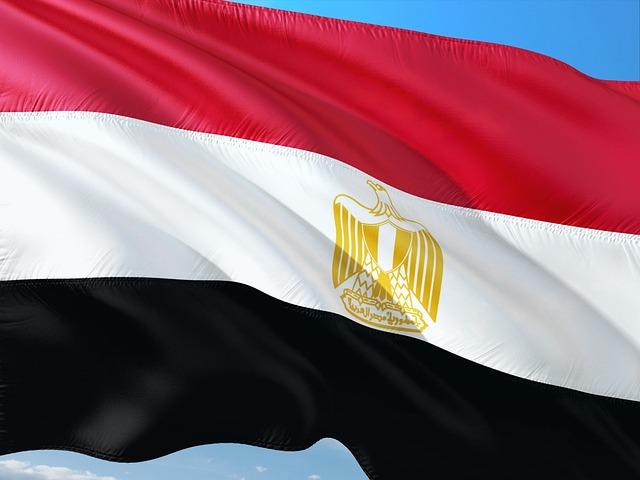
In the wake of the Grand Ethiopian Renaissance Dam (GERD) controversy,the geopolitical landscape surrounding the Nile River is more complex than ever. As tensions have escalated between Ethiopia, Sudan, and Egypt over water rights and resource management, the focus now shifts to the future of dam construction along the Nile. This article explores whether Egypt, historically a significant player in the region, can exert influence over ethiopia’s plans for additional dams. With both countries navigating a delicate balance of power and international relations, the implications of this dynamic extend far beyond national borders, affecting millions who rely on the Nile for their livelihoods. As discussions evolve, the question looms large: can Egypt shape the trajectory of Ethiopia’s water infrastructure advancement amid ongoing disputes?
Egypt’s Strategic Position in Nile River Diplomacy After GERD
In the wake of the Grand Ethiopian Renaissance Dam (GERD) dispute, Egypt’s role in Nile River diplomacy has entered a decisive phase characterized by both challenges and opportunities. The shifting geopolitical landscape necessitates that Egypt reassesses its diplomatic strategies to effectively contend with Ethiopia’s aspirations for additional dam projects on the Blue Nile. The Egyptian government is poised to leverage its historical ties with downstream nations and engage with international stakeholders to fortify its interests. Key aspects of this strategy could include:
- Strengthening alliances: By enhancing diplomatic relations with countries like Sudan and South Sudan, Egypt aims to create a unified front against unilateral dam constructions by Ethiopia.
- International advocacy: Egypt is highly likely to engage with global forums and institutions, seeking mediation and support to safeguard its water rights.
- Technical collaboration: Establishing channels of cooperation with experts and institutions can help Egypt better understand the ecological and hydrological impacts of new Ethiopian dams.
Moreover, as Ethiopia pushes forward with its hydropower ambitions, the role of international law and historic agreements will come under scrutiny. The 2015 Declaration of Principles, which sought to guide the GERD negotiations, may serve as a basis for future dialogues but is increasingly seen as insufficient in addressing the complex dynamics at play. Egypt’s need for a sustainable diplomatic solution means it must balance assertive negotiation tactics with the potential for cooperative frameworks.To influence Ethiopia’s future projects effectively, Egypt could consider:
- Encouraging transparency: Advocating for open data sharing related to dam water management and infrastructure impacts.
- Joint development strategies: Proposing collaborative projects that benefit both nations, such as water conservation initiatives.
- Regional capacity building: Investing in projects that enhance the Nile basin governance structure to promote equitable resource sharing.
Assessing the Potential Impact of New Ethiopian Dams on Regional Water Security
The ongoing negotiations surrounding the Grand Ethiopian Renaissance Dam (GERD) have heightened concerns about the future of water security in the Nile Basin, particularly for Egypt and Sudan.As Ethiopia embarks on plans for additional dams, the potential implications for the regional water dynamics are significant. A careful examination of these future projects is essential, as they could exacerbate existing tensions over water rights and distribution. Water scarcity is already a pressing issue for Egypt, where the Nile constitutes around 90% of the country’s freshwater supply. The prospect of more Ethiopian dams could lead to a reduction in the annual flow of the river, prompting fears of diminished agricultural yields and increased reliance on alternatives for water access.
Egypt’s strategic response will likely revolve around diplomatic channels and regional partnerships to mitigate the consequences of Ethiopia’s enterprising hydrological projects. Key actions may include:
- Strengthening alliances with Sudan and other Nile Basin countries
- Engaging in international forums to advocate for water-sharing treaties
- Investing in water conservation technologies and adaptive agricultural practices
- Lobbying for expert mediation from third-party nations to foster dialog with Ethiopia
Through these measures, Egypt aims to safeguard its water interests and establish a framework that promotes equitable resource management amid the shifting landscape of the Nile’s waters. Taking proactive steps now could prove crucial in maintaining regional stability and preventing escalation into conflict over shared water resources.
Collaborative Solutions for Sustainable Nile Management: A Path Forward for Egypt and Ethiopia
As the dust settles on the negotiations surrounding the Grand Ethiopian Renaissance Dam (GERD), the focus shifts towards a future defined by collaborative approaches for water resource management in the Nile Basin. Egypt, with its rich history of engaging with regional partners, is uniquely positioned to advocate for sustainable practices that benefit all stakeholders. By fostering dialogue and promoting shared interests, both nations can pave the way for responsible development of Ethiopia’s proposed dam projects. Key strategies include:
- Joint Analysis and Planning: Conducting shared assessments of environmental impacts and water availability to inform comprehensive management strategies.
- Inclusive decision-Making: Establishing forums where stakeholders from both countries can voice concerns, ensuring that developments do not disproportionately affect Egypt’s water security.
- Technological Collaboration: investing in innovative technologies for water conservation and efficiency that can mitigate the impacts of new dams.
Egypt’s proactive engagement could serve as a catalyst for legitimacy and transparency in Ethiopia’s infrastructure projects. By fostering a spirit of cooperation, both nations can explore water-sharing agreements that take into account fluctuating climate patterns and population growth. Initiatives such as:
- Transboundary Water Management Programs: Implementing frameworks that prioritize equitable water distribution.
- Capacity-Building Workshops: Equipping stakeholders with tools and knowledge for effective resource management.
- Research Partnerships: Collaborating on studies related to hydrology and climate impacts to adapt to ongoing changes.
To Conclude
as Egypt navigates the complex aftermath of the Grand Ethiopian Renaissance Dam (GERD) situation, its influence on Ethiopia’s future dam projects remains uncertain yet pivotal. The strained diplomatic ties between the two nations, exacerbated by concerns over water security and regional stability, will inevitably shape the discourse surrounding Ethiopia’s hydropower ambitions. The Nile, a lifeline for both countries, is at the center of a broader regional struggle for resources, making it crucial for both Egypt and Ethiopia to engage in constructive dialogue. As the implications of GERD continue to unfold, the actions and stances taken by Egypt could either foster cooperation or further entrench tensions in the nile Basin. Ongoing monitoring of this dynamic relationship is essential, as the outcomes will have lasting effects on the socio-economic landscapes of both nations and their shared water resource. The future of the Nile and its dams rests not only on the decisions made today but also on the commitment to collaborative governance in the region.










