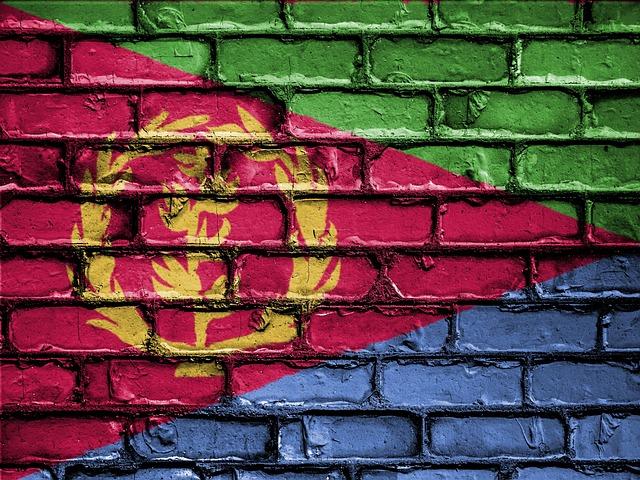
In a meaningful escalation of tensions between neighboring nations, Eritrea has officially severed diplomatic relations with Ethiopia following the closure of its embassy in Asmara. The decision, reported by Reuters, marks a pivotal moment in the complex and frequently enough fraught relationship between the two countries, which have a history marked by conflict and fragile peace. the closure of the eritrean embassy, which has heightened security and political concerns in the region, has prompted Eritrean officials to announce the withdrawal of their diplomatic presence in Ethiopia, setting the stage for a potential crisis. As both nations navigate this delicate situation, the international community watches closely, aware that the ramifications could extend beyond their borders and impact the stability of the Horn of Africa.
Eritrea-Ethiopia Relations deteriorate Following Asmara Embassy Closure
Relations between Eritrea and Ethiopia have plunged into disarray following the recent closure of the Eritrean embassy in Addis Ababa. the Eritrean government has formally announced the severance of diplomatic ties, citing concerns over the safety and operations of its diplomatic mission and accusing the Ethiopian government of failing to protect its interests. this diplomatic rift is grounded in a series of escalating tensions that have simmered since the 2018 peace agreement that ended a long-standing conflict between the two nations.
In response to the embassy closure, Eritrea has taken a number of decisive actions, including:
- Recall of Eritrean diplomats stationed in Ethiopia.
- Issuance of a public statement condemning Ethiopia’s handling of the diplomatic situation.
- Increased military readiness along their shared border as a precautionary measure.
Observers are expressing concern that these developments could destabilize the fragile peace established in recent years, potentially reigniting hostilities between the two countries. Regional analysts warn that the implications of this breakdown could extend beyond Eritrea and Ethiopia,affecting diplomatic relations and security across the Horn of africa.
Implications for Regional Stability and Economic Cooperation in the Horn of Africa
The recent decision by Eritrea to sever diplomatic ties with Ethiopia, following the controversial closure of its embassy in Asmara, raises serious questions about the prospects for stability in the Horn of Africa. This advancement not only risks igniting past tensions between the two nations, but also threatens to undermine the fragile peace that has characterized their relationship as the cessation of hostilities in 2018. With ancient grievances still simmering beneath the surface, the implications for regional stability are profound. Analysts warn that the breakdown in relations could spill over into renewed conflict, destabilizing an already volatile region that faces numerous challenges, including armed insurgencies and socio-economic strife.
In this increasingly tense environment, the potential for economic cooperation also hangs in the balance. The closure of the Eritrean embassy not only signifies a diplomatic rupture but may also impede efforts at fostering cross-border trade and collaborative governance initiatives. Key considerations include:
- Implementation of infrastructure projects aimed at enhancing connectivity.
- Status of joint economic ventures, especially those involving shared resources like the Red Sea ports.
- Impact on regional partnerships, including those with neighboring countries and international stakeholders.
As both nations grapple with the implications of this diplomatic breakdown, it becomes crucial for regional actors to mediate and advocate for renewed dialog, ensuring that economic integration and stability do not remain collateral damage in the ongoing geopolitical tussle.
Strategic recommendations for Diplomatic Re-engagement and Peacebuilding initiatives
In light of Eritrea’s recent decision to sever diplomatic ties with Ethiopia, it is indeed crucial to pivot towards a enduring framework for reconciliation and cooperation. Key strategic recommendations for diplomatic re-engagement involve fostering dialogue through multilateral platforms and initiating confidence-building measures. Engagement through international organizations can serve as a neutral ground,allowing both nations to address grievances in a structured manner. Additionally, creating joint economic initiatives that benefit both countries could serve as a catalyst for peace, enhancing interdependence and reducing hostilities.
Moreover, empowering grassroots peacebuilding initiatives can play a significant role in bridging divides. Community-driven programs that promote cultural exchange and shared narratives can help to humanize the “other” and dispel misinformation. Encouraging civil society involvement ensures that the voices of citizens are heard, fostering a sense of ownership in the peace process. By prioritizing dialogue, economic collaboration, and local engagement, Eritrea and Ethiopia can lay the groundwork for a more stable and mutually beneficial future, moving beyond the current impasse.
The Conclusion
Eritrea’s decision to sever ties with Ethiopia following the closure of its embassy in Asmara marks a significant escalation in the already strained relations between the two nations. The diplomatic rift underscores rising tensions that could impact regional stability in the Horn of Africa. As both countries navigate this evolving situation, the international community will be closely watching for further developments. Analysts warn that this breakdown could have far-reaching implications, not only for Eritrea and Ethiopia but also for the broader geopolitical landscape in the region. continued dialogue and diplomatic engagement will be crucial to prevent further deterioration and to foster a peaceful resolution to this latest chapter in their complex relationship.