

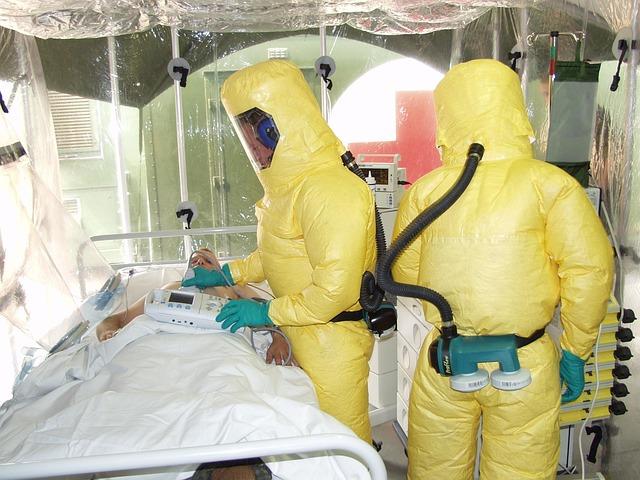
In a disturbing turn of events amid the ongoing Ebola outbreak in the Democratic Republic of Congo,healthcare workers have staged a strike over unpaid salaries,further complicating an already dire public health crisis. The strike,which has seen medics walking off the job,highlights the growing frustrations within the medical community as they grapple with the dual challenges of caring for a population at risk and facing financial instability. As the outbreak worsens, the strike raises urgent questions about the capacity of the health system to respond effectively to one of the world’s moast persistent viral threats, leaving vulnerable communities in a precarious situation. The situation has drawn attention not only to the immediate health implications but also to the broader issues of government accountability and the urgent need for sustainable funding in healthcare.
DR Congo Ebola Medics Demand Justice as Salary Disputes Compromise Response Efforts
Healthcare workers in the Democratic Republic of Congo are voicing their frustrations as ongoing salary disputes have left many medics without the compensation they desperately need.As the nation grapples with a rising Ebola outbreak, these frontline responders are demanding justice not only for their livelihoods but also for the integrity of the medical response. Medics have reported delays in salary payments that have stretched for months, undermining their ability to perform critical tasks in the fight against this deadly virus.The situation has reached a tipping point,leading to strikes that could further compromise efforts to contain the outbreak.
Amidst these calls for justice, activists emphasize the perilous implications of the ongoing labor dispute.The absence of properly compensated medical staff threatens to exacerbate an already dire public health crisis. Key points of contention include:
- Delayed payments that hinder medics’ ability to sustain their families.
- Staff shortages, as many are unable to continue working under current conditions.
- Diminished morale among healthcare workers, impacting their performance and patient care.
As negotiations unfold, the urgency for a resolution grows.The specialized training and commitment of these workers are vital for effectively managing the Ebola outbreak, and their demands for fair wages cannot be overlooked in this critical time.
Worsening Ebola Outbreak Exposes Healthcare System Strain and Urgent Need for Support
The ongoing Ebola outbreak in the Democratic Republic of the Congo has thrust the nation’s healthcare system into a critical emergency, with disease control efforts hampered by a workforce strike over unpaid salaries. Medical personnel, who are on the frontlines battling the deadly virus, have halted their services, citing months without compensation. This action underscores the immense strain that healthcare workers are enduring, exacerbated by inadequate funding and resources amidst an escalating health crisis. The timing of the strike is especially concerning as cases of Ebola continue to rise, pushing the healthcare system to its limits.
Healthcare professionals have expressed their frustration through a series of public demonstrations, highlighting the dire need for effective governmental intervention. Key issues at the forefront now include:
- Delayed payments: Workers report that salaries have not been paid for several months, causing financial distress.
- Occupational hazards: Those working in Ebola treatment units operate under extreme conditions with minimal protective gear and inadequate support.
- Public health implications: The strike endangers efforts to contain the outbreak, risking further spread of the virus to vulnerable populations.
As tensions rise, stakeholders in the healthcare sector are urging both national and international bodies to address the financial woes of healthcare workers. If not resolved promptly, the dual crises of an escalating Ebola outbreak and labor unrest could lead to a catastrophic public health scenario.Immediate and robust support is vital to restore confidence among healthcare providers and ensure the safety and health of communities at risk.
Recommendations for sustainable Solutions to Prevent Future Healthcare Worker Strikes
In light of the recent healthcare worker strike amid the escalating ebola outbreak in the DR Congo, it is imperative to address the underlying issues contributing to such conflicts. One effective approach would be to establish a clear payment system that ensures timely salary disbursements, reducing the financial strains that lead to strikes. Furthermore, fostering open interaction between healthcare workers and the government can enhance trust and enable healthcare professionals to express their concerns before they escalate to the point of action. Consistent dialogue can also help in developing extensive contingency plans tailored to address pay and working conditions.
Additionally, investing in the long-term sustainability of healthcare infrastructure is crucial. Implementing training programs that empower healthcare workers with skills to manage outbreaks more effectively can have profound benefits. A focus on mental health resources for frontline workers can also mitigate burnout and dissatisfaction, promoting resilience during crises. Utilizing a collaborative approach that includes government agencies, NGOs, and the medical community can help create a more cohesive strategy. By prioritizing these solutions, it becomes possible to not only avert strikes but also enhance the overall effectiveness of the healthcare response in regions prone to outbreaks.
In Conclusion
the ongoing strike by healthcare workers in the Democratic Republic of the congo amidst a worsening Ebola outbreak highlights the precarious situation facing the nation’s medical infrastructure. With medics walking off the job in protest of unpaid salaries, the implications for patient care and public health are dire. As the country grapples with this deadly virus, it remains crucial for authorities to address the longstanding grievances of healthcare workers to ensure that those on the front lines are supported in their mission to save lives.Without immediate action, the dual crises of an outbreak and strike threaten to spiral further out of control, putting countless lives at risk. As the situation develops, the attention of the international community is also required to assist in overcoming these challenges and restoring vital healthcare services in the region.










