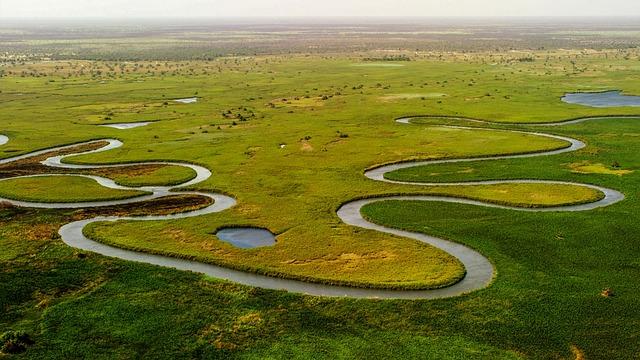
Botswana: From Dusty Bowl to Sparkling Success Story
In the heart of Southern africa lies Botswana, a nation that has transformed itself from a land characterized by harsh deserts and limited resources into a beacon of stability and economic success. Once viewed as a dusty bowl wiht few prospects, Botswana has emerged as one of Africa’s most vibrant democracies and a model for sustainable development.With a burgeoning economy fueled by diamond mining, tourism, and prudent governance, the country has not only improved the lives of its citizens but has also become an example for others facing similar challenges. This article delves into Botswana’s remarkable journey, exploring the factors that have contributed to its rise and the lessons that can be drawn from its experience. As the world watches, Botswana stands as a testament to resilience, innovation, and the power of strategic leadership in the quest for prosperity.
Botswana’s Economic Transformation: Key Factors Behind the Success
Botswana’s remarkable economic turnaround over the past few decades has been a subject of global admiration. Central to this transformation has been the sustainable management of diamond resources. the discovery of diamonds in the 1970s positioned Botswana as one of the world’s leading diamond producers, allowing the government to effectively harness revenues for national development. This wealth was not solely funneled into immediate consumption; instead, it was invested in long-term infrastructural projects and social programs that laid the groundwork for a diversified economy.
Another critical factor in Botswana’s success story is its commitment to democratic governance and stability.Since gaining independence in 1966, the country has maintained a steady political landscape with transparent institutions that promote accountability. This political stability has attracted foreign investments, particularly in the mining and tourism sectors, further bolstering economic growth. Additionally, the government’s proactive policies supporting education and healthcare ensure a skilled workforce, enabling citizens to partake in and benefit from the economic advances experienced over the years.
Sustainable Development Strategies: Lessons from botswana’s journey
Botswana, once known for its arid landscape and economic challenges, has undergone a remarkable transformation into one of Africa’s most prosperous economies. This journey was not just a stroke of luck but a result of well-thought-out strategies aimed at sustainable development. Key lessons can be extracted from Botswana’s approach, demonstrating the importance of sound governance and policy implementation.Effective leadership, characterized by a stable political environment, has been basic in fostering economic growth. The government’s commitment to prioritizing education and healthcare has equipped its citizens with the necessary skills to participate in a diversifying economy. Furthermore, the establishment of transparent institutions has promoted accountability, enhancing public trust and investor confidence.
Another critical aspect of Botswana’s success lies in the management of its natural resources, particularly diamonds. The country has implemented sustainable practices that ensure long-term benefit from its mineral wealth while investing in infrastructure and small to medium enterprises. This diversification of the economy has not only increased resilience against external shocks but has also contributed to meaningful employment opportunities. additionally, community participation in resource management has empowered local populations, ensuring that development efforts are inclusive and equitable. Through these strategies, Botswana has emerged as a model for sustainable development in Africa, proving that with the right frameworks in place, even the most challenging environments can yield fruitful results.
Empowering Local Communities: Recommendations for Future Growth
As Botswana continues its remarkable transformation, local communities must play a pivotal role in ensuring sustainable growth and development. A collaborative approach can be instrumental in leveraging local resources, fostering resilience, and promoting socio-economic empowerment. to facilitate this, stakeholders should consider the following strategies:
- Investing in Education and Skills Development: Focus on enhancing educational facilities and vocational training programs to equip individuals with essential skills that meet market demands.
- Encouraging Local Entrepreneurship: Implement initiatives to support startups and small businesses, providing access to funding, mentorship, and resources to stimulate innovation.
- Promoting Sustainable Practices: encourage local communities to adopt environmentally friendly practices in agriculture and industry to safeguard natural resources for future generations.
- Enhancing Infrastructure Access: Improve transportation and dialog networks to better connect communities to markets, healthcare, and educational opportunities.
Empowering local communities is not just beneficial for immediate economic advantages; it engenders a sense of ownership and pride that can drive long-term development. By fostering inclusive policies tailored to the unique needs of various regions, the government and private sector can work hand in hand to ensure that growth is equitable and far-reaching. this paradigm of shared prosperity includes:
- Strengthening Community Governance: Encourage participatory governance where local voices are heard and influence decision-making processes.
- Collaborating with Non-Governmental Organizations: Partner with ngos to implement community-centric programs that address specific socio-economic issues effectively.
- Utilizing Technology for Development: Leverage technology to enhance agricultural productivity, health services, and educational outreach, bridging gaps between urban and rural areas.
- Building Resilience Against Climate Change: Invest in projects aimed at mitigating the impacts of climate change, ensuring that communities can adapt and thrive in the face of environmental challenges.
The Way Forward
Botswana’s journey from a land characterized by arid landscapes and economic challenges to a beacon of hope and progress in Africa underscores the power of governance, resource management, and resilience. With its steadfast commitment to democratic principles and prudent economic strategies, Botswana has not only uplifted its citizens but also set a benchmark for developmental success on the continent. As the world closely watches this transformation, one question remains: what lessons can other nations draw from Botswana’s remarkable story? The answer may well shape the future of development across Africa and beyond. As the dust settles, Botswana stands ready to shine even brighter on the global stage.