

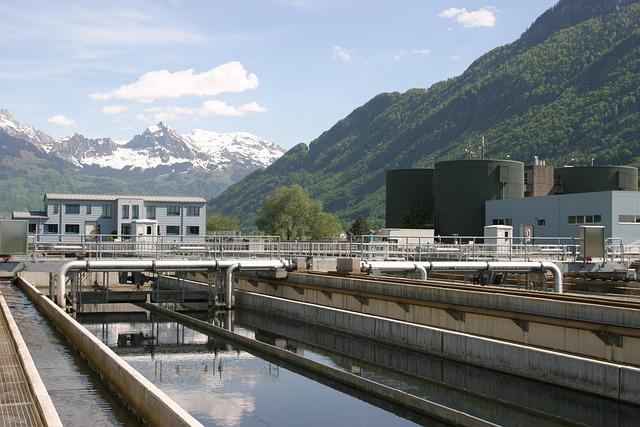
wastewater Plants in South Africa May Be Spreading Antibiotic Resistance
In a troubling revelation that could have far-reaching implications for public health, recent studies suggest that wastewater treatment plants in South Africa may be contributing to the rise of antibiotic-resistant bacteria. As urban populations grow and industrial activities intensify, the management of wastewater has become increasingly critical. However, the presence of antibiotic residues and resistant microorganisms in treated effluents poses a important challenge, raising concerns about environmental and human health risks. Experts warn that inadequate treatment processes in these facilities could facilitate the spread of resistance genes into local ecosystems, endangering both community health and the effectiveness of existing antibiotics. This article delves into the findings of recent research, exploring the potential consequences of wastewater management practices in South Africa and the urgent need for enhanced regulatory frameworks and technological innovations in the fight against antibiotic resistance.
Antibiotic Resistance Concerns Rise Amidst Wastewater Management in South Africa
Recent studies have shed light on the alarming rise in antibiotic resistance linked to wastewater management practices across South africa. Wastewater treatment plants, while essential for public health and environmental sustainability, are increasingly becoming breeding grounds for resistant bacteria. the presence of various antibiotics and pathogens in wastewater effluents poses a direct threat to both human health and biodiversity. Experts warn that without rigorous monitoring and enhancement of treatment processes, the uncontrolled discharge of treated effluent may lead to the dissemination of resistant strains into local water bodies, with far-reaching implications.
Key factors contributing to this crisis include:
- Inadequate Treatment methods: Many facilities are not equipped to fully remove antibiotic residues from wastewater.
- Overuse of Antibiotics: The misuse of antibiotics in agriculture and human health exacerbates the problem, leading to increased contamination in waste systems.
- Lack of Regulation: Insufficient oversight and monitoring of wastewater quality further complicate the situation.
Addressing these issues requires a multi-faceted approach involving enhanced treatment technology, greater public awareness, and stringent regulations. Collaborative efforts among government agencies, healthcare providers, and the agricultural sector are critical to mitigate the risks associated with antibiotic resistance entering the habitat through wastewater systems.
Impact of Contaminated Wastewater on Public Health and Ecosystems
The presence of contaminated wastewater poses a significant threat to public health, with the potential to spread antibiotic-resistant bacteria throughout communities. In South africa, where wastewater treatment plants are often overwhelmed, the discharge of inadequately treated effluent can lead to the unintended exposure of humans to harmful pathogens. This situation heightens the risk of infections that are difficult to treat, thereby compounding the challenges faced by healthcare systems already burdened by high rates of illness. Individuals in close proximity to these contaminated waters, especially those in vulnerable populations, face increased risks including:
- Waterborne diseases: Contaminated water can transmit pathogens leading to diseases like cholera and gastroenteritis.
- Antibiotic resistance: The proliferation of resistant bacteria can result from the improper disposal of pharmaceuticals and agricultural runoff, further complicating treatment options.
- Impact on mental health: The stress of living near contaminated sites can lead to psychological implications for affected communities.
Moreover, the ecological impact of untreated wastewater extends beyond human health, disrupting local ecosystems and biodiversity. Aquatic life exposed to toxic substances and elevated levels of antibiotics may experience alterations in reproductive patterns and survival rates, leading to a decline in species populations. Essential ecological functions, such as nutrient cycling and habitat provision, are at risk, wich can ultimately create a cascade of negative effects within the food web. Key concerns include:
- Ecosystem stability: Disruptions in population dynamics can jeopardize the balance of local ecosystems.
- Loss of biodiversity: Continuous exposure to pollutants can threaten the survival of local flora and fauna.
- Water quality degradation: Contaminated waterways can lead to eutrophication,resulting in dead zones where aquatic life cannot thrive.
Strategic Recommendations for Enhancing Wastewater Treatment Practices to combat Resistance
The challenge of antibiotic resistance spread through wastewater effluents necessitates strategic interventions at various levels. To combat this growing threat, facilities should adopt advanced treatment technologies such as membrane bioreactors (MBRs) and ultraviolet (UV) disinfection, which have shown efficacy in removing pathogens and antibiotic residues. Additionally, integrating real-time monitoring systems can enhance the operational efficiency of treatment processes, allowing for timely adjustments based on the contaminant load and concentration of resistant pathogens.Continued training and capacity building for wastewater treatment personnel on best practices in managing antibiotic residues is also crucial in ensuring sustained effectiveness.
Moreover, fostering collaborative efforts between wastewater treatment plants, healthcare facilities, and agricultural sectors can facilitate a holistic approach to tackling antibiotic resistance.Establishing public awareness campaigns to educate communities about the implications of antibiotic misuse and wastewater management can promote better practices at the source. Furthermore, implementing regulatory frameworks that mandate regular testing for antibiotic-resistant bacteria in wastewater can create an accountability mechanism, driving continuous improvements in treatment standards. These combined efforts can not only mitigate the transmission of resistance but also bolster public health initiatives across South Africa.
Closing Remarks
the findings surrounding wastewater treatment plants in South Africa raise significant concerns regarding public health and environmental safety. As antibiotic resistance continues to escalate globally, the potential role of these facilities in amplifying resistant pathogens cannot be overlooked. Ensuring effective wastewater management and implementing rigorous monitoring protocols might potentially be essential steps in addressing this pressing issue. With the health of both communities and ecosystems at stake, it is imperative that stakeholders-from government authorities to environmental agencies-collaborate to mitigate these risks. This situation calls for urgent action and further research to safeguard the well-being of the population and preserve the integrity of South Africa’s natural resources. The conversation around antibiotic resistance is critical, and it is a challenge that must be faced head-on to secure a healthier future for all.










