

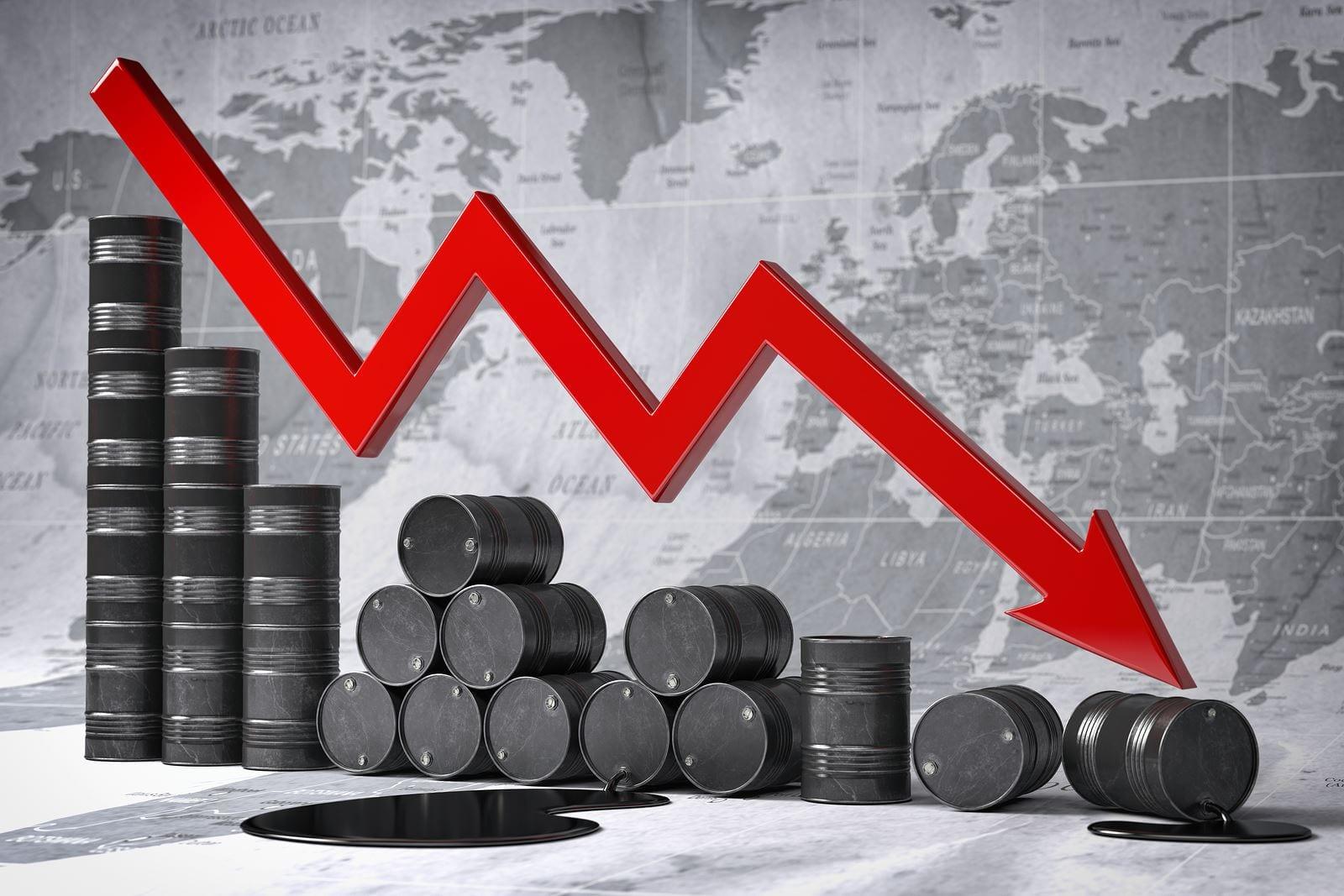
In a stark warning for two of Africa’s largest oil producers, Bank of America (BofA) has raised concerns over the potential economic ramifications of declining oil prices for Nigeria adn Angola. As global markets grapple with fluctuating demand and geopolitical uncertainties, the bank’s analysis highlights the vulnerabilities faced by these West African nations, whose economies heavily rely on oil exports. The impact of lower oil prices could reverberate through various sectors, exacerbating fiscal challenges and threatening growth trajectories. This article delves into the implications of these warnings and explores how Nigeria and Angola are strategizing to navigate an increasingly volatile oil market.
Impact of Declining oil Prices on Nigeria’s Economic Stability
The decline in oil prices is a notable concern for Nigeria,given that oil revenue is critical to the national economy. The Nigerian government heavily depends on this sector for funding public expenditures,infrastructure development,and essential services. As prices fall,the immediate effect is a contraction in government revenue,which can lead to budget deficits and a slowdown in efforts to diversify the economy. The implications are broad, affecting everything from employment rates to social stability, as diminishing oil profits could trigger cuts in public sector wages and social programs vital for the nigerian populace.
Moreover, the ripple effects of falling oil prices have the potential to deter foreign direct investment (FDI), which Nigeria relies on to stimulate economic growth. investors may hesitate to commit resources in a country grappling with reduced oil income, perceiving a higher risk environment. This situation can create a vicious cycle, where reduced investments further stifle economic growth, leading to an even more profound reliance on volatile oil markets. As the country navigates these economic challenges, the focus on exploration of alternative sectors—such as agriculture and technology—becomes more crucial than ever in achieving lasting economic stability.
Angola’s Revenue Challenges amid falling Oil Prices and global Market Trends
Angola’s economy,heavily reliant on oil exports,is facing significant hurdles as global crude prices continue to decline. The nation has long depended on oil revenue to fund its budget and drive economic growth. among the primary challenges are:
- Budget Deficits: The government may struggle to balance its budget, with lower oil prices directly impacting revenue projections.
- Investment Withdrawals: Investors might shy away from Angola amidst uncertainty, leading to reduced foreign direct investment that the country desperately needs for development.
- Currency Depreciation: A shortfall in oil revenue could lead to a weakening of the kwanza, complicating import costs and inflation rates.
Moreover, Angola’s attempts to diversify its economy have not gained sufficient traction to offset the heavy reliance on oil.Recent global market trends indicate a general slowdown, which exacerbates the situation. Key factors contributing to this challenge include:
- Global Demand Shift: Changing energy consumption patterns may further diminish Angola’s oil export capacity.
- Infrastructural Challenges: Investment in non-oil sectors remains critical yet remains stunted by bureaucratic inefficiencies and lack of funding.
- Competitive Market: Other oil-producing nations may take advantage of lower prices, pushing angola further down the list of preferred suppliers.
| Factors Impacting Revenue | potential Impact |
|---|---|
| Oil Price Volatility | Increased budget deficits |
| Reduced Foreign Investment | Slowed economic growth |
| High Inflation | Decreased purchasing power |
Strategic Recommendations for Nigeria and Angola to Mitigate Financial Risks
As Nigeria and Angola grapple with persistently low oil prices, both nations must consider proactive measures to mitigate financial risks associated with their dependence on oil revenue. One pivotal advice is to diversify their economies by investing in sectors such as agriculture, manufacturing, and technology. By fostering a vibrant mix of industries, these countries can reduce their vulnerability to oil price fluctuations and create more stable employment opportunities for their citizens. Additionally, enhancing the regulatory environment to encourage foreign direct investment can definitely help catalyze economic growth across various sectors.
Moreover, strengthening fiscal policies is crucial in navigating these turbulent waters. Implementing prudent budgeting practices and establishing sovereign wealth funds can serve as buffers against economic shocks. Investing in infrastructure is equally significant; improved roads, ports, and telecommunications can boost trade and attract investments. To operationalize these strategies, both governments should prioritize transparency and accountability to build investor confidence and ensure that funds are used effectively.Collaborative regional initiatives and partnerships can further strengthen economic resilience against global market volatility.
To Wrap It Up
the warnings from Bank of America regarding the potential risks posed by declining oil prices underscore the delicate balance that Nigeria and Angola must navigate in their economic strategies. As both countries grapple with the implications of lower revenues from their oil sectors, the need for diversification and sustainable fiscal policies becomes increasingly urgent. investors and policymakers alike will be closely monitoring these developments, as the trajectory of global oil prices continues to exert significant influence on the economies of these oil-dependent nations. With the stakes high, the coming months will be critical in determining how Nigeria and Angola will adapt to this challenging landscape and safeguard their economic futures.










