
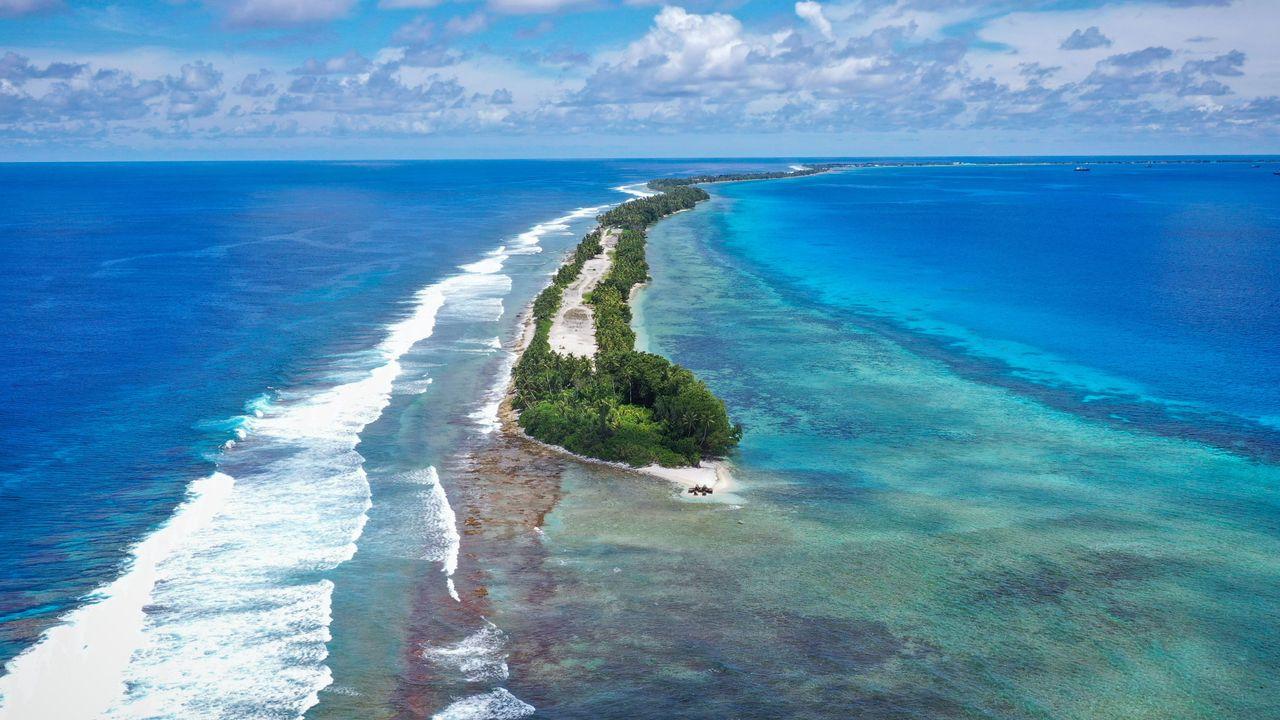
As the relentless march of climate change continues to ravage low-lying islands around the globe, Tuvalu stands at the forefront of an unprecedented humanitarian effort. With rising sea levels threatening to submerge their homeland, residents of this Pacific nation are bracing for the world’s first planned migration of an entire populace – a historic and heart-wrenching response to a crisis that has often seemed abstract from distant shorelines. In a poignant reflection of the staggering impacts of global warming,Tuvalu’s struggle underscores the urgent need for international action and empathy as its citizens prepare to embark on a journey that could redefine their cultural and national identity.This article delves into the motivations, challenges, and implications of Tuvalu’s planned migration, highlighting the pressing question of what it means to lose a home to climate change.
Tuvalu’s Climate Crisis: Understanding the Urgency Behind the World’s First Planned National Migration
The Pacific island nation of Tuvalu stands at a critical crossroads, grappling with the stark realities of climate change that threaten its very existence. With sea levels rising and frequent extreme weather events wreaking havoc, Tuvalu is facing an emergency that could rewrite the narrative of a nation. As communities band together to devise a strategy for relocation, the implications of this unprecedented migration extend beyond just the physical displacement of people. The urgency of their situation demands global attention, spotlighting not only the plight of Tuvaluans but also the pressing necessity for stronger climate action worldwide.
This planned migration represents a complex interplay of environmental, social, and political factors. Key challenges Tuvalu faces include:
- Loss of Land: Much of Tuvalu’s land is becoming uninhabitable due to rising tides and erosion.
- Cultural Preservation: Relocation poses a risk to the preservation of Tuvalu’s rich cultural heritage and identity.
- International Collaboration: The migration necessitates strong partnerships with countries willing to accept Tuvaluans and provide support.
Understanding these elements is crucial, as they not only highlight the struggles of Tuvalu but also serve as a clarion call for global leaders to address the underlying causes of climate change.”
The Human Impact of Rising Seas: Life on Tuvalu’s Frontlines and the Fight for Survival
The residents of Tuvalu, a collection of low-lying islands in the Pacific Ocean, stand at the precipice of an unprecedented humanitarian crisis. As rising sea levels engulf their homeland, many Tuvaluans are grappling with the stark reality of leaving behind their ancestral lands. With an elevation barely above sea level, the islands face chronic flooding, saltwater intrusion, and erosive shorelines. The impending planned migration seeks to pave the way for an entire nation to move to safer grounds,raising questions about identity,culture,and community cohesion in a world increasingly impacted by climate change. Key concerns include:
- Loss of Cultural Heritage: The deep-rooted traditions and historical connections to the land are at risk of being erased.
- Economic Strain: The potential for economic instability as residents relocate and adapt to new environments.
- Political Challenges: Negotiating the logistics of migration and gaining international support is fraught with complexity.
As global discussions on climate change intensify, Tuvalu’s plight is becoming a powerful symbol of the urgent need for climate action. The planned migration not only represents a breakthrough in addressing climate refugees but also underscores the resilience of the Tuvaluan people. Efforts to preserve their unique culture and community during this transition are paramount, as the islanders work on solutions that emphasize solidarity and adaptation. Local initiatives include:
| Initiative | Description |
|---|---|
| Cultural Preservation Programs | Efforts to document and share conventional practices and stories. |
| Relocation Assistance | Support systems being established to aid families in finding new homes. |
| Community Outreach | Engagement with international allies for moral and financial support. |
Lessons from Tuvalu: Global Recommendations for Climate Resilience and Sustainable Migration Strategies
As Tuvalu embarks on the unprecedented journey toward the planned migration of its entire population, the world stands to learn critical lessons about climate resilience and sustainable migration strategies. This small island nation, threatened by rising sea levels and increased extreme weather, illustrates the urgent need for extensive policies that prioritize both the protection of vulnerable populations and the preservation of cultural identities. Key strategies for effective migration should include:
- International Cooperation: Forming alliances between nations to share resources and support displaced populations.
- Legal Frameworks: Establishing guidelines that protect the rights of climate migrants and facilitate their integration into new communities.
- Community Engagement: Involving local and indigenous populations in the decision-making process to ensure that migration strategies are culturally sensitive.
- Resilience Training: Providing education and skills development that prepare affected populations for new economic opportunities in host countries.
The migration of Tuvaluans underscores the essential role of adaptive governance in safeguarding the future of those affected by climate change. Policymakers must recognize the need for proactive measures, including infrastructure investment and the creation of sustainable livelihoods in both home and host countries. Sustainable migration strategies should focus on:
| Strategy | Description |
|---|---|
| Disaster Risk Reduction | Implementing systems to mitigate the impact of climate-related disasters on communities. |
| Financial Support | Creating funds or incentives to assist communities in relocation and adaptation efforts. |
| Cultural Preservation Initiatives | Programs aimed at maintaining cultural identity and heritage during migration processes. |
Wrapping Up
As the residents of Tuvalu brace for an unprecedented chapter in their history, the planned migration serves as a stark reminder of the urgent realities posed by climate change. With rising sea levels threatening their homeland,the decision to relocate an entire nation underscores the profound impact of environmental shifts on vulnerable communities. While Tuvalu’s transition is a monumental response to an existential crisis, it also raises significant questions about migration policies, global responsibility, and the future of climate change adaptation. As the world watches, Tuvalu’s experience may well set a precedent, urging nations to confront the challenges of climate change with empathy and urgency. The journey ahead is not just one of relocation but a testament to resilience and the quest for a sustainable future for all.










