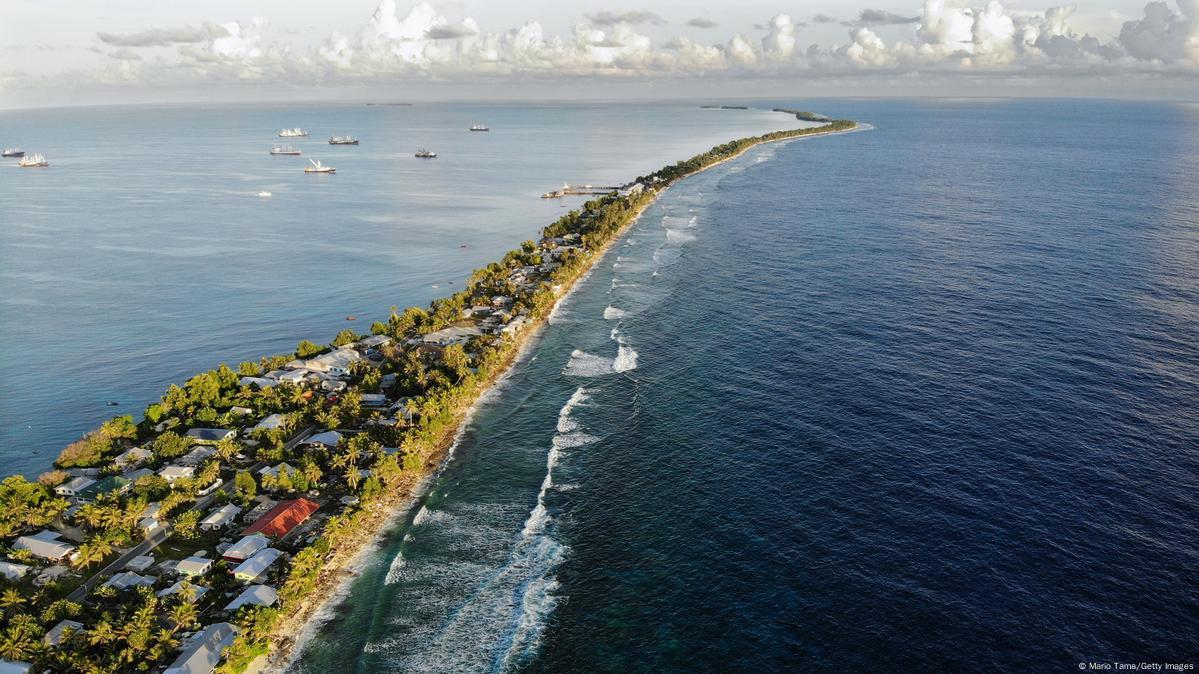
In a poignant reflection of the escalating climate crisis, a staggering one in three citizens of Tuvalu is seeking refuge through climate change visas, as reported by BBC. This small Pacific island nation, known for its idyllic landscapes and rich cultural heritage, is facing existential threats from rising sea levels and increasingly severe weather patterns. As Tuvaluans grapple with the profound implications of a changing climate on their homeland, the quest for these visas underscores a pressing global need for innovative solutions to address climate displacement. This article delves into the reasons behind this significant trend, the experiences of those affected, and the broader implications for international policy and climate migration.
Tuvalu Faces Climate Displacement as One-Third of Citizens Seek Environmental Visas
As climate change intensifies, Tuvalu, a small Pacific island nation, is witnessing a significant shift in the aspirations of its citizens. With rising sea levels threatening to submerge their homeland, approximately one-third of Tuvalu’s population is now pursuing environmental visas to seek refuge in more secure countries.This alarming trend underscores the urgency of their plight and highlights a growing global crisis of climate displacement. The fear of losing their native land drives these individuals to explore options to relocate, with many seeking nations that recognize the unique challenges posed by climate change.
In response to this unprecedented situation, several innovative initiatives and policies are being discussed internationally. Some potential destination countries are considering programs that facilitate the migration of individuals affected by climate-related disasters.As Tuvaluan citizens take steps towards securing their future,the international community faces pressing questions regarding the status and rights of these climate refugees. Elements such as local integration and cultural preservation are critical to ensure that these displaced individuals can maintain their identity amid relocation. A deeper understanding of such complexities is essential for fostering a humanitarian response to climate displacement.
The Rising Tide: Implications for Tuvalu’s Future and Global Response to Climate Migration
As sea levels rise and extreme weather events become a grim reality, Tuvalu faces an existential threat. The island nation’s precarious situation sees one in three citizens applying for climate change visas, highlighting the urgent need for global attention and action. This mass migration not only reflects individual desperation but also raises profound questions about national identity, sovereignty, and the rights of those displaced. If current trends continue, entire communities may find themselves relocating permanently, forcing Tuvaluan culture and heritage to adapt or perish under the pressure of rising tides.
The implications of this migration challenge extend far beyond Tuvalu’s shores.Nations worldwide must grapple with the responsibilities that come with hosting climate refugees. Potential strategies may include establishing multinational agreements, improving international legal frameworks, and enhancing support systems for affected populations. These developments could serve as a blueprint for addressing the growing climate refugee crisis, fostering a collaborative global response that prioritizes human dignity and sustainability.
| Challenges Faced by Tuvalu | Potential Global Responses |
|---|---|
| Inundation of land | International climate agreements |
| Loss of freshwater supply | Investment in lasting technologies |
| Displacement of communities | Creation of resettlement programs |
| Impact on cultural identity | Support for cultural preservation initiatives |
Protecting a Nation: Recommendations for Supportive Policies and International Cooperation
To effectively address the challenges posed by climate change, especially for vulnerable nations like Tuvalu, it is imperative to establish a robust framework of supportive policies.Governments should prioritize measures that include:
- Climate-resilient Infrastructure: Investing in infrastructure that can withstand climate-related hazards will safeguard communities and reduce migration pressures.
- Inclusive Migration Policies: Developing clear pathways for climate-induced migration, such as climate change visas, will help citizens relocate safely and with dignity.
- Financial Assistance: Providing financial support to affected nations to enhance adaptive capacities and implement sustainable development practices.
- Public Awareness Campaigns: Educating citizens on the impacts of climate change and the importance of resilience can foster community-led initiatives.
International cooperation is key to addressing the global implications of climate change migration. Collaborative approaches should focus on:
| Global Partners | Proposed Initiatives |
|---|---|
| Developed Nations | Provide financial aid and technology transfer to enhance local agricultural sustainability. |
| International Organizations | Facilitate forums for sharing best practices in climate adaptation and migration policies. |
| Regional Coalitions | Establish networks for rapid response in times of climate disasters to mitigate displacement. |
By fostering both domestic and international frameworks, nations can collectively uplift those bearing the brunt of climate change, ensuring their rights and dignity are upheld in every circumstance.
The Way Forward
As rising sea levels continue to threaten the very existence of Tuvalu, the plight of its citizens has drawn global attention, prompting one in three of them to seek climate change visas. This significant migration trend underscores the urgent need for international cooperation and comprehensive climate policies that address not only environmental challenges but also the human rights of those affected. As Tuvalu strives to make its voice heard on the global stage, the world must take note of the resilience and determination of its people in the face of an uncertain future. The situation in Tuvalu serves as a stark reminder that climate change is not just a distant issue; it is a pressing reality that demands immediate action and solidarity from all nations. As discussions around climate adaptation and migration policies intensify, the story of Tuvalu will likely serve as a pivotal case study in the fight for climate justice.