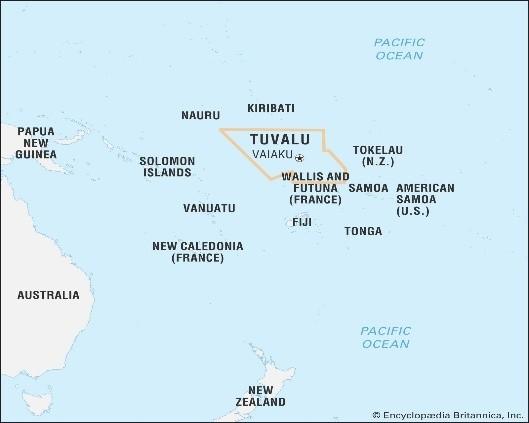
Tuvalu’s Groundbreaking Migration Initiative: A Courageous Approach to Climate Change and Rising Sea Levels
In a groundbreaking move, the Pacific Island nation of Tuvalu has embarked on an unprecedented migration initiative in response to the dire threats posed by climate change and rising sea levels. As one of the first nations grappling with the stark realities of global warming, Tuvalu’s leadership is implementing innovative strategies designed to safeguard its citizens while honoring their cultural heritage. With its low-lying atolls facing imminent inundation, Tuvalu is not only tackling an urgent environmental crisis but also establishing a model for other vulnerable nations confronting similar challenges. This article explores Tuvalu’s forward-thinking migration strategy, its implications for global climate policy, and personal narratives from those affected by this significant transition. The world watches closely as Tuvalu’s actions may serve as a blueprint for resilience amid one of today’s most pressing issues.
Impact of Climate Change on Tuvalu’s Culture and Community
The encroaching ocean has made the consequences of climate change painfully clear to the residents of Tuvalu. The increasing water levels threaten not only their physical territory but also endanger their cultural identity. Traditional practices, community gatherings, and established social structures are increasingly disrupted by this looming crisis. Flooding has compelled numerous families to relocate, raising concerns about preserving their language, customs, and heritage as they leave their homeland behind. As communities become geographically dispersed, there is a growing risk that vital connections to ancestral lands will be irretrievably lost-ultimately undermining the rich cultural fabric that defines Tuvalu.
In response to these urgent challenges, Tuvalu is advancing an innovative migration approach, driven by climate-related factors. The government actively collaborates with various countries to secure sustainable futures for its citizens through resettlement plans that honor and uphold Tuvalu’s vibrant culture. Potential agreements focus on ensuring that displaced individuals can maintain strong community ties abroad while successfully adapting in new environments. Key elements of this migration strategy include:
- Safeguarding Land Rights: Ensuring migrants can continue practicing ancestral traditions.
- Linguistic Preservation Programs: Initiatives aimed at teaching and promoting use of the Tuvaluan language in host countries.
- Civic Engagement Opportunities: Establishing associations among expatriate communities to foster belongingness.
This dual focus aims not only at providing safety but also at sustaining cultural identity amidst upheaval-demonstrating resilience among those affected while affirming commitment to preserving what makes them unique.
Innovative Strategies for Resilient Migration
- Civic Participation: Involving local populations in decision-making processes enhances adaptability while fostering community resilience.
- Sustainable Education Initiatives:
Additionally introduced systems aim towards clarity regarding managing documentation throughout migrations effectively protect migrant rights whilst safeguarding cultural legacies during displacement scenarios-a recent initiative provides detailed insights into these strategies below:
| Tactic | Description | |
|---|---|---|
| Migrant Relocation Frameworks | Developing thorough frameworks facilitating relocation processes due climatic impacts . < tr >< td >< Strong >Infrastructure Improvements | Investments enhancing local facilities accommodating larger populations improving living conditions . |
Global Support Recommendations During Transition Phase ForTuvalus’ Future Successes
<
p >AsTuvalubeginsitsunprecedentedmigrationjourney , itisimperativethatglobalstakeholdersstepupwithrobustsupportandfacilitateeffectivepolicyframeworksensuringtheprotectionanddignityofitscitizens . Criticalactionsinclude :
<
ul >
<
li >< strong >FinancialAid :InternationalaidagenciesmustincreasefundingforclimateadaptationinitiativesinTuvalutohelpmaintainculturalheritageandcommunityresilience .
<
/ li >
<
li >< strong >LegalFrameworks :HostcountriesreceivingmigrantsfromTuvalushouldestablishclearcompassionateimmigrationpoliciesrecognizingclimaterefugeesofferingthemsecurehavenopportunitiesintegration .
<
/ li >
<
li >< strong >CollaborativeEfforts :StrengtheningalliancesbetweenNGOsgovernmentsinternationalorganizationswillfosterexpertiseexchangeandresourceallocationmanagingclimatemigrationsustainablyhumanely .
<
/ li >
<
/ ul >
p Addressingthecomplexchallengesposedbyclimatemigrationrequiresdevelopinginclusiveglobalpoliciesthatprioritizetherightsneedsaffectedpopulations.Initiativesshouldfocuson:
< ul class= "wp-block-list" style= "list-style-type: disc; margin-left: 20px;" data-align= "left" data-color= "#000000" data-background-color="#ffffff" data-border-color="#000000" data-border-width = "1px" data-border-radius = "0px" data-padding = "10px">
< / ul >
Conclusion
< / h2 >
AsTuvalufaceshistoricmigrationduetothreateningrisingsealevelsandchangingweatherpatterns , itcapturesattentionglobally.Thistrailblazingresponseilluminatesurgentissuesaffectingsmallislandnationswhilepromptingsignificantdiscussionsregardingenvironmentaljusticeaccountability.Ascommunitiesareforcedtoadapt , implicationsforculturalidentityheritagesustainabilitygrowmoreintricate.Tuvalsjourneyservesasapowerfulreminderthatimpactsareneitherpurelyenvironmentalnorsolelyhumanbutintertwineddeeplywithinoursharedexperience.Asnationsgatheraddresstheseconcerns , emphasismustremainoninnovativesolutionsprotectvulnerablegroupsensuringtheirvoicesresonatewithinlargerconversations.Theurgencyhasneverbeengreater,andTuvuluadaptionrepresentsacrucialchapterinthenarrativeofclimateresilience.