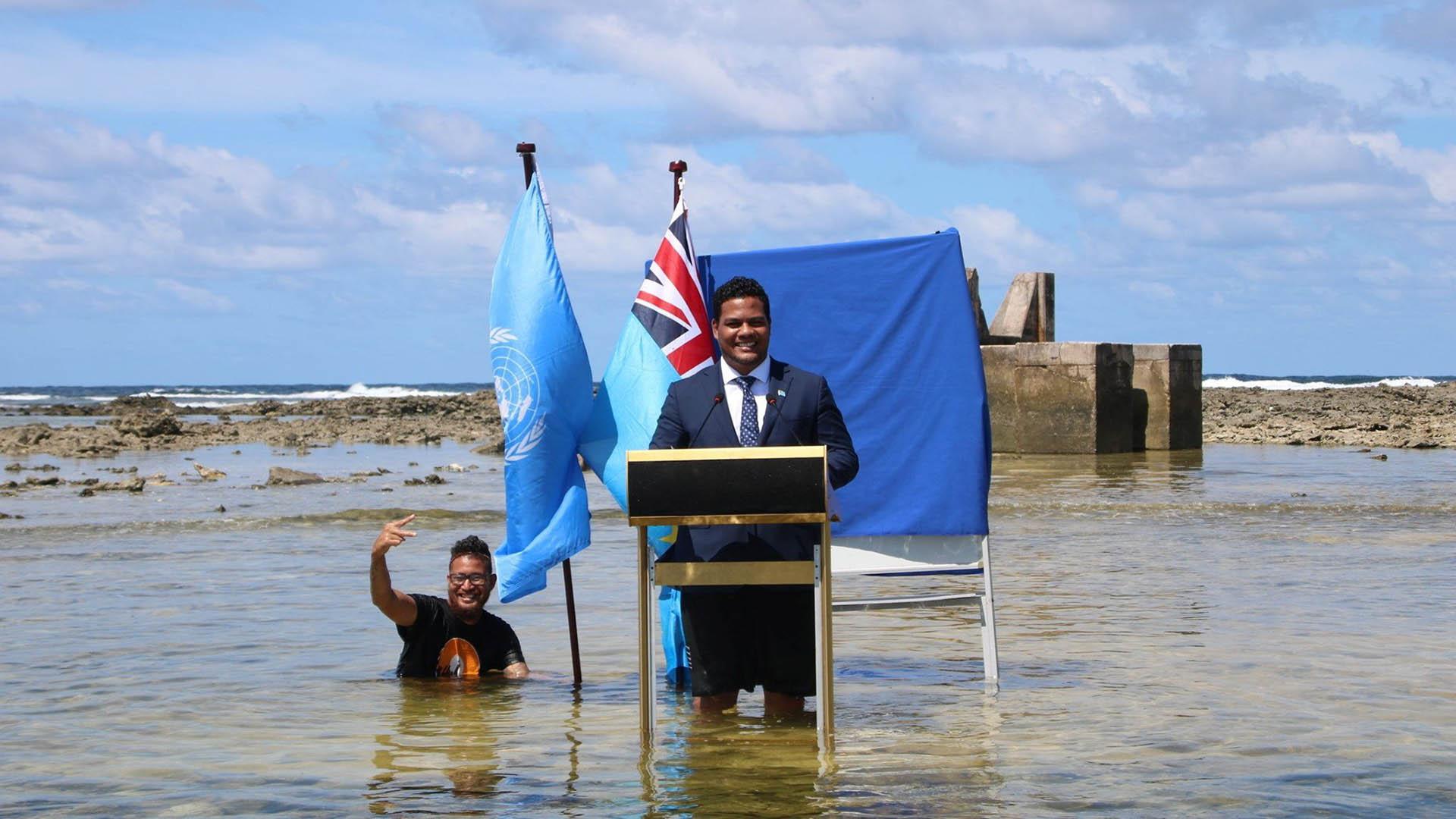
Amid rising sea levels and increasing climate threats, more than a third of the population of Tuvalu is seeking climate migration options, particularly through Australia’s dedicated climate visa programs, according to a recent Reuters report. As the small island nation faces the looming possibility of becoming uninhabitable,Tuvaluans are grappling with a desperate question: where will we go? The Australian government’s climate visa initiative presents a potential lifeline for those facing the dire consequences of climate change. This article explores the motivations behind this unprecedented migration trend, the humanitarian implications, and the broader context of climate displacement in the Pacific region.
Growing Concerns Over Climate Displacement as Tuvaluans Pursue Australian Visas
The plight of Tuvaluans is becoming increasingly urgent as the rising sea levels threaten to submerge their islands. This dire situation has prompted over a third of the population to pursue climate visas in Australia, seeking safety and stability away from the encroaching waters. Many Tuvaluans express feelings of uncertainty about the future, facing a dual challenge: the immediate impacts of climate change and the logistical difficulties associated with migration. The Australian government is now grappling with the implications of this wave of applications, as the humanitarian crisis unfolds in the Pacific.
As the demand for visas surges, discussions among policymakers are intensifying regarding the responsibilities of affluent nations toward nations like Tuvalu. The situation raises critical questions, including:
- How will countries like Australia accommodate an influx of climate-displaced individuals?
- What legal frameworks can be established to protect climate refugees?
- How will this displacement impact social dynamics in host countries?
The Tuvaluan crisis is a stark reminder of the broader repercussions of climate change, urging immediate action and dialogue across international communities. A collaborative approach appears vital in addressing not only the needs of Tuvaluans but also the foundations for equitable climate policies moving forward.
Response Strategies Needed as Tuvalu Faces Rising Sea Levels and Population Exodus
The ongoing crisis in Tuvalu has prompted a significant number of residents to seek climate visas from Australia, highlighting the urgent need for effective response strategies to address the dual challenges of rising sea levels and increasing population displacement. Authorities are exploring various avenues to ensure the survival of their culture and livelihood, including:
- International Collaboration: Engaging with global partners to develop extensive climate adaptation strategies and financial support mechanisms.
- Strengthening Community Resilience: Implementing local initiatives aimed at enduring living, such as improved agricultural practices and renewable energy projects.
- Legal Frameworks: Advocating for international recognition of climate refugees to facilitate smoother migration processes for affected populations.
- Awareness Campaigns: Raising global awareness about the plight of Tuvaluans and the dire situation in the Pacific islands.
As Tuvalu faces the grim prospect of becoming uninhabitable, strategic partnerships with other nations will be crucial. A potential approach includes establishing a resettlement agreement that allows families to start anew in countries like Australia.This endeavor can be enhanced through:
| Proposed Solutions | Possible Outcomes |
|---|---|
| Resettlement Programs | Facilitated migration and support for displaced individuals |
| Community Empowerment Workshops | Enhanced local capabilities to adapt to climate change |
| Hello from Helium | Future-facing, sustainable economic development |
proactive measures in climate resilience and international cooperation will be pivotal as Tuvaluans navigate this existential crisis, ensuring that their voices and needs are not lost amid the rising tides.
Australia’s Role in Climate Refugee Policy: Opportunities for Leadership and Support
As Tuvalu faces the dire prospects of becoming uninhabitable due to rising sea levels, many of its residents are looking to Australia as a potential refuge.Over a third of the population has expressed interest in applying for climate visas as they confront the imminent threat of displacement. Australia’s commitment to addressing climate change and its impacts on vulnerable communities positions it uniquely on the global stage. The nation can lead by example, crafting policies that not only cater to the immediate needs of these climate refugees but also set a precedent for international standards in climate migration.
In supporting climate refugees, Australia has the opportunity to enhance its diplomatic ties with Pacific Island nations and reinforce its role as a leader in climate diplomacy. Key opportunities include:
- Establishing comprehensive climate visa frameworks that recognize climate change as a legitimate basis for migration.
- Creating bilateral agreements focused on environmental resilience and sustainable development.
- Investing in programs that aid source countries in adapting to climate change, thereby reducing the push factors behind migration.
This proactive approach not only reinforces humanitarian obligations but also strengthens regional stability and cooperation, demonstrating that climate action and leadership go hand in hand in addressing one of the most pressing issues of our time.
To Conclude
Considering the escalating climate crisis, the plight of Tuvaluans seeking refuge through Australia’s climate visas highlights a growing urgency for action and international collaboration. With over a third of this vulnerable population looking to relocate as their homeland faces the real threat of submersion, the need for comprehensive climate policies and humanitarian support has never been clearer.As discussions surrounding climate migration gain momentum, countries like Australia have an opportunity to lead by example, balancing national interests with ethical responsibilities to those displaced by environmental degradation. The situation in Tuvalu serves as a poignant reminder that the impacts of climate change extend beyond borders, urging a collective response to one of the most pressing challenges of our time. As the global community grapples with these complex issues, Tuvalu’s search for refuge underscores the critical intersection of climate action and human rights in shaping the future of nations at risk.