
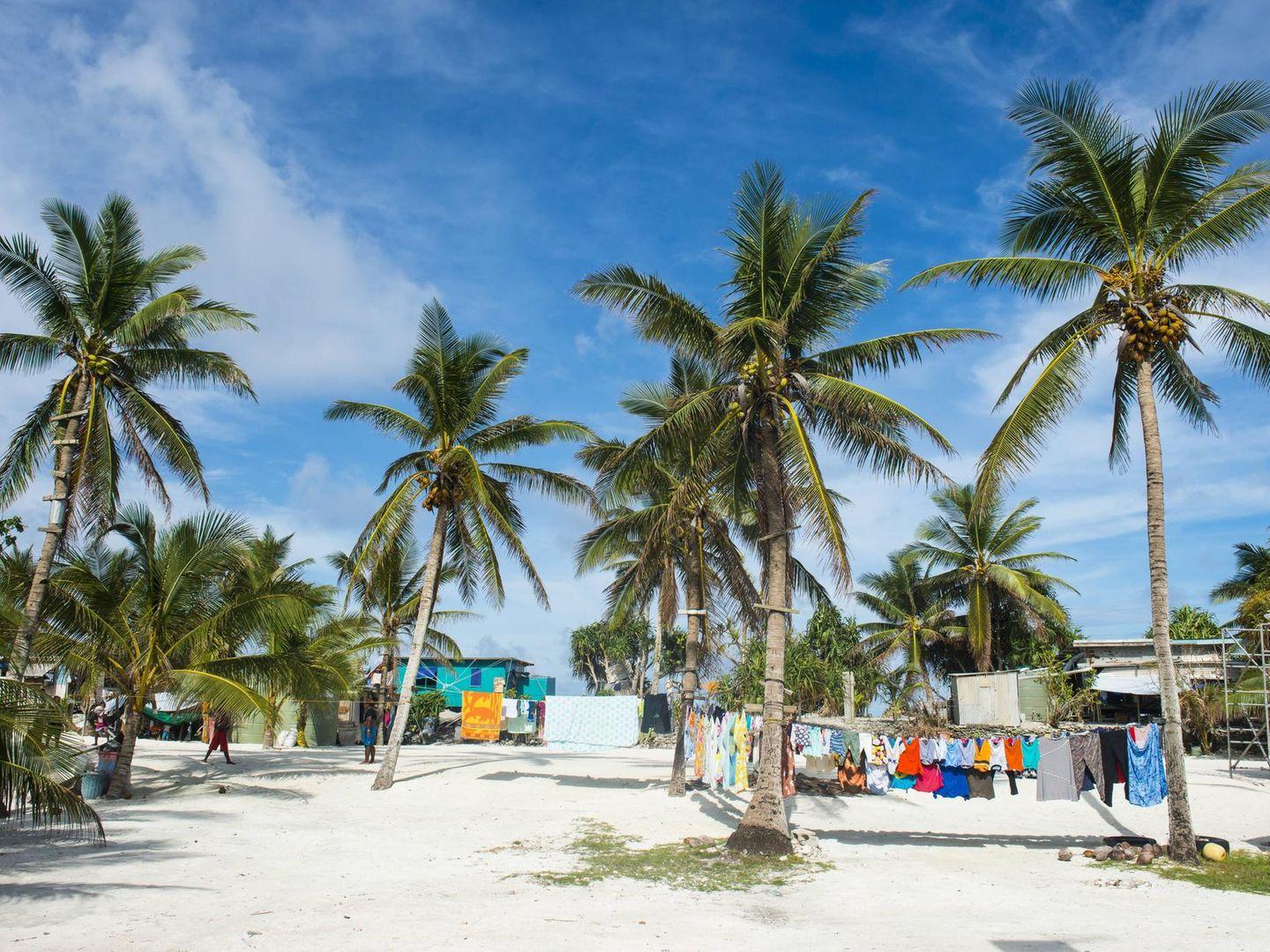
In a significant move reflecting the escalating urgency of climate-induced displacement, over 80% of Tuvalu’s citizens have expressed a desire to secure a pioneering climate visa from Australia. This groundbreaking initiative aims to provide a legal pathway for those affected by rising sea levels and environmental degradation, showcasing the pressing need for international cooperation in addressing the realities of climate change. As small island nations like Tuvalu grapple with existential threats, this potential policy shift could set a precedent for global responses to climate migration. In this article, we explore the implications of the proposed visa, the challenges faced by Tuvaluans, and the broader context of climate policy in the Pacific region.
Tuvalu’s Climate Crisis: Overwhelming Demand for Innovative Visa Solutions
With the threat of rising sea levels and extreme weather events becoming increasingly severe, Tuvalu’s citizens are facing an existential crisis that has prompted over 80% to express interest in a pioneering climate visa proposed by Australia. This unprecedented situation arises from the urgent need for solutions that address the displacement caused by environmental changes. The climate visa would not only provide a refuge but also offer opportunities for Tuvaluans to preserve their cultural identity and rebuild their lives in safer environments. This situation echoes the broader challenges faced by small island nations around the globe as climate change negates their very existence.
The demand for such innovative visa solutions highlights a growing acknowledgment of climate refugees in international discourse. Currently, discussions between Tuvaluan officials and Australian authorities are focused on establishing frameworks that are both humane and effective. Key aspects of this potential visa include:
- Eligibility Criteria: Clear guidelines determining who qualifies as a climate refugee.
- Duration of Stay: Provisions for temporary versus permanent relocation.
- Integration Support: Resources for language, education, and employment assistance.
This push for a climate visa represents a critical junction in global climate policy, emphasizing the need for collaborative efforts in addressing the implications of climate change on vulnerable populations.
Australia’s Role in Climate Refugee Solutions: A Call for Comprehensive Action
The recent surge in interest from Tuvaluan citizens seeking climate visas underscores the growing urgency of addressing climate displacement. With over 80% of the population expressing a desire to migrate to Australia as a response to rising sea levels and environmental degradation, this situation urges the Australian government to reconsider its immigration policies. Climate refugees, like those from Tuvalu, are facing an unprecedented threat to their livelihoods and cultural identity. As they grapple with the realities of climate change, it is vital for Australia to develop a compassionate and structured approach to climate immigration that not only prioritizes the affected communities but also adheres to global humanitarian standards.
To effectively assist these climate refugees, comprehensive strategies should include:
- Creation of climate-specific visas that recognize the unique circumstances of displaced individuals.
- Partnerships with Pacific island nations to create sustainable relocation programs.
- Investment in climate adaptation projects in vulnerable regions to mitigate forced displacements.
This proactive stance could position Australia as a leader in climate justice and humanitarian aid, fostering international collaboration to tackle the climate crisis. As the discussion surrounding climate refugees gains momentum, it is crucial for Australia to act swiftly and decisively to support those displaced by forces beyond their control.
Navigating the Legal Framework: Recommendations for Establishing a Climate Visa Scheme
The call for the establishment of a climate visa scheme for Tuvaluan citizens has brought to the forefront critical considerations around legal frameworks needed to protect individuals displaced by climate change. This scheme would be groundbreaking, necessitating careful navigation of existing immigration laws, human rights obligations, and international agreements. Countries looking to implement a climate visa should consider the following recommendations:
- International Cooperation: Engage with nations disproportionately affected by climate change to create a unified legal approach.
- Fast-Track Processes: Develop streamlined procedures specifically for climate refugees, ensuring rapid response times for displaced persons.
- Rights Protection: Guarantee adherence to international human rights laws, ensuring that climate migrants retain access to essential services.
- Define Eligibility Criteria: Clearly outline the criteria for eligibility to prevent misuse and establish accountability.
To facilitate implementation, it is crucial to establish a transparent framework outlining the responsibilities of both the host nation and the climate visa holders. This could include provisions for social integration, economic contributions, and the eventual pathways to permanence for climate migrants. The following table offers a concise overview of potential elements to include in such a framework:
| Element | Description |
|---|---|
| Integration Programs | Language training and job placement services tailored for climate visa holders. |
| Legal Protections | Assurances of non-refoulement and access to legal aid. |
| Environmental Impact Assessments | Regular evaluations to assess the visa scheme’s impact on local communities and ecology. |
| Monitoring and Evaluation | Establish benchmarks to assess the effectiveness and adapt policies accordingly. |
The Conclusion
As the impacts of climate change intensify, the plight of Tuvalu’s citizens underscores a growing global concern: the urgent need for innovative solutions to ensure the survival of those most affected. With more than 80% of Tuvalu’s population expressing interest in a pioneering climate visa from Australia, this unprecedented initiative could set a significant precedent in international climate policy. It highlights not only the dire circumstances facing small island nations but also the responsibility of wealthier nations to provide refuge and assistance. As discussions surrounding climate adaptation and migration strategies unfold, the world watches closely, recognizing that Tuvalu’s pursuit may well chart a path for other vulnerable nations grappling with similar challenges.










