
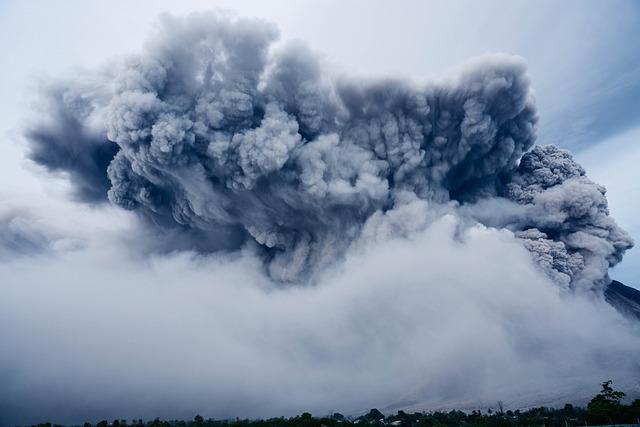
The Implications of the Hunga Tonga Volcanic Eruption
On January 15, 2022, the Hunga Tonga-Hunga Ha’apai volcano erupted in one of the most powerful volcanic explosions in recent history, sending shockwaves not only through the Pacific archipelago of Tonga but across the globe. The eruption unleashed a towering plume of ash and gas that reached stratospheric heights, generating a sonic boom heard thousands of miles away and prompting tsunami alerts across coastal regions. As scientists and goverment agencies scramble to assess the immediate effects on the island nation, the long-term implications of this extraordinary geological event are beginning to emerge. From environmental consequences to impacts on climate science and disaster preparedness, the eruption poses notable challenges that demand a deeper understanding of our planet’s volcanic activity and its far-reaching consequences. In this article, we will explore the multifaceted implications of the Hunga Tonga eruption, examining the scientific, environmental, and societal ramifications borne from this natural phenomenon.
The Global Impact of the Hunga Tonga Eruption on Climate Patterns
The Hunga Tonga volcanic eruption, which erupted spectacularly in January 2022, sent shockwaves through both the atmosphere and the broader climate system. Seemingly localized, its effects reverberated globally, primarily through the release of vast amounts of water vapor into the stratosphere. This unintended result has the potential to alter climate conditions, as increased stratospheric moisture can lead to significant changes in temperature and precipitation patterns. Scientists are observing the following consequences of the eruption:
- Temperature Fluctuations: The introduction of water vapor may temporarily enhance warming trends.
- Precipitation Variability: Changes in atmospheric dynamics may lead to altered rainfall patterns globally.
- Potential for Extreme weather: Increased atmospheric moisture can exacerbate the severity of storms and weather events.
Along with these immediate effects, the eruption has sparked extensive discussions within the scientific community regarding the long-term implications for climate change. Researchers are turning their focus on the interplay between volcanic activity and anthropogenic effects,especially in light of existing global warming trends. The following table summarizes key considerations in assessing this eruption’s impact:
| aspect | short-term Effects | Long-term Considerations |
|---|---|---|
| Atmospheric Dynamics | Temporary cooling and warming cycles | Potential shifts in baseline climate |
| Geographical Displacement | Localized changes | Global redistribution of climatic zones |
| Emissions | initial spike in air quality issues | Reassessment of emission models |
Assessing the Socioeconomic Consequences for Affected Communities
The Hunga Tonga volcanic eruption has left a profound impact on the communities in its vicinity, triggering a cascade of socioeconomic challenges. Many local residents have found their livelihoods disrupted, as agricultural outputs have been severely diminished due to ash fallout. Fishing, a predominant source of income, has also been affected due to the altered marine ecosystems. As communities face these losses,the need for immediate relief and long-term recovery strategies has become critical. Local governments and NGOs are mobilizing resources to assist affected families, but the extent of the damage has stretched these initiatives thin.
In the aftermath of the eruption, disparities in recovery become increasingly apparent. Vulnerable populations such as low-income families and those with limited access to resources face heightened risks of food insecurity and unemployment. Government and international aid efforts must focus on equitable distribution of resources to ensure that no community is left behind. Key areas that require attention include:
- Health Services: Establishing temporary healthcare facilities to treat respiratory issues linked to volcanic ash.
- Infrastructure Repair: Rebuilding damaged roads and schools to restore normalcy.
- Economic Diversification: Supporting training programs for new skills and income-generating activities.
To better illustrate the impact on different sectors, the following table summarizes key areas of concern in affected communities:
| Sector | Impact | Recovery Needs |
|---|---|---|
| Agriculture | Crop failure due to ash | Subsidies for farmers, soil rehabilitation |
| Fishing | Decline in fish populations | Monitoring marine health, alternative livelihoods |
| Public Health | increased respiratory issues | Access to medical care, health education |
Recommendations for Future preparedness and Disaster Response Strategies
The Hunga Tonga volcanic eruption has highlighted significant gaps in our current preparedness and response frameworks. To enhance resilience against similar events in the future, it is crucial to adopt a more integrated approach that utilizes real-time data and advanced modeling techniques.Key recommendations include:
- Strengthening Early Warning Systems: Leveraging technology to provide timely alerts on volcanic activity can save lives and reduce property damage.
- Enhancing Collaborative Efforts: governments, scientific communities, and humanitarian organizations must work together to develop standardized protocols for disaster response.
- Investing in Public Education: Raising awareness about volcanic hazards through community workshops can empower individuals and encourage preparedness at the local level.
In addition, it is essential to adopt a multi-hazard approach to disaster management, focusing not only on volcanic eruptions but also on potential secondary disasters such as tsunamis and ash fall. This multi-faceted strategy shoudl include:
| Strategy | Action Steps |
|---|---|
| Community Drills | Conduct regular exercises to prepare for various scenarios. |
| Resource Allocation | Ensure that essential supplies and support are readily available in high-risk areas. |
| Research Funding | Increase investment in volcanic research to enhance predictive models. |
In conclusion
the Hunga Tonga volcanic eruption has not only reshaped the landscape of the South Pacific but has also introduced significant implications for global climate patterns, atmospheric science, and our understanding of volcanic processes. As researchers continue to analyze the eruption’s effects, it is indeed clear that the event serves as a crucial reminder of nature’s power and the interconnectedness of our planet’s systems. Ongoing studies will be essential to unravel the long-term consequences of such eruptions on weather patterns, ecosystems, and communities. The Hunga Tonga eruption underscores the necessity of preparedness and adaptability in the face of natural disasters and reinforces the importance of scientific inquiry in navigating the challenges posed by our dynamic Earth. As we look to the future, the lessons learned from this event will be invaluable in better preparing our global community for the next natural upheaval.










