
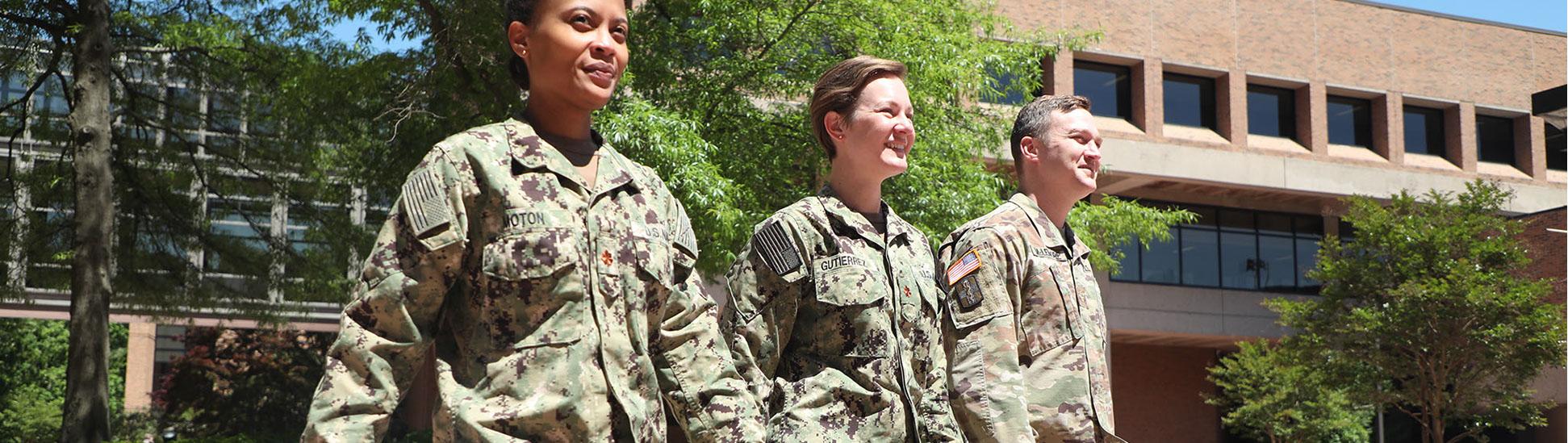
USUHS Alumni Unite for Pacific Partnership 2025: A Pledge to Global Health
In a remarkable demonstration of commitment to global health and humanitarian efforts, alumni from the Uniformed Services University of Health Sciences (USUHS) are playing an active role in Pacific Partnership 2025. This crucial initiative focuses on providing medical assistance, educational support, and disaster relief across the Asia-Pacific region. Recognized as the largest annual humanitarian mission organized by the U.S.military, Pacific Partnership aims to strengthen international relationships and enhance nations’ preparedness for emergencies. This year, dedicated USUHS graduates are leveraging their expertise to improve the mission’s impact, illustrating how military healthcare professionals are vital in fostering health security and resilience within underserved populations. As they gear up for deployment in 2025, these alumni emphasize the enduring influence of their military training on addressing global health challenges.
Impact of Alumni on Humanitarian Initiatives in the Indo-Pacific Region
Alumni from USUHS play a pivotal role in advancing humanitarian initiatives throughout the Indo-Pacific region. Their participation in Pacific Partnership 2025 reflects a long-standing dedication among former students towards global health efforts and disaster response initiatives. By collaborating with both military organizations and civilian agencies, these graduates offer essential medical knowledge along with strategic insights aimed at bolstering community resilience and healthcare capabilities where natural disasters or limited access to services pose significant challenges.
Their involvement not only provides critical care but also includes organizing training programs that empower local healthcare workers-ensuring enduring enhancements within public health systems. Notable projects led by USUHS alumni include:
- Health Outreach Programs: Delivering vital medical services alongside preventive care strategies.
- Training Workshops: Educating local healthcare staff on emergency response protocols.
- Community Assessments: Evaluating local health needs for customized intervention plans.
This collaborative effort between alumni and local communities fosters significant improvements in public health outcomes through shared experiences and knowledge exchange. Such partnerships reinforce international humanitarian endeavors by demonstrating how dedication combined with expertise can cultivate resilience against adversity.
Strategies for Strengthening Health Response Capabilities
The accomplished implementation of health initiatives during Pacific Partnership 2025 relies heavily on coordinated actions among various stakeholders. USUHS alumni are stepping forward by engaging in collaborative strategies, effectively pooling their skills and resources together. By forming close partnerships with regional health authorities, non-governmental organizations (NGOs), and community leaders, they are creating a network focused on enhancing medical response capabilities throughout the area while concentrating on several key areas:
- Comprehensive Training Programs: Conducting extensive training sessions designed to equip local healthcare providers.
- Sourcing Medical Supplies: Facilitating resource sharing including essential medical supplies along with technological tools addressing urgent healthcare needs.
- Cohesive Research Collaborations: Promoting joint research projects that address specific regional health concerns while encouraging innovative solutions.
Additonally ,these alumni are establishing a structured framework aimed at effectively monitoring their impact on community wellness outcomes . Recent discussions have highlighted setting measurable objectives alongside employing data-driven methodologies for tracking progress over time; this framework includes metrics such as :
| Aims | Metrical Indicators | |
|---|---|---|
| Increase vaccination coverage | % vaccinated individuals within target populations | |
| Enhance access treatment options | Average emergency response times across regions | |
| Reduce disease prevalence rates over time | % reduction year-on-year cases reported |
Boosting Alumni Engagement In Future Projects: Suggestions
Cultivating stronger connections between current missions necessitates harnessing both unique talents possessed by former students and also their rich experiences gained during service years . Engaging them through targeted outreach can significantly enhance participation levels while garnering support towards future endeavors.
Here’s what could be implemented:
- Networking Opportunities : Create platforms where alums connect ,share stories ,and collaborate around mission objectives .
- Mentorship Initiatives : Pair experienced professionals guiding newer generations navigating careers within uniformed services .
- Social Media Engagement : Utilize channels like LinkedIn/Facebook forming groups encouraging active discussions /updates regarding ongoing missions .
- Educational Webinars & Workshops : Host sessions featuring speakers who share insights relevant topics impacting field work.
Moreover ,establish feedback mechanisms will refine engagement strategies ensuring they align well meeting needs expressed amongst alums .
Creating dedicated committees focusing solely upon maintaining relationships could streamline interaction processes leading towards sustained interactions .
Some effective methods might include :
| Feedback Mechanisms | Purpose |
|---|---|
| (1) Surveys : Gather opinions about preferred ways engaging/involvement opportunities available. (2) Focus Groups : Discuss interests /ideas surrounding upcoming missions’ participations. (3) Annual Reviews : Evaluate impacts made through contributions identifying growth areas needing attention. |
Conclusion: A Lasting Commitment to Global Health Improvement and Resilience through Collaboration and Expertise!
The involvement demonstrated by graduates from Uniformed Services University Of Health Sciences during Pacific Partnership 2025 underscores an unwavering commitment toward enhancing global wellness standards.
Their contributions enrich not only operational aspects directly related but also embody core values instilled upon all those who graduate – service-oriented mindset coupled compassionately driven excellence!
As preparations unfold ahead into next phases planned activities across pacific regions; contributions made here serve testament proving collaborative approaches yield profound effects positively transforming lives amidst vulnerable communities needing assistance most urgently!










