
Revolutionizing Pacific Relations: The Solomon Islands and China’s Belt and Road Initiative
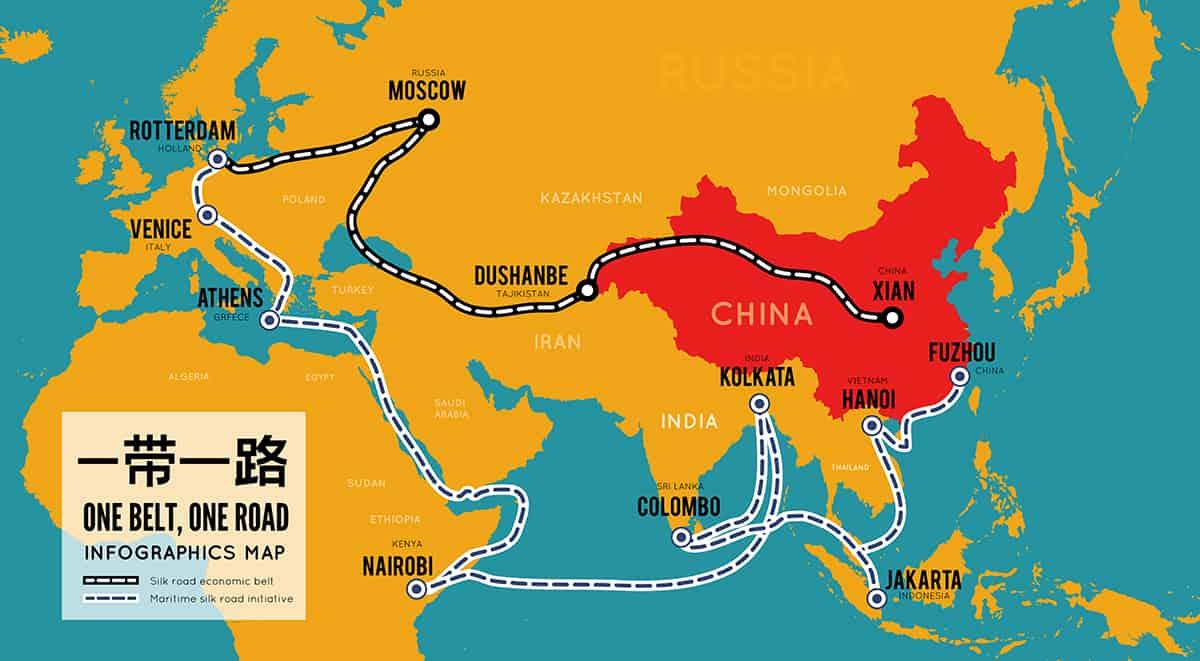
In recent years, China’s Belt and Road Initiative (BRI) has emerged as a meaningful driver of transformation in global trade and diplomatic relations, notably impacting nations throughout the Pacific. A key advancement is the deepening relationship between China and the Solomon Islands, a small nation located in the heart of the Pacific Ocean. As this island nation increasingly aligns with China’s broad development strategy, various concerns arise regarding its effects on local governance, regional alliances, and power dynamics among other Pacific countries. This article delves into the intricacies of China’s involvement with the Solomon Islands by exploring BRI’s objectives, local ambitions, and wider implications for diplomacy during a period marked by geopolitical tensions and economic transitions.
Economic Impact of China’s BRI in the Solomon Islands
The Belt and Road Initiative (BRI) offers fresh avenues for economic revitalization within the Solomon Islands. Through an array of infrastructure projects coupled with enhanced trade opportunities from China, several potential advantages are anticipated:
- Infrastructure Development: Upgrades to transportation systems such as roads and ports that could enhance both tourism appeal and commercial activities.
- Job Creation: Employment opportunities arising from construction projects along with growth in service sectors.
- Investment Surge: An influx of Chinese capital that may support local businesses while encouraging entrepreneurial initiatives.
However, it is crucial to critically assess emerging strategic partnerships resulting from BRI engagement. While economic collaboration presents prospects for growth,it also raises significant concerns about sovereignty within the Solomon Islands alongside shifting geopolitical landscapes. Important considerations include:
- Sovereignty Issues: Increased vulnerability to Chinese political influence alongside economic dependencies.
- Tensions with Neighbors: Possible friction stemming from altered alliances with nearby countries like Australia or New Zealand.
- Ecosystem Consequences:The impact of rapid industrialization on indigenous cultures as well as environmental sustainability efforts.
Geopolitical Context in the Pacific: Analyzing Sino-Solomon Relations
The developing partnership between China and the Solomon Islands illustrates complex geopolitical interests across the Pacific region. With Beijing’s Belt and Road Initiative gaining traction, there exists an opportunity for these islands to become central hubs for investment-driven infrastructure improvements.This collaboration brings forth both risks-such as heightened dependency-and opportunities that local leaders must judiciously weigh against increasing Chinese influence.The nation finds itself at a pivotal crossroads where foreign investments could stimulate economic advancement; however, accompanying geopolitical ramifications pose challenges to national independence along with regional stability.
| Main Factors | Pitfalls | Potential Gains |
|---|---|---|
| Catalyzed Investment | Dangers associated with debt dependence on China | Avenues for infrastructure advancement |
The way forward necessitates comprehensive dialog among stakeholders within the Solomon Islands to forge an equitable path ahead. It is indeed essential to maintain strong ties with traditional partners while also embracing potential benefits offered through participation in BRI initiatives. As apprehensions regarding China’s strategic motives intensify among neighboring nations within Oceania , innovative diplomatic strategies will be vital for effectively safeguarding their interests . Establishing robust governance frameworks alongside regional collaborations remains critical not only for mitigating risks but also maximizing benefits derived from this evolving partnership.< / p >
Strategies for Pacific Nations: Advancing Sustainable Development & Diplomacy Amid Global Rivalries
Navigating through intricate global power dynamics requires that Pacific Island nations adopt multifaceted strategies aimed at enhancing their diplomatic stature while prioritizing sustainable development practices . To effectively safeguard national interests , leaders should consider implementing these approaches :
- Promoting Regional Solidarity : Encouraging cooperation amongst island nations via established platforms such as “Pacific Island Forum” which can collectively address shared environmental challenges whilst advocating globally .
- Cultivating Diverse Partnerships : Building relationships across various international actors including traditional allies plus emerging players like China ensuring alignment towards sustainable goals tailored specifically towards community needs .
- Empowering Local Communities : Investing resources into education systems & infrastructural improvements empowering citizens thus guaranteeing developmental initiatives reflect genuine community requirements & insights.< / li >
- Advocating Environmental Stewardship :< / b >> Prioritizing policies focused around biodiversity conservation recognizing unique ecosystems inherent within these islands serve dual purposes – cultural heritage preservation + long-term ecological viability.< / li >
Additonally , embracing technological advancements can further enhance diplomatic outreach efforts leading towards proactive engagement internationally :< / p >
< b >Methodology< / b > < b>Description< / b > < td >< b >Digital Engagement Strategies< / b > Utilizing social media platforms amplifying voices engaging wider audiences globally.< / td > K-12 Exchange Programs
Innovative Financing Solutions In Summary
The burgeoning alliance between China &theSolomonIslands framedwithinBeltandRoadInitiative(BRI) signifiesa profound shiftinPacificgeopolitics.Astheseislandsembarkon deeperengagementwithChina,theirstrategicdecisionswillundoubtedlyshapeeconomicprospects,diplomaticrelations,andregionaldynamicsacrossOceania.Inanera markedbyglobalpowercompetition,thispartnershipraisescriticalquestionsregardingsovereignty,influence,andthefutureofPacificnationsinanincreasinglyinterconnectedworld.Asdevelopmentsunfold,theymustbecloselymonitoredbyregionalobserversandglobalpowersalike.Thechallenge liesinhowtheseislandstatesnavigateambitionsamidstexternalpressureswhilecraftingtheirpathforwardintothefutureofthisvibrantregion.
Unlocking Tomorrow: H.E. Ambassador Duarte Lopes Shares Visionary Insights on Europe, North Africa, and the Mediterranean
During a recent event hosted by the Stimson Center, participants delved into a captivating discussion about the evolving relationships between...
Read moreDetails









