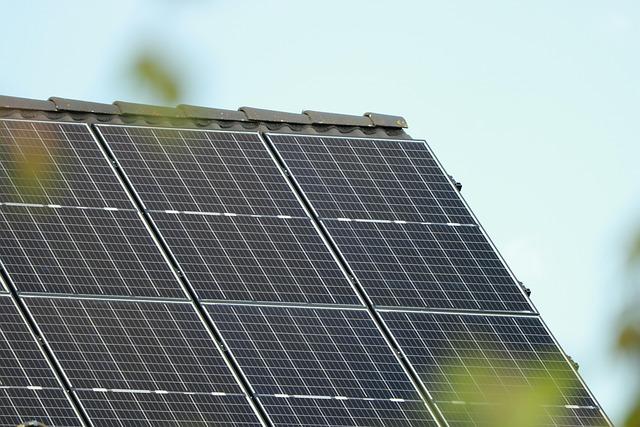
In the Solomon Islands, where access to reliable electricity has long been a challenge, a transformative initiative is set to illuminate the future of health care. The World Health Organization (WHO) has embarked on a groundbreaking project to harness solar power, aiming to bridge the gap in medical services across the archipelago’s remote communities. As solar panels are installed in clinics and medical facilities, this innovative approach promises not only to enhance the delivery of healthcare but also to empower local communities with sustainable energy solutions. With improvements in lighting, refrigeration for vaccines, and overall operational capacity, this initiative marks a pivotal step towards advancing health equity in a nation at the forefront of climate change challenges. This article delves into the implications of solar power for health care in the Solomon Islands and explores how this shift could pave the way for a brighter, healthier future for its citizens.
Transforming Health Care Access in Remote Regions through Solar Energy
In the Solomon Islands, where healthcare facilities often grapple with unreliable power sources, solar energy is emerging as a beacon of hope. With limited access to essential medical services in remote communities, the implementation of solar power is transforming the way health care is delivered. Hospitals and clinics can now operate essential equipment, ensure proper refrigeration for vaccines, and maintain critical care services, even in off-grid areas. The integration of solar power has not only enhanced the operational capability of these facilities but has also significantly improved health outcomes for local populations.
The impact of solar energy on healthcare access is multifaceted, underscoring its importance in creating sustainable and resilient health systems. Key benefits include:
- Enhanced Equipment Functionality: Medical devices such as incubators and diagnostic tools can function without interruptions.
- Increased Vaccine Storage: Reliable refrigeration maintains the efficacy of vaccines, crucial for combating preventable diseases.
- Extended Service Hours: Facilities can offer services beyond daylight hours, ensuring timely care for emergencies.
| Benefit | Description |
|---|---|
| Empowered Communities | Local health workers are better equipped to serve their communities, fostering trust and engagement. |
| Sustainable Solutions | Solar power reduces reliance on fossil fuels, promoting environmental and economic sustainability. |
Innovative Solutions for Sustainable Health Infrastructure in the Solomon Islands
The Solomon Islands, a nation with stunning landscapes and rich cultural heritage, faces significant challenges in providing reliable health care to its population. With many remote communities lacking consistent access to electricity, essential health services often suffer. The introduction of solar power systems marks a groundbreaking shift in health infrastructure, ensuring that clinics can operate efficiently, maintain essential medical equipment, and store vaccines optimally. By harnessing renewable energy, health facilities across the islands can enhance their service delivery, thus improving health outcomes for countless individuals.
Implementing solar power not only addresses energy concerns but also promotes environmental sustainability. Solar energy contributes to reduced carbon emissions while allowing investment in local resources. The World Health Organization (WHO) highlights several key benefits of this initiative, including:
- Enhanced Operational Hours: Facilities can remain open longer to accommodate patients.
- Increased Vaccine Storage: Reliable power ensures that vaccines remain effective.
- Community Resilience: Enhances local health systems’ ability to respond to emergencies.
| Benefits | Impact |
|---|---|
| Increased Accessibility | More patients receive timely care. |
| Cost-Effectiveness | Reduced reliance on diesel generators. |
| Empowerment | Community involvement in health activities. |
Empowering Communities: The Role of Solar Power in Enhancing Health Services
The integration of solar power into health services in the Solomon Islands is proving to be a game changer, bringing much-needed support to remote and underserved communities. Access to reliable electricity has long been a challenge for rural health clinics, often resulting in limited service availability. However, with the installation of solar power systems, these facilities can now ensure essential services are delivered without interruption. Key benefits include:
- Extended Operation Hours: Clinics can now operate after sunset, allowing for emergency services that were previously impossible in the dark.
- Improved Refrigeration: Vaccines and medications requiring cold storage can be preserved, increasing community health outcomes.
- Enhanced Medical Equipment Use: Vital medical devices such as ultrasound machines can now function effectively without the worry of power outages.
The impact of solar power extends beyond mere energy supply; it fosters greater health equity by empowering local health workers and communities. Training programs focused on solar technology have been established, enabling local technicians to maintain and repair the systems themselves. These initiatives not only create jobs but also instill a sense of ownership and accountability within the community. To illustrate the positive transformations taking place, a table highlights the milestones achieved in health service delivery since solar implementation:
| Milestone | Before Solar | After Solar |
|---|---|---|
| Clinic Operating Hours | 6 hours/day | 24 hours/day |
| Vaccination Rate | 60% | 90% |
| Number of Medical Procedures | 200/month | 500/month |
Future Outlook
As the sun sets over the Solomon Islands, the promise of a brighter future for healthcare reflects in the glow of solar-powered facilities. The World Health Organization’s initiative to harness solar energy is not just a strategy for sustainability; it is a transformative leap toward improving health outcomes for communities long deprived of reliable medical services. By ensuring that health care facilities can operate under the radiant power of the sun, this project tackles both the logistical challenges of medical delivery and the pressing issue of energy accessibility.
In a region where transportation and infrastructure pose ongoing hurdles, solar power emerges as a beacon of hope, enabling consistent access to essential healthcare. The initiative stands as a testament to the potential of renewable energy to foster resilience and innovation, enriching the lives of countless individuals.
As the WHO continues to champion these efforts, the vision remains clear: a healthier, more accessible world, illuminated by the light of solar technology. The journey has just begun, but the impact of these initiatives will resonate for generations, proving that when we bring light to life, we not only enlighten our surroundings but also empower our communities.