
Introduction:
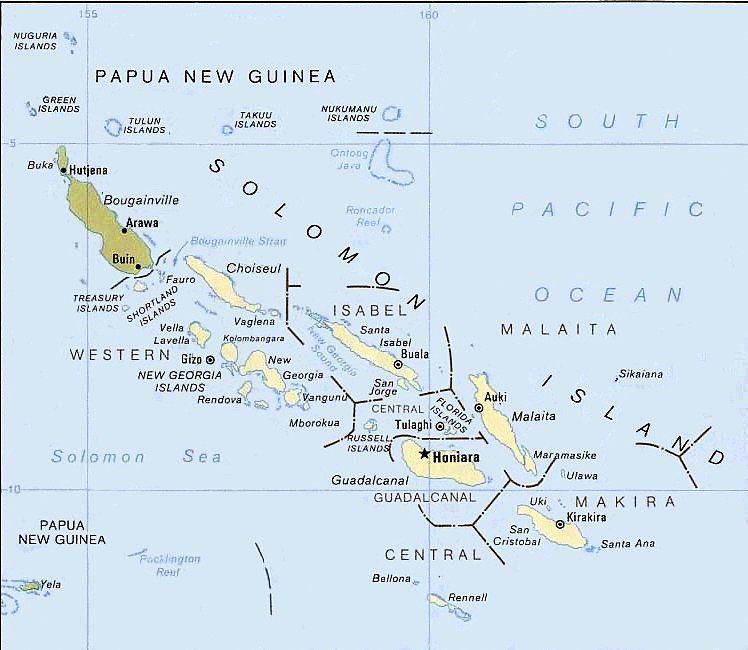
As climate change continues to unleash its devastating impacts on vulnerable communities worldwide, the Solomon Islands stand at the forefront of an emerging humanitarian crisis. Nestled in the South Pacific, this archipelago is grappling with rising sea levels, increased storm intensity, and more frequent flooding, driving its residents to consider the unthinkable: forced migration. A recent study by the Othering & Belonging Institute explores the plight of climate refugees within this island nation, highlighting the socio-economic and cultural ramifications of displacement. By examining the intersection of environmental degradation and human rights,this case study underscores the urgent need for global awareness and action to address the challenges faced by those who call the Solomon Islands home. As these communities navigate the delicate balance between belonging and survival, the implications of their struggle resonate far beyond their shores, challenging our understanding of citizenship, identity, and duty in the age of climate change.
Understanding Climate Refugees in the Solomon Islands Context
The Solomon Islands are experiencing a profound change as rising sea levels and extreme weather events increasingly displace communities.Climate refugees here are those who are forced to leave their homes due to environmental changes that threaten their safety and livelihoods. The nuances of displacement in this region go beyond mere migration; they reflect a deeper struggle for identity and belonging. As entire villages face the imminent threat of submersion, the inhabitants confront the painful reality of losing not only their homes but also their cultural ties and ancestral lands.
the impact of climate change on the Solomon Islands is evident through various factors that contribute to the refugee crisis. These include:
- coastal Erosion: Accelerated by rising sea levels, many coastal communities are gradually losing their land.
- Extreme Weather Events: Increased frequency and intensity of storms lead to displacement and destruction of housing.
- Food and Water Security: Salinization of freshwater resources endangers local agriculture and livelihoods.
- Health risks: Outbreaks related to climate change, such as waterborne diseases, force inhabitants to migrate in search of safer conditions.
To address these pressing issues, understanding the socio-political implications of climate-driven migration within the context of the Solomon islands is critical. Local and international responses must prioritize enduring adaptation strategies that preserve cultural heritage while offering support to those displaced. Ensuring the dignity and rights of climate refugees requires a concerted effort to engage communities in resilience-building initiatives that empower them amidst the uncertainty of their future.
Exploring the Impact of Environmental Change on Local Communities
As the Solomon islands grapple with the severe consequences of climate change, local communities are facing unprecedented challenges that threaten their very existence. Rising sea levels, increased frequency of extreme weather events, and shifting marine ecosystems are reshaping the landscape, both physically and culturally. The ramifications extend beyond environmental degradation; they erode the social fabric of these communities, where conventional livelihoods such as fishing and agriculture are becoming increasingly insecure. Families are now grappling with a loss of identity, as ancestral lands are swallowed by the ocean, forcing many to confront the painful reality of displacement.
Human migration in response to these environmental shifts is not merely a matter of relocating; it encapsulates a broader narrative of othering, wherein displaced populations face marginalization and identity crises in their new environments.This phenomenon raises critical questions about belonging and cultural preservation in the context of displacement. key factors influencing these dynamics include:
- Access to Resources: The availability of land, water, and food security in host communities plays a vital role in integration.
- Government Policy: Local and national policies can either facilitate or hinder the inclusion of climate refugees.
- Cultural Acceptance: the ability of host communities to embrace newcomers impacts social cohesion.
| impact Factor | Description |
|---|---|
| Displacement | Loss of homes and traditional territories due to rising sea levels. |
| Economic Strain | Increased pressure on local resources and services in receiving areas. |
| Identity Crisis | Struggles to maintain cultural practices and social networks. |
Recommendations for Sustainable solutions and Global Support Initiatives
In light of the ongoing challenges faced by climate refugees in the Solomon Islands, it is critical to implement sustainable solutions that prioritize both environmental resilience and social equity. Policymakers must focus on fostering community-led initiatives that empower local populations. Key recommendations include:
- Building adaptive infrastructure: Invest in resilient housing and community facilities that can withstand climate impacts.
- Enhancing ecosystem restoration: Support reforestation and mangrove restoration projects to protect coastal environments.
- Establishing education programs: Launch training programs aimed at equipping residents with skills for sustainable livelihoods.
- Facilitating access to clean energy: Promote renewable energy sources to reduce dependence on fossil fuels.
Global support initiatives must also play a critical role in addressing the systemic issues tied to climate migration. International collaboration can definitely help provide the necessary resources and support networks for affected communities. Suggested actions include:
| Initiative | Description |
|---|---|
| Climate resilience Fund | Establish a fund dedicated to supporting adaptation projects in vulnerable regions. |
| Global Refugee Policy | Create frameworks that recognize climate refugees under international law, ensuring their rights are protected. |
| Research and Data Sharing | Facilitate partnerships for data transparency and climate impact analysis to inform decision-making. |
| Community Exchange Programs | Promote cultural exchange initiatives that enhance understanding and solidarity among affected populations worldwide. |
Final Thoughts
the case study of the Solomon Islands highlights the urgent and pressing realities of climate refugees in a world increasingly affected by environmental change. As rising sea levels and extreme weather events threaten the very existence of these communities, the need for comprehensive policy responses and international cooperation becomes more critical than ever. The insights from the Othering & Belonging Institute shed light on the complex narratives of belonging, identity, and displacement that accompany this crisis. As global leaders gather to address climate change, the stories of those affected, like the resilient inhabitants of the Solomon Islands, must not be overlooked.Their plight serves as a stark reminder of our shared responsibility to protect vulnerable populations and our planet’s future. As we move forward, it is imperative to prioritize inclusive solutions that honor the dignity and rights of all individuals facing the looming threat of displacement.










