
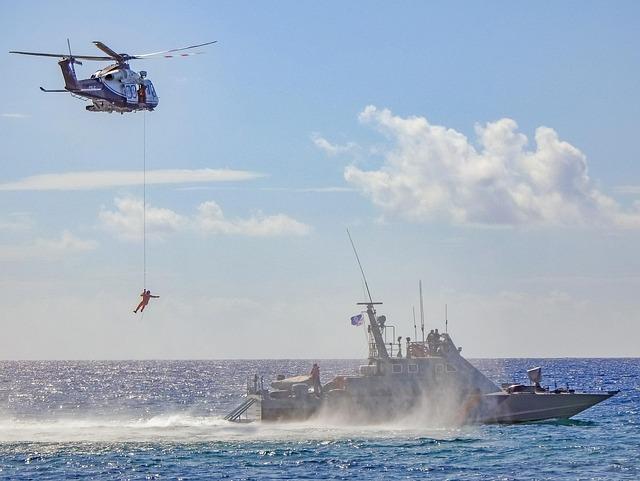
In a significant step towards enhancing maritime security in the Pacific region, the U.S. Coast Guard, in collaboration with the U.S. Embassy in Samoa, has inaugurated a new Maritime Boarding Officer Course aimed at bolstering the skills and capabilities of local maritime law enforcement officials. This initiative, which took place in Apia, symbolizes a deepening partnership between the United States and Samoa, focusing on improving regional safety and stability. The course will equip participants with essential techniques and best practices for conducting vessel inspections and enforcing maritime law, underscoring the commitment of both nations to fostering collaborative efforts in securing vital oceanic routes. As maritime challenges continue to evolve, this training represents a proactive measure to enhance the readiness and effectiveness of Samoa’s maritime authorities while promoting safe and secure seas across the Pacific.
US Coast Guard and US Embassy Collaborate to Enhance Maritime Security in Samoa
The recent collaboration between the US Coast Guard and the US Embassy marks a significant step forward in bolstering maritime security in Samoa. This partnership has resulted in the launch of a specialized maritime boarding officer course aimed at enhancing the skills and capabilities of Samoan officials involved in maritime law enforcement. Key components of the training program include:
- Maritime Law Enforcement Techniques: Training on the legal frameworks governing maritime operations.
- Search and Rescue Operations: Instruction on efficient search and rescue methodologies.
- Safety Protocols: Essential safety measures for both personnel and vessel operations.
- Crisis Response: Strategies for effectively managing maritime emergencies.
This initiative not only strengthens local capacities but also fosters a cooperative relationship between the US and Samoan authorities in addressing maritime threats. Following the course, participants will be equipped to implement their knowledge in real-world scenarios, thus improving the overall security framework within Samoan waters. The program underscores the importance of regional collaboration in safeguarding maritime territories and reflects a commitment to uphold safe and secure seas. The anticipated outcomes of this training extend beyond immediate security benefits, as it aims to promote sustainable fishing practices and protect marine ecosystems.
Innovative Training Program Aims to Boost Local Capacity for Effective Boarding Operations
The recent initiative by the US Coast Guard and US Embassy is set to enhance the skills of local maritime personnel in Samoa, focusing on boarding operations that are critical for maintaining maritime safety and security. This innovative training program aims to equip participants with essential knowledge and practical skills through a range of hands-on exercises and theoretical components, ensuring they can effectively respond to various maritime challenges. Key curriculum elements include:
- Legal Frameworks: Understanding international and local laws governing maritime operations.
- Boarding Techniques: Mastery of safe and effective boarding procedures.
- Emergency Response: Training in crisis management and emergency protocols.
- Interagency Coordination: Enhancing collaboration with local and international agencies.
This course not only builds individual expertise but also fosters a collaborative environment among various stakeholders in Samoa’s maritime sector. By investing in local capacity, the program aims to strengthen the overall governance of maritime activities in the region. Participants will also engage in strategic simulations designed to emulate real-world scenarios, thus preparing them for operational readiness. The positive impact of this initiative is expected to ripple beyond training, encouraging a unified approach to maritime security that enhances the region’s resilience against threats, including illegal fishing, human trafficking, and other transnational maritime crimes.
Strategic Implications of Strengthening Maritime Enforcement in the Pacific Region
The introduction of a maritime boarding officer course in Samoa by the US Coast Guard and the US Embassy signifies a robust commitment to enhancing regional maritime law enforcement capabilities. By equipping local personnel with advanced skills, this initiative is expected to bolster regional stability and promote sustainable maritime governance in the Pacific. Strengthening maritime enforcement not only serves to combat challenges such as illegal fishing and human trafficking but also fosters greater collaboration among Pacific nations, thereby building a united front against transnational maritime threats.
Strategically, reinforced maritime enforcement in the Pacific will enable a more proactive approach to security challenges, enhancing situational awareness and response capabilities. This proactive stance can further serve to deter malign activities by reinforcing international norms and encouraging compliance with maritime regulations. Potential benefits include:
- Enhanced regional cooperation: Fostering information sharing and coordinated patrols among Pacific nations.
- Increased resilience: Building local capabilities to respond to emergencies and maritime incidents.
- Deterrence of illegal activities: Raising the cost of engaging in illicit maritime behaviors.
Through continued training and collaboration, the Pacific region can establish a comprehensive maritime strategy that aligns with international legal frameworks while addressing specific local challenges. Investment in these capacities not only enhances security but also solidifies the US’s role as a key partner in promoting peace and stability within the region.
The Conclusion
In conclusion, the collaborative efforts between the US Coast Guard and the US Embassy in Samoa to launch the new maritime boarding officer course represent a significant step forward in enhancing maritime security and law enforcement capacity in the region. This initiative not only strengthens the capabilities of the partner nations but also underscores the commitment of the United States to fostering regional stability and cooperation. As participants engage in this rigorous training program, they will acquire essential skills that are crucial for effective maritime operations, bolstering their ability to respond to challenges in an increasingly complex maritime environment. The success of this course could pave the way for similar partnerships and training opportunities across the Pacific, reinforcing the importance of international collaboration in safeguarding maritime interests. The US Coast Guard remains dedicated to this mission, ensuring that all nations can work together to protect their waters and promote a safer maritime domain.










