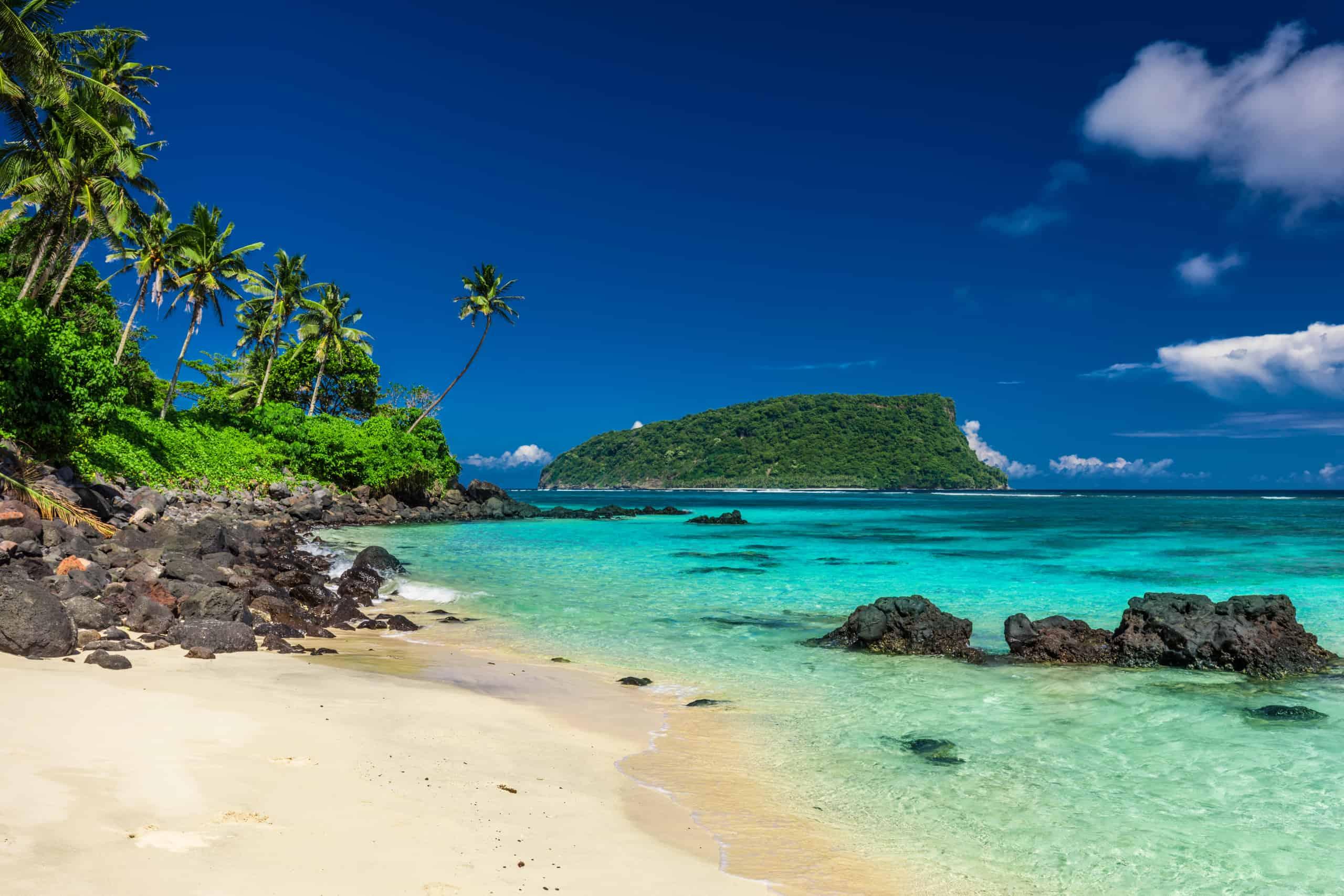
In a groundbreaking move for marine conservation, Samoa has officially committed to legally protect 30% of its ocean territory while ensuring that 100% of its vast marine resources are sustainably managed. This ambitious initiative, celebrated by environmentalists and local communities alike, positions Samoa at the forefront of global efforts to safeguard oceanic ecosystems. By prioritizing both protection and sustainable usage, the Pacific island nation aims to combat the effects of climate change and overfishing, setting a precedent for other countries striving to balance ecological integrity with economic development. Conservation International has lauded this policy as a significant step towards preserving biodiversity and promoting the resilience of marine environments in the face of mounting environmental challenges. As Samoa embarks on this pivotal journey, the world watches closely, hopeful that this commitment will resonate far beyond its shores.
Samoa’s Bold Initiative to Safeguard Marine Biodiversity and Ecosystem Health
Samoa has embarked on a groundbreaking voyage towards ecological stewardship, marking a significant milestone in the global conservation effort. By committing to legally protect 30% of its ocean and ensure the sustainable management of the remaining 100%, the nation is setting a powerful example for small island states and coastal nations alike. This initiative not only highlights Samoa’s dedication to preserving its rich marine biodiversity but also emphasizes the critical need for sustainable practices that balance economic growth with environmental protection. As a key player in the Pacific region, Samoa’s move is anticipated to boost local economies while safeguarding vital ecosystems for future generations.
The implications of this commitment are profound, particularly in areas such as fisheries, tourism, and climate resilience. Some key aspects of Samoa’s initiative include:
- Marine Protected Areas (MPAs): Establishing comprehensive reserves to protect vulnerable species and habitats.
- Community Engagement: Involving local communities in conservation efforts to foster a sense of ownership and responsibility.
- Education and Awareness: Promoting programs that raise awareness about the importance of marine ecosystems.
- Research and Monitoring: Investing in scientific studies to inform policy decisions and adapt strategies as needed.
| Aspect | Description |
|---|---|
| Target Goals | 30% ocean protected by law |
| Management | Sustainable practices across 100% |
| Community Role | Active participation in conservation |
| Global Impact | A model for other nations |
Strategies for Effective Sustainable Management of Ocean Resources in Samoa
In an ambitious move towards ocean sustainability, Samoa has implemented several innovative strategies to effectively manage its marine resources. These strategies focus on enhancing local community engagement and leveraging traditional practices alongside modern conservation techniques. Key approaches include:
- Community-Led Conservation: Involving local communities in decision-making processes ensures that those who rely on ocean resources have a voice in their management.
- Education and Awareness Programs: Initiatives aimed at educating the public about the importance of sustainable practices help to foster a culture of conservation.
- Monitoring and Enforcement: Strict regulations are enforced to reduce illegal fishing and protect critical habitats, with technology playing a crucial role in monitoring compliance.
- Partnerships with NGOs: Collaborating with organizations dedicated to marine conservation can provide the expertise and resources necessary for successful management programs.
Furthermore, the government of Samoa has prioritized the establishment of marine protected areas (MPAs) to safeguard biodiversity while allowing for sustainable fishing practices. This balanced approach is achieved through:
| Element | Description |
|---|---|
| Resilience Building | Enhancing ecosystem health to withstand climate change impacts. |
| Recreational Use | Promoting eco-tourism opportunities that benefit local economies. |
| Research and Data Collection | Investing in science to inform management decisions and track progress. |
Global Implications of Samoa’s Ocean Conservation Model for Small Island Nations
The success of Samoa in legally protecting 30% of its ocean and sustainably managing the remaining 100% has significant implications for other small island nations grappling with similar environmental challenges. By establishing a robust framework for marine conservation, Samoa serves as a beacon for sustainable development practices that can combat the adversities of climate change, overfishing, and biodiversity loss. This model emphasizes the importance of community involvement and traditional knowledge, fostering stewardship that reinforces the ecological integrity of marine resources while supporting local livelihoods.
Other nations can draw valuable lessons from Samoa’s approach, particularly in developing partnerships with various stakeholders, including governments, nonprofits, and local communities. The following aspects become critical for adopting similar conservation models:
- Legal Framework: Enacting laws that mandate ocean protection and sustainable practices.
- Community Engagement: Involving indigenous populations in decision-making processes.
- Adaptive Management: Utilizing science-based research to adjust conservation strategies as needed.
- Regional Collaboration: Networking with neighboring island nations to share resources and strategies.
| Aspects of Samoa’s Ocean Conservation Model | Potential Benefits for Other Nations |
|---|---|
| Marine Protected Areas (MPAs) | Enhanced biodiversity and fish stock recovery |
| Community-Based Management | Increased local ownership and adherence to regulations |
| Sustainable Fisheries Practices | Long-term economic viability of fishing industries |
| Climate Resilience Strategies | Mitigated impacts of climate change on marine ecosystems |
In Summary
In a landmark move towards marine conservation, Samoa has officially committed to protecting 30% of its ocean territory while sustainably managing 100% of its waters. This ambitious initiative, supported by Conservation International, reflects the nation’s dedication to preserving its rich marine biodiversity and ensuring the resilience of its ecosystems amidst ongoing environmental challenges. The Pacific Island nation’s approach not only safeguards vital habitats but also empowers local communities to engage in sustainable practices that bolster economic opportunities and enhance food security. As the world grapples with the impacts of climate change and overfishing, Samoa sets a powerful example for other nations to follow in the pursuit of sustainable ocean management. The implications of this decision extend beyond national borders, embodying a global call to action for the conservation of our planet’s precious marine resources. As Samoa charts new waters in environmental stewardship, it invites other countries to join in fostering a future where both nature and communities can thrive.