
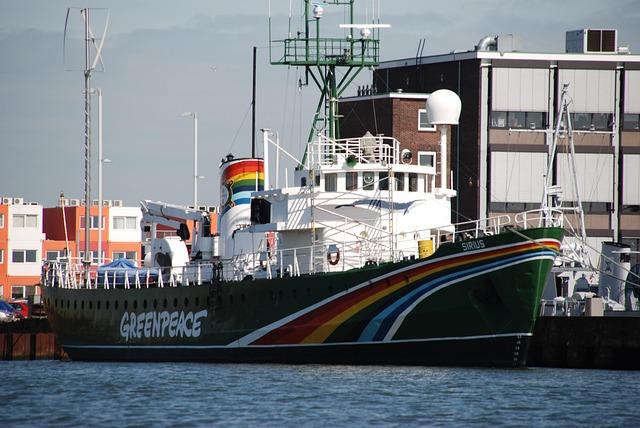
In a bold stance against proposed seabed mining operations off the coast of American Samoa, Greenpeace USA has launched a fierce critique of the U.S. government’s plans, highlighting potential environmental risks and the adverse effects on local ecosystems. The organization, known for its vigorous advocacy for ocean protection, argues that the impending mining activities pose a significant threat to the marine biodiversity that sustains both local communities and the broader environmental landscape. As stakeholders from various sectors weigh in on this contentious issue, Greenpeace’s objections underscore a growing concern about balancing economic development with ecological preservation in pristine oceanic habitats. This article delves into the implications of these mining proposals and the response from environmental advocates, government officials, and local residents.
Greenpeace USA Condemns Proposed Seabed Mining Operations Near American Samoa
In a vigorous response to the proposed seabed mining operations near American Samoa, Greenpeace USA has vocalized strong opposition to the plans, citing significant environmental risks to delicate marine ecosystems and communities that depend on them. The organization emphasizes that these operations threaten essential biodiversity, including coral reefs and various marine species crucial for local livelihoods. Key concerns raised by Greenpeace include:
- Destruction of Marine Habitats: Disturbance of the seabed can lead to irreversible damage to habitats supporting vital marine life.
- Water Pollution: The mining process risks releasing toxic substances and sediments, potentially harming both wildlife and human populations.
- Impact on Local Communities: Indigenous communities and residents who rely on fishing and tourism could face economic and cultural repercussions.
Furthermore, Greenpeace warns that these operations undermine global efforts to tackle climate change and promote sustainability. By prioritizing short-term profits over the health of our planet, the U.S. government risks jeopardizing future generations. Recent studies indicate that marine ecosystems play a critical role in carbon sequestration, and their degradation could accelerate climate-related challenges. In light of this, Greenpeace calls for:
- A moratorium on seabed mining: Until comprehensive studies on ecological impacts are conducted.
- Strengthened environmental regulations: To protect vulnerable ocean habitats.
- Increased advocacy for alternative resources: Promoting sustainable solutions to meet global needs without endangering ecosystems.
Environmental Impact and Biodiversity Risks of U.S. Seabed Mining Plans
The recent announcement of seabed mining plans off the coast of American Samoa has raised significant concerns regarding its environmental fallout. Proponents argue that the extraction of minerals like nickel, cobalt, and rare earth elements could bolster the economy, but critics warn that the consequences to marine ecosystems could be catastrophic. Potential impacts include:
- Destruction of fragile seabed habitats
- Disturbance of sediment that can smother local marine life
- Release of toxic substances into the ocean
- Disruption of species migrations and breeding patterns
Moreover, the biodiversity risks inherent in these mining operations extend beyond immediate environmental destruction. The unique species that inhabit the deep-sea ecosystems are often poorly understood, and their extinction could have far-reaching implications on global biodiversity. As highlighted by Greenpeace, the long-term effects may include:
- Loss of species unique to the region
- Unintended consequences for food webs
- Alterations to the carbon cycle due to habitat degradation
To illustrate the significance of these threats, the table below outlines the potential long-term impacts versus immediate economic benefits of seabed mining:
| Impact Type | Long-Term Environmental Effects | Immediate Economic Gains |
|---|---|---|
| Habitat Loss | Irreversible destruction of ecosystems | Short-term job creation |
| Biodiversity | Extinction of unique species | Mineral resource acquisition |
| Water Quality | Pollution and sedimentation | Increased investment in local economy |
Advocating for Sustainable Alternatives: Recommendations from Greenpeace USA
As the debate on seabed mining intensifies, Greenpeace USA is urging a shift toward more sustainable practices that prioritize the health of marine ecosystems. Rather than exploiting the ocean floor for resources, the organization emphasizes the importance of embracing alternatives that mitigate environmental harm. This advocacy is not merely about preserving natural beauty, but also about safeguarding biodiversity essential for the resilience of ocean health. To this end, Greenpeace suggests that policymakers consider the following sustainable alternatives:
- Investment in Renewable Energy – Promoting technologies such as wind, solar, and wave energy reduces dependence on seabed mining for minerals.
- Recycling and Resource Recovery – Encouraging the reuse of metals and minerals can significantly decrease the demand for seabed extraction.
- Ecotourism Initiatives – Developing sustainable tourism can provide economic benefits while preserving marine environments.
Greenpeace also recommends that any future development policies funded by taxpayers should incorporate rigorous environmental assessments and prioritize initiatives that demonstrate a commitment to ecological integrity. Collaborative efforts involving scientists, local communities, and conservationists are vital for crafting a balanced approach that maximizes long-term sustainability. A table of potential initiatives that could bolster ocean health is outlined below:
| Initiative | Objective |
|---|---|
| Marine Protected Areas | Preserve biodiversity and protect habitats from harmful activities. |
| Sustainable Fisheries Management | Ensure fish populations recover and thrive through responsible practices. |
| Community Awareness Programs | Educate the public on the importance of ocean conservation. |
To Wrap It Up
In conclusion, Greenpeace USA’s strong opposition to the proposed seabed mining operations off the coast of American Samoa underscores a growing concern over environmental sustainability in the face of economic development. As the conversation around resource extraction in vulnerable marine ecosystems gains momentum, the conflicting interests of industry and environmental protection continue to be brought to light. Advocates warn that the potential damage to delicate habitats must not be overlooked in pursuit of short-term gains. As stakeholders from government, industry, and environmental organizations grapple with these pressing issues, the fate of American Samoa’s rich underwater biodiversity remains uncertain. The mounting pressure on policymakers to prioritize conservation over exploitation highlights the critical need for a balanced approach in addressing the challenges of climate change and resource management. As this story unfolds, all eyes will be on the decision-makers who hold the power to shape the future of seabed mining and its impact on one of the nation’s most treasured marine environments.










