
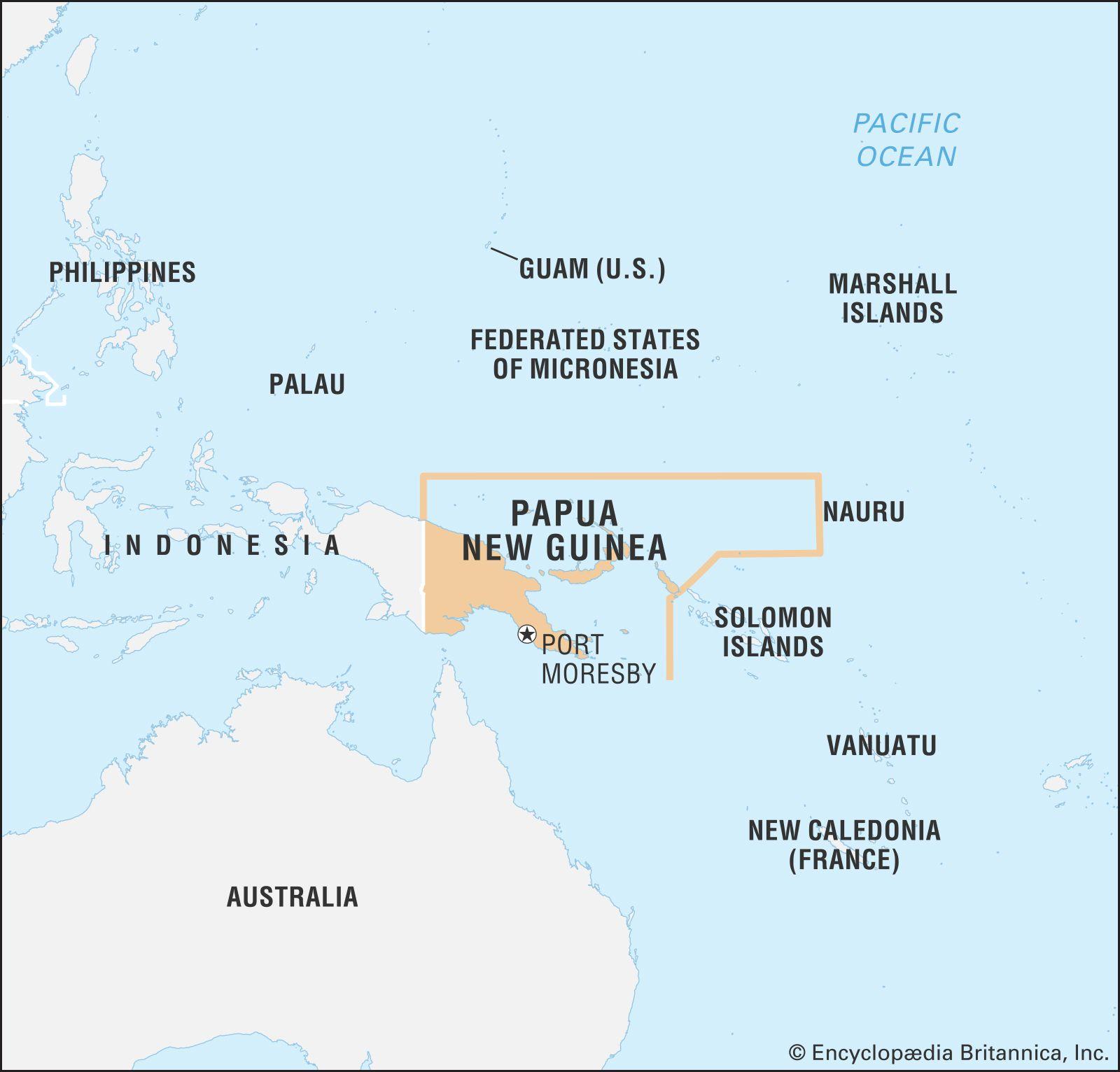
In a remarkable display of environmental leadership, Papua New Guinea has garnered international acclaim for its ambitious climate initiatives, drawing praise from United Nations Secretary-General António Guterres. As the nation faces the pressing challenges of climate change, Guterres commended Papua New Guinea for its ‘bold climate action’ during his recent remarks at a global conference, highlighting its commitment to reducing carbon emissions and protecting biodiversity. This recognition comes at a critical time when the impacts of climate change are increasingly felt across the globe, underscoring the importance of proactive measures by both developed and developing nations. As Papua New Guinea positions itself as a leader in sustainable practices, the world looks on to see how its efforts might inspire other countries in the fight against climate change.
Papua New Guinea Sets a Precedent with Innovative Climate Initiatives
Papua New Guinea has emerged as a leader in the fight against climate change, implementing transformative initiatives that have drawn international acclaim. During the recent climate summit, Secretary-General António Guterres highlighted the nation’s innovative strategies, which focus on sustainable development and carbon offsetting. These initiatives include:
- Forest Conservation Programs: Protecting biodiverse ecosystems while actively engaging local communities.
- Renewable Energy Projects: Expanding the use of solar and wind energy across the archipelago.
- Carbon Trading Opportunities: Capitalizing on the country’s vast forest resources to attract global investment.
These efforts are not merely aspirational; they are grounded in actionable plans that bolster economic resilience and environmental stewardship. The government’s commitment to uphold its climate pledge has created a collaborative environment, bringing together NGOs, private sector investors, and indigenous leaders. The following table provides a snapshot of Papua New Guinea’s key climate initiatives and their projected impacts:
| Initiative | Projected Impact |
|---|---|
| Reforestation Efforts | Increase biodiversity and carbon sequestration. |
| Community Solar Projects | Power 100,000 homes by 2030. |
| Climate-Resilient Agriculture | Enhance food security and farmer income. |
Guterres Highlights Collaborative Efforts as Key to Global Environmental Progress
During a recent global climate conference, Secretary-General António Guterres commended Papua New Guinea for its innovative and aggressive strategies aimed at addressing climate change. Guterres emphasized the importance of collaborative efforts among nations to create impactful solutions that address environmental challenges. He pointed out that Papua New Guinea’s approach serves as a valuable model for other countries, showcasing how commitment at the national level can foster international partnerships and drive progress in sustainability.
In his remarks, Guterres underscored several key aspects of engaging in collaborative climate action:
- Shared Knowledge: Countries can exchange scientific data and best practices to enhance their policies.
- Financial Support: Developed nations are encouraged to invest in climate initiatives in developing countries to bolster their efforts.
- Technological Exchange: Advancement in green technology can be accelerated through partnerships and joint ventures.
To illustrate the potential benefits of such collaboration, the following table highlights projects that have been successful due to international cooperation:
| Project Name | Participating Countries | Main Outcome |
|---|---|---|
| Forestation Initiative | Papua New Guinea, Australia, New Zealand | Restoration of 10,000 hectares of forest |
| Renewable Energy Exchange | Papua New Guinea, Japan, Germany | Deployment of solar technologies in remote communities |
Recommendations for Sustaining Momentum in Papua New Guinea’s Climate Strategy
To ensure long-term success in addressing climate change, Papua New Guinea must leverage its recent recognition and create a strategic framework that engages various stakeholders. This includes fostering collaborations between government agencies, private sectors, and local communities. By prioritizing education and awareness, the government can empower citizens with the knowledge needed to contribute to climate action efforts sustainably. Additionally, investing in renewable energy technologies and infrastructures should be a key focus, providing both environmental benefits and economic opportunities for local populations.
Furthermore, establishing clear milestones and accountability measures is crucial in tracking progress and maintaining public trust. Regular assessments and updates can help to adjust strategies as needed based on environmental and socio-economic changes. Creating an inclusive dialogue platform for communities to voice their concerns and share innovations can also play a vital role. To solidify these efforts, a dedicated climate fund could provide necessary financial resources for projects aimed at resilience and adaptation, ensuring that momentum is not just built but sustained over the decades ahead.
Wrapping Up
In conclusion, Papua New Guinea’s proactive stance on climate action has garnered commendation from United Nations Secretary-General António Guterres, highlighting the nation’s commitment to addressing the pressing challenges of climate change. As the world grapples with rising temperatures and environmental degradation, the efforts of nations like Papua New Guinea serve as vital examples of leadership and innovation in sustainability. Moving forward, it remains crucial for both developed and developing countries to enhance collaborative efforts in combating climate change, ensuring a more resilient future for all. This recognition not only elevates Papua New Guinea’s position on the global stage but also reinforces the urgent need for collective action in safeguarding our planet.










