
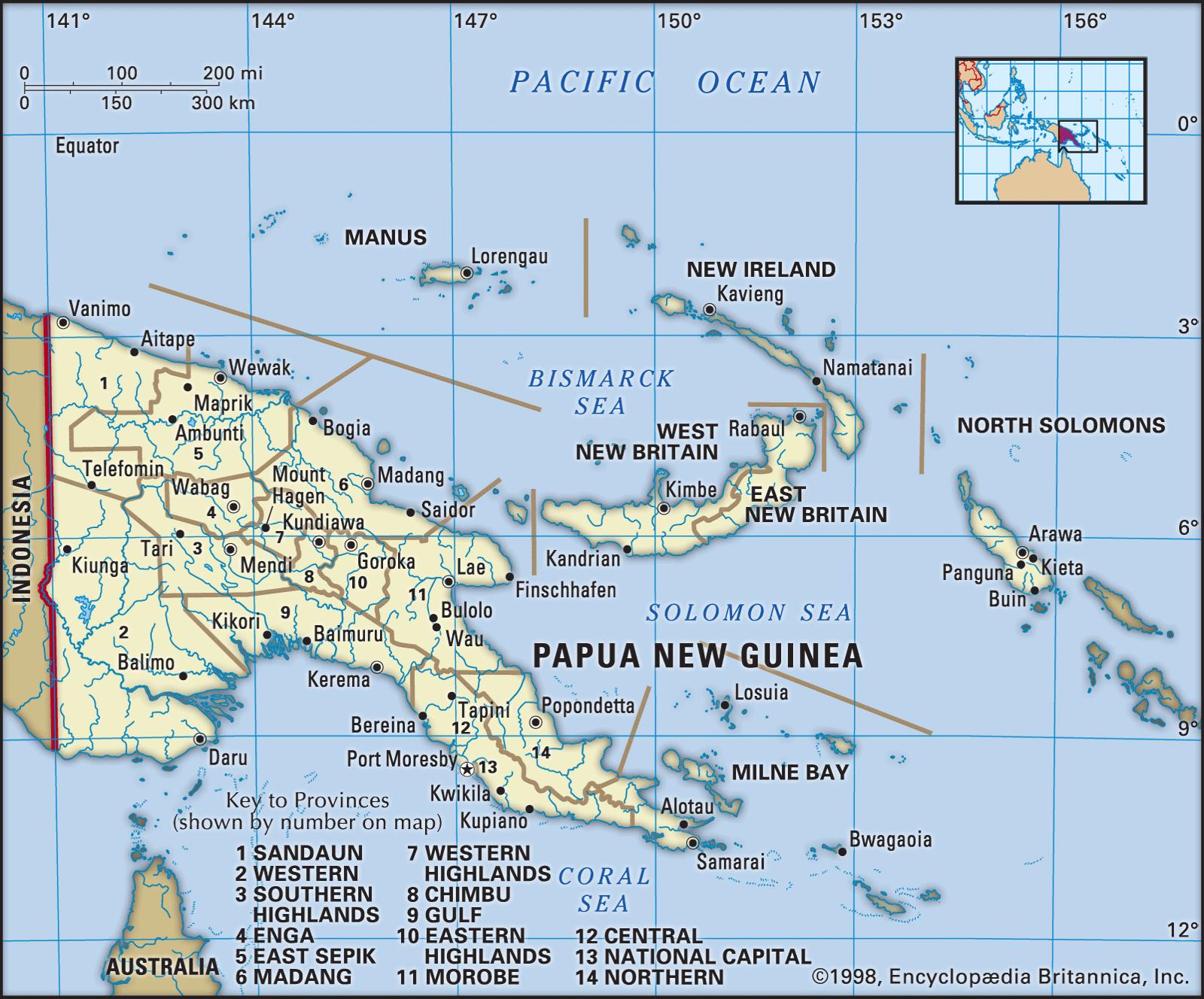
Forging Stronger Defence Partnerships: A Historic Treaty Between Papua New Guinea and Australia
In a significant development for regional security, the government of Papua New Guinea has officially ratified a landmark defence treaty with Australia. This agreement marks a pivotal enhancement in diplomatic relations between the two nations, concentrating on boosting military cooperation and addressing mutual security threats. With escalating geopolitical tensions, particularly due to China’s expanding influence, this treaty is expected to enhance Papua New Guinea’s defence capabilities while solidifying Australia’s role as a key ally in the Pacific region. Leaders from both countries regard this agreement as an essential step towards deeper collaboration and joint efforts to safeguard national and regional interests.
Significant Defence Treaty Between Papua New Guinea and Australia
The recent formation of an important defence treaty between Papua New Guinea and Australia signifies a crucial moment in the strategic landscape of the South Pacific. This accord not only underscores enhanced military collaboration but also highlights shared values aimed at fostering regional stability. The agreement seeks to bolster their response capabilities against various challenges such as natural disasters and transnational crime. Key components of this treaty include:
- Joint Military Exercises: Enhanced training programs designed to improve operational synergy.
- Intelligence Sharing: Increased transparency through collaborative information exchange for more effective security measures.
- Upgrading Defence Infrastructure: Assistance with necessary improvements to military facilities within Papua New Guinea.
This treaty also opens avenues for increased Australian investment in PNG’s defence sector, which will aid in creating local employment opportunities and enhancing skill development initiatives. Both nations are dedicated to tackling common threats such as illegal fishing and drug trafficking that have become increasingly prevalent within their maritime boundaries. The following table summarizes some expected benefits arising from this historic agreement:
| Benefit | Description |
|---|---|
| Tighter Security Measures | A more robust collaborative approach against regional threats. |
Regional Security Dynamics: Navigating Sovereignty Amidst Cooperation
The signing of this crucial defense pact indicates a significant shift within the geopolitical context of the Pacific region. While it strengthens military ties between PNG and Australia, it also raises critical questions regarding broader regional security dynamics.The potential implications include:
- Cohesive Alliances:This agreement may encourage closer relationships among neighboring countries facing similar security challenges, potentially leading to new coalitions across the region.
- Tensions with Global Powers:An increased military footprint could provoke responses from other major powers like China, raising concerns about overall stability.
- Diminished Local Governance:A reliance on foreign military assistance might impact domestic policy-making processes affecting perceptions around national sovereignty.
Acknowledging these long-term implications is essential when assessing how such treaties influence autonomy among Pacific nations along with their inter-regional relationships. As Australian forces establish bases at strategic locations throughout PNG, there’s an urgent need for both PNG and its neighbors to articulate their own security needs without compromising independence or self-determination.
Main considerations include:
| Consideration | Impact on Sovereignty |
|---|---|
| Enhanced Military Collaboration | Potential erosion of local decision-making authority |










