
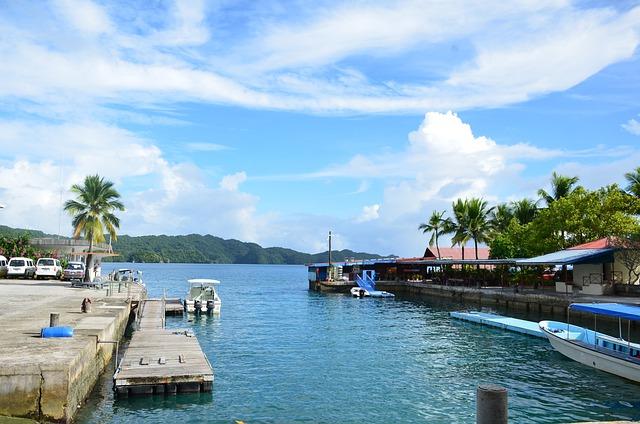
Palau Country Profile: A Look at the Pacific Island Nation
Nestled in the western Pacific Ocean, Palau is an archipelago known for its breathtaking natural beauty, rich cultural heritage, and vibrant marine ecosystems. Comprising over 300 islands, this small nation boasts some of the world’s most pristine waters and diverse wildlife, drawing attention from environmentalists, tourists, and researchers alike. Despite its modest size and population of around 18,000, Palau plays a important role on the global stage, notably in discussions surrounding climate change and ocean conservation. In this comprehensive profile, we delve into Palau’s history, economy, government, and the challenges it faces, highlighting the unique attributes that define this remarkable country.
Palau’s Unique Geographic Landscape and Biodiversity Challenges
palau boasts an extraordinary geographic landscape, characterized by its over 300 islands, many of which are uninhabited and rich in natural beauty. The islands are surrounded by pristine coral reefs and boast unique limestone formations that attract researchers and ecotourists alike.Among its most notable features are:
- Biodiversity hotspots: Home to diverse marine life, including over 1,500 species of fish and 700 species of coral.
- Unique terrestrial ecosystems: With dense jungles and endemic species, such as the Palau fruit dove, found nowhere else on earth.
- Protected marine areas: Initiatives aimed at safeguarding these ecosystems have turned Palau into a model for sustainable conservation efforts.
However, Palau faces significant biodiversity challenges that threaten its unique environments.Climate change poses one of the greatest risks, leading to rising sea levels, increased ocean temperatures, and coral bleaching. Local authorities are increasingly concerned about:
- Invasive species: Non-native flora and fauna disrupting local ecosystems.
- Pollution: Marine debris and plastic waste affecting water quality and wildlife.
- Overfishing: Depleting fish populations and altering marine biodiversity.
| Challenge | Impact |
|---|---|
| Climate Change | Coral bleaching and habitat loss |
| Invasive Species | Threaten native flora and fauna |
| Pollution | Adverse effects on marine life |
| Overfishing | Reduced fish stocks and ecosystem imbalance |
Economic Development Strategies for Sustainable Tourism in Palau
As Palau seeks to balance its economic growth with environmental sustainability, several strategies are essential to foster sustainable tourism. Strengthening local industries can create jobs while preserving cultural heritage. By promoting local artisans and traditional crafts,Palau enhances the visitor experience while empowering its communities. Additionally, eco-certification programs can be implemented for tourism providers, incentivizing environmentally-friendly practices.These initiatives not only attract conscientious travelers but also position Palau as a global leader in sustainable tourism.
Investment in infrastructure is crucial for sustainable tourism development. By enhancing renewable energy systems and improving waste management facilities, Palau can minimize the ecological footprint of its tourism sector. Furthermore, fostering collaboration among stakeholders, including the government, private sector, and local communities, will ensure a comprehensive approach to development. Regular assessments of tourism impacts can guide policy adjustments, ensuring that economic benefits align with conservation efforts, ultimately leading to a resilient tourism economy.
Cultural Heritage Preservation Amidst Modernization Efforts in Palau
As Palau embarks on new pathways of modernization, there’s a growing discourse surrounding the preservation of its unique cultural heritage. The small island nation, renowned for its stunning natural beauty, is simultaneously facing pressures from globalization and tourism development. Efforts are underway to ensure that traditional practices, languages, and customs are upheld in the face of encroaching modernization. Community engagement plays a crucial role,with local leaders and organizations spearheading initiatives aimed at intertwining contemporary development with cultural continuity.
Key components of cultural preservation in palau include:
- The revival of traditional arts and crafts: Workshops and exhibitions promote indigenous artistry while providing economic opportunities.
- Oral history projects: Documenting stories and traditions to pass down through generations is crucial for maintaining identity.
- Regulation of tourism practices: Implementing sustainable tourism policies that highlight and respect cultural sites ensures that heritage remains intact.
To further define these efforts, local government bodies, along with NGOs, are instituting frameworks that allow for the integration of traditional knowledge in educational curricula, fostering pride and awareness among younger generations. This comprehensive strategy highlights the importance of fostering a balance between progress and the invaluable cultural wealth that defines Palau.
The Conclusion
the Republic of Palau stands as a remarkable testament to the resilience and beauty of Pacific island nations. With its rich cultural heritage, stunning natural landscapes, and commitment to environmental conservation, Palau is not only a haven for biodiversity but also a model for sustainable tourism. As it navigates the complexities of modern challenges—from climate change to economic development—Palau’s ability to balance tradition with progress will be crucial for its future. As global attention turns towards the Pacific, Palau’s unique story continues to resonate, offering valuable insights into the importance of preserving both cultural and environmental integrity. Through its proactive policies and community-driven initiatives, Palau remains a pivotal player in the conversation about climate change and sustainability in the region.As we look ahead,it is indeed clear that the legacy of Palau will shape not only its own future but also that of the broader Pacific community.










