
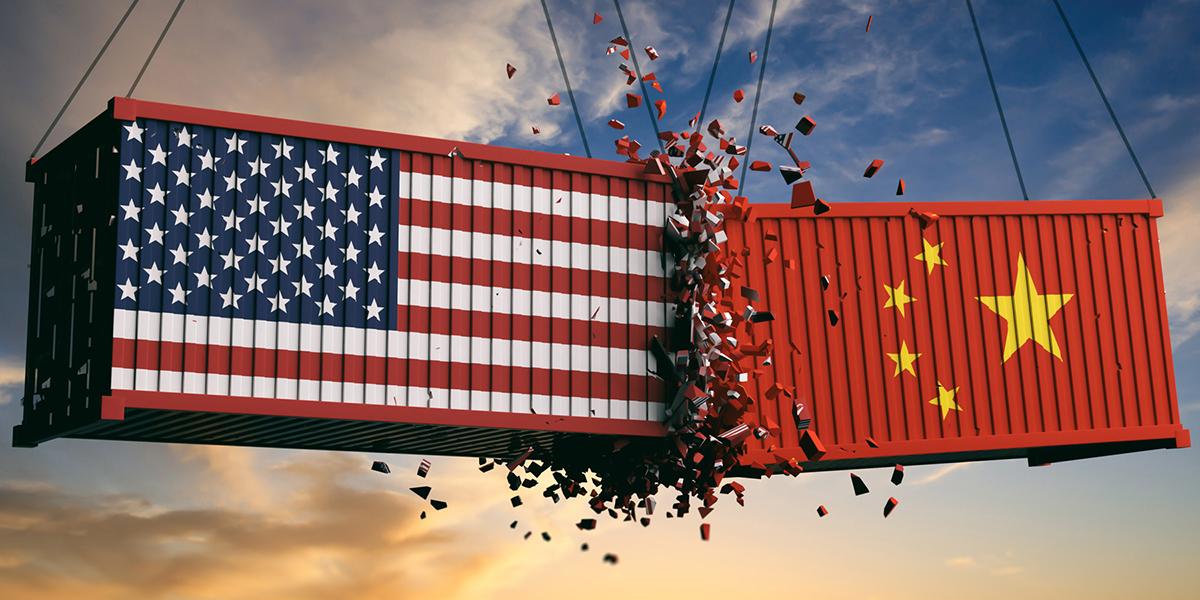
In the heart of the Pacific, a geopolitical struggle is intensifying as the United States and China vie for influence over a remote island paradise that has become a focal point in their broader rivalry. With its strategic location, abundant resources, and growing significance in regional security dynamics, this idyllic locale has drawn the attention of superpowers seeking to assert their dominance in the area. As tensions rise, the implications of this contest extend beyond the shores of the island, affecting alliances, trade routes, and the balance of power in the Indo-Pacific. In this article, we delve into the complexities of this unfolding saga, examining the stakes for both nations and the potential consequences for the local population caught in the crossfire.
US and China’s Strategic Maneuvers in the Pacific Island Dynamics
As tensions rise in the Pacific, both the United States and China are intensifying their strategic maneuvers over pivotal island nations that sit at the crossroads of international shipping routes and regional security. The competition between these two global powers is not just about territorial claims; it represents a battle for influence in a region that is critical for economic and military interests. The U.S.aims to bolster alliances with countries such as Australia, Japan, and New Zealand, leveraging military aid and joint exercises to counter China’s assertiveness.Meanwhile, China is investing in infrastructure projects across various islands, often termed as “debt-trap diplomacy,” to secure legitimacy and control over strategic locations.
The ongoing conflict has led to a unique dynamic where smaller island nations are increasingly finding themselves in the crossfire of this great power competition. Decisions regarding alliances can have profound implications for their sovereignty, economic stability, and security. Some of the key strategies being employed by both sides include:
- US Initiatives: Strengthening defense agreements, promoting democratic governance, and increasing humanitarian aid.
- China’s Approach: Building strategic bases, enhancing economic ties through trade, and offering development assistance.
As both superpowers vie for dominance, the coming years will likely reshape the geopolitical landscape of the Pacific islands, challenging these nations to navigate between competing interests while seeking to maintain their own sovereignty.
Economic Implications of the US-China Competition on Regional Stability
The fierce competition between the United States and China extends beyond mere military posturing,deeply influencing the economic landscape of the Pacific region. As both superpowers vie for influence, local economies are caught in a complex web of investments, trade agreements, and geopolitical pressures that can destabilize conventional economic structures. Countries in the vicinity, notably those exhibiting strategic locations or resources, find themselves maneuvering between the conflicting interests of both nations. This tug-of-war has led to increased foreign direct investment from the U.S. seeking to bolster allies while together, China’s Belt and Road Initiative offers significant financing that can yield short-term economic benefits, but at the potential cost of long-term sovereignty and economic independence.
This competition has sparked significant shifts in regional trade dynamics, prompting nations to reconsider their alliances and economic dependencies. Major economic implications include:
- Increased U.S.Military Spending: Allies may feel pressured to augment their defense budgets, shifting funds away from social programs and public services.
- Trade Disruption: Tariff wars and sanctions lead to unpredictability in markets, impacting local businesses reliant on import-export activities.
- Investment Volatility: Fluctuating foreign investments could result in economic instability for countries trying to navigate the complex landscape.
| Economic Indicator | Impact |
|---|---|
| Foreign Direct Investment | Increased volatility due to competitive bids |
| Trade Agreements | Re-negotiation pressures from both U.S.and China |
| Local Business Growth | Potential opportunities vs. increased competition |
Recommendations for Strengthening Diplomatic Relationships in the Pacific
To enhance diplomatic relationships in the Pacific, it is indeed crucial for both the United States and China to adopt diplomatic strategies that emphasize collaboration and mutual respect with Pacific Island nations. Engagement through culturally sensitive initiatives can serve as a strong foundation. This includes:
- Investment in Local Infrastructure: Prioritizing projects that benefit communities, such as schools, hospitals, and transportation systems.
- Nurturing Education Partnerships: Offering scholarships and exchange programs that foster educational opportunities and cultural exchanges.
- Promoting Environmental Sustainability: Collaborating on climate change initiatives that address the unique vulnerabilities of Pacific Islands.
Moreover, establishing multilateral forums can provide a platform for continuous dialogue and cooperation. These forums should focus on key areas such as trade, security, and regional stability. A potential framework could include:
| Key Focus Areas | Potential Outcomes |
|---|---|
| Trade Agreements | Boosting local economies and ensuring fair trade practices. |
| Security Cooperation | Strengthening regional security against non-traditional threats. |
| Cultural Exchanges | Fostering mutual understanding through arts and heritage programs. |
The Way Forward
As tensions continue to simmer between the United States and China, the strategic importance of the Pacific islands has never been more pronounced. With each nation vying for influence over these picturesque yet geopolitically significant territories, the implications extend far beyond the immediate region. Communities across the islands grapple with the duality of their idyllic environments and the looming prospect of great power rivalry. As global dynamics evolve, observers will be watching closely to see how these developments unfold and what they mean for the future of international relations in the Pacific. The battle for these island paradises is not just a matter of territory, but a reflection of broader ideological, economic, and strategic contests that will shape the region and the world for years to come.










