
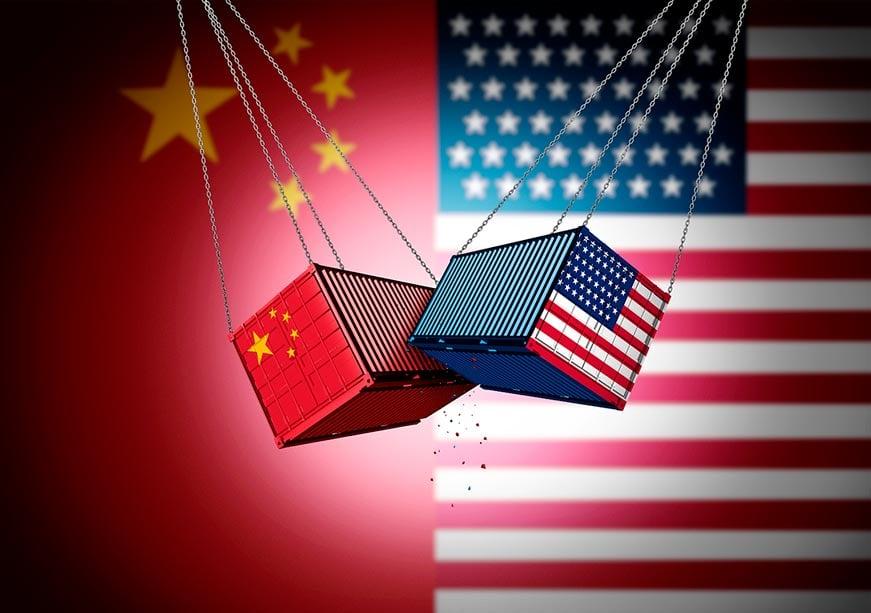
The U.S.-China Competition: An In-Depth Examination of the Pacific Island Dispute
As tensions escalate in the Asia-Pacific region, a significant geopolitical rivalry is unfolding on the breathtaking shores of these island nations. This conflict transcends their stunning landscapes and rich cultural heritages; it revolves around their pivotal role in global power dynamics. The United States and China are locked in a fierce contest for influence over these Pacific islands, where shifting alliances could dramatically reshape the balance of power in an increasingly unstable world. With both countries enhancing their military presence and diplomatic initiatives, they seek to solidify their foothold in this vital area, raising alarms about the future stability of these island nations and overall security across the Pacific. This article delves into various dimensions of this rivalry, examining historical ties, current strategies, and potential ramifications for regional peace.
Importance of Pacific Islands in U.S.-China Relations
The Pacific Islands have emerged as a central battleground amid rising geopolitical tensions between China and the United States. As both powers vie for increased influence within this strategically significant region, these islands serve as potential military bases, crucial trade routes, and diplomatic strongholds. The U.S. has reaffirmed its commitment to this area through numerous initiatives that recognize these islands as essential components for maintaining global stability rather than mere peripheral territories. This growing interest is underscored by China’s expanding investments-notably in infrastructure-that aim to achieve economic growth while furthering territorial ambitions.
Several key factors highlight the strategic importance of these islands:
- Proximity to Major Trade Routes: These islands are situated along vital maritime corridors that facilitate international trade.
- Military Considerations: Control over such territories can enhance military capabilities and also surveillance operations throughout the Pacific.
- Environmental Concerns: Positioned at climate change’s forefront, partnerships with these nations are crucial for effective disaster response strategies and sustainability efforts.
A recent study outlines strategic actions undertaken by key players across selected Pacific Islands:
| Name of Island | U.S. Initiatives | Chinese Engagements |
|---|---|---|
| Samoa | Aid programs addressing humanitarian needs | Cultural exchange programs aimed at strengthening relationships |
| Tonga | Ecosystem restoration projects focused on sustainability | Diversification into telecommunications infrastructure development |
Investment Trends and Infrastructure Development Across the Pacific Region
The competition for influence within the Pacific has intensified as major global players recognize how critical economic investments are alongside infrastructure development efforts. The United States is directing resources toward projects designed to enhance economic resilience while promoting regional collaboration-these include upgrading ports and airports along with establishing renewable energy sources to improve digital connectivity.
Such initiatives not only bolster local economies but also empower island nations to lessen dependence on traditional powers like China or others; thus granting them greater autonomy regarding their economic decisions.
In response to U.S. activities, China has ramped up its engagement through initiatives like Belt & Road targeting various island countries with promises related to infrastructural growth coupled with financial backing.
This competitive landscape manifests itself through:
- Loans provided for large-scale infrastructural developments .
- < strong >Grants aimed at sectoral improvements , including healthcare & education .
- < strong >Tourism investment strategies designed to capitalize on Chinese tourist influxes .
As countries weigh benefits from aligning themselves either with America or Beijing , prioritizing sustainable practices becomes essential ensuring local interests remain front & center .
Strengthening Alliances: Recommendations for U.S Policy Against Chinese Expansionism
To effectively counteract China’s increasing dominance within pacific waters , American policy must focus on nurturing robust alliances among partner states .Strengthening diplomatic relationships not just amongst established allies such as Japan or Australia but also forging new connections particularly involving smaller island entities frequently enough overlooked by larger forces can create unified fronts against external pressures.
Strategies worth considering include:
- < strong >Enhanced Military Collaboration : Joint exercises plus defense agreements will fortify security measures throughout regions .
- < strong >Economic Collaborations : Expanding trade pacts enhances resilience reducing dependencies upon Chinese markets .
- < strong >Regional Infrastructure Projects : Investing directly into developmental schemes across pacific territories strengthens bonds providing alternatives away from reliance upon Beijing’s funding streams .
Moreover , amplifying presence via multilateral platforms (e.g., Quad/ASEAN) ensures collective security interests take precedence moving forward . One impactful area ripe for engagement involves sustainable development projects addressing climate change challenges which hold immense importance given vulnerability faced by many island communities .
Consider implementing approaches such as:
| Action Item | Expected Outcome | |
|---|---|---|
Conclusion: Key Insights Moving Forward Â
As tensions between Washington D.C.and Beijing continue evolving , understanding meaning surrounding pacific nation dynamics becomes increasingly paramount. Ongoing struggles over allegiance highlight complexities inherent within international relations while emphasizing critical roles played by those idyllic paradises amidst broader contexts concerning regional safety/stability .
With both superpowers vying aggressively expand reach into territory previously dominated solely under one another’s sphere ; upcoming years will prove decisive shaping futures ahead not just limited solely territorial claims alone but extending far deeper implications affecting lives lived daily therein too !










