
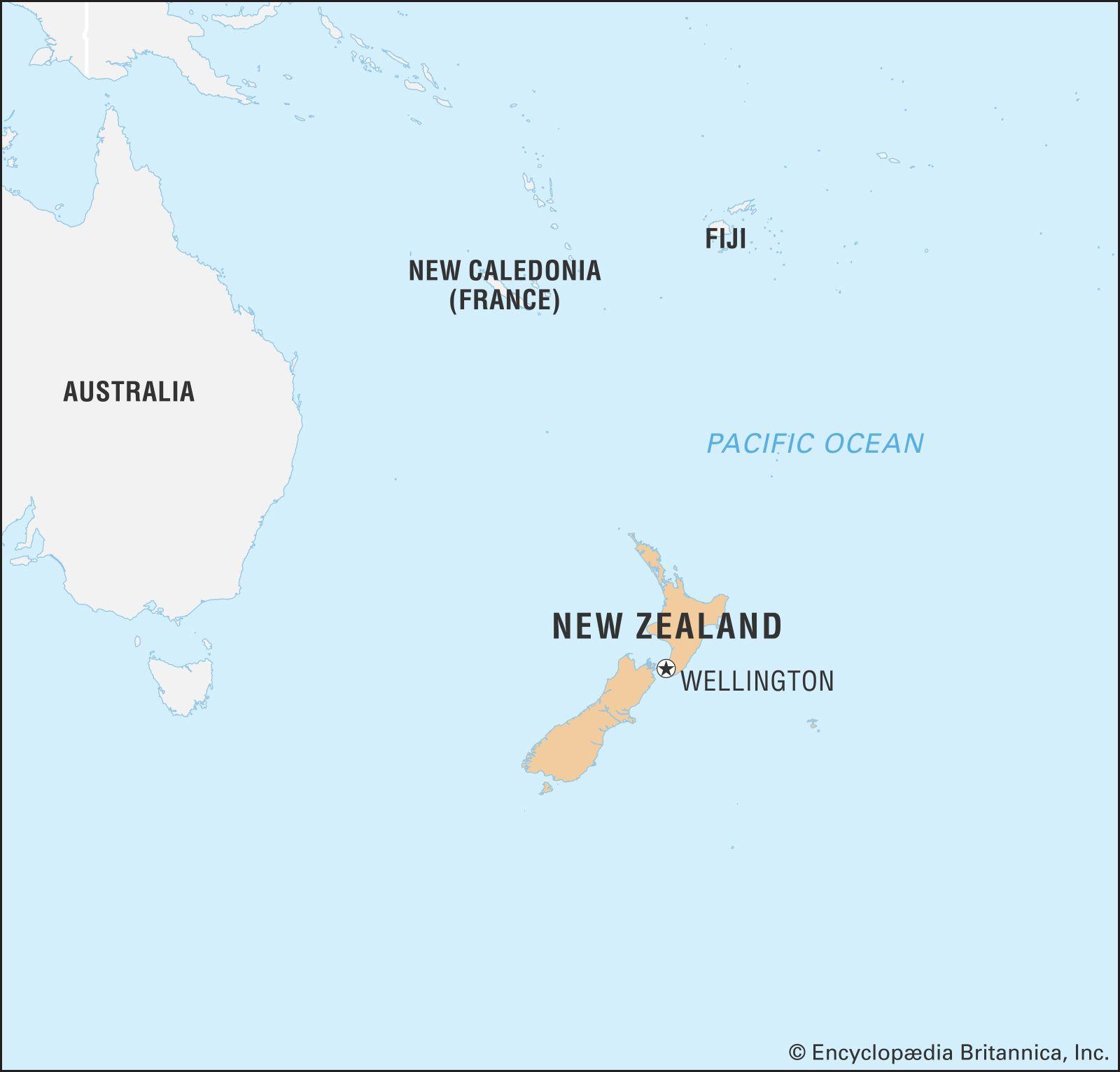
In a significant policy shift, New Zealand has lifted the Ardern-era ban on new oil and gas exploration, marking a pivotal moment in the country’s energy landscape. The decision, announced by the government, aims to bolster domestic energy production and enhance energy security amid global supply challenges. Critics, however, warn that this move could undermine New Zealand’s commitment to combating climate change and achieving its ambitious carbon neutrality goals. As the nation grapples with the balance between economic interests and environmental responsibilities, the implications of this policy reversal are sure to resonate across the political spectrum and the energy industry alike.
New Zealand Reverses Ardern-Era Oil and Gas Exploration Ban Amid Energy Crisis
New Zealand’s government has made a pivotal decision to lift the ban on oil and gas exploration that was established during Jacinda Ardern’s administration. This change comes as a response to the ongoing energy crisis driven by global supply chain disruptions and rising energy costs. Officials believe that reopening these sectors will enhance energy security and potentially stimulate the economy amid increasing pressure from both businesses and consumers for more affordable energy solutions.
The policy reversal is expected to attract investment and revitalize exploration activities in the region. Key points surrounding this development include:
- Energy Independence: The move aims to reduce New Zealand’s reliance on imported fuels.
- Investment Opportunities: The government anticipates increased financial interest in local energy projects.
- Environmental Considerations: While the decision raises concerns about ecological impacts, officials assure that stringent regulations will remain.
Implications for Environmental Policy and Economic Growth in the Pacific Nation
The recent decision to lift the ban on oil and gas exploration heralds significant consequences for environmental policy and economic growth within New Zealand and its neighboring Pacific nations. Advocates for the move argue that increased exploration can bolster national revenue through job creation and investment. However, this shift also raises critical questions about the sustainability of these economic benefits. Experts warn that prioritizing fossil fuel extraction may conflict with ongoing commitments to reduce carbon emissions and combat climate change. The implications are especially profound given the Pacific region’s vulnerability to environmental hazards such as rising sea levels and extreme weather events.
In balancing economic aspirations with environmental stewardship, the government faces a complex challenge. Potential strategies may include:
- Investment in renewable energy: To offset carbon footprints and ensure long-term sustainability.
- Implementing stringent regulations: To minimize ecological impacts during extraction and production processes.
- Engaging local communities: To participate in decision-making, ensuring their concerns and welfare are prioritized.
The tension between economic opportunity and environmental responsibility will likely shape public discourse and policymaking in the years to come, requiring careful navigation to achieve a balance that benefits both the economy and the planet.
Recommendations for Balancing Energy Needs with Climate Commitments Moving Forward
As New Zealand shifts its stance on oil and gas exploration, it is essential to establish a framework that effectively balances energy security with ambitious climate targets. Policymakers must prioritize the transition to renewable energy sources while addressing the nation’s immediate energy demands. Key strategies to consider include:
- Investing in Renewables: Accelerate investments in wind, solar, and hydroelectric power to reduce reliance on fossil fuels.
- Promoting Energy Efficiency: Implement policies that encourage energy conservation across industries and households.
- Fostering Innovation: Support research and development of clean technologies to create sustainable energy solutions.
- Community Engagement: Involve local communities in energy decision-making processes to ensure social acceptance and collaboration.
Collaboration between government, industry, and community stakeholders will be crucial for achieving a sustainable energy future. Establishing clear timelines and measurable goals can help track progress while maintaining transparency. Consider the following practical approaches:
| Focus Area | Action | Impact |
|---|---|---|
| Renewable Adoption | Incentivize solar panel installations | Increased energy self-sufficiency |
| Public Transport | Upgrade electric public transit systems | Reduced urban emissions |
| Carbon Pricing | Implement a carbon tax to deter fossil fuel use | Enhanced funding for green projects |
Future Outlook
In conclusion, New Zealand’s decision to lift the ban on oil and gas exploration marks a significant shift in the nation’s energy policy, signaling a departure from the environmental priorities that characterized Jacinda Ardern’s tenure. This move has attracted a mix of support and criticism, as stakeholders weigh the potential economic benefits against environmental concerns. As the government aims to balance energy needs with sustainability goals, the implications of this policy reversal will likely reverberate across the region and influence the global discourse on energy and climate change. As New Zealand embarks on this new chapter, the ramifications of this decision will be closely monitored by both domestic and international observers, highlighting the ongoing tension between economic development and environmental stewardship.










