
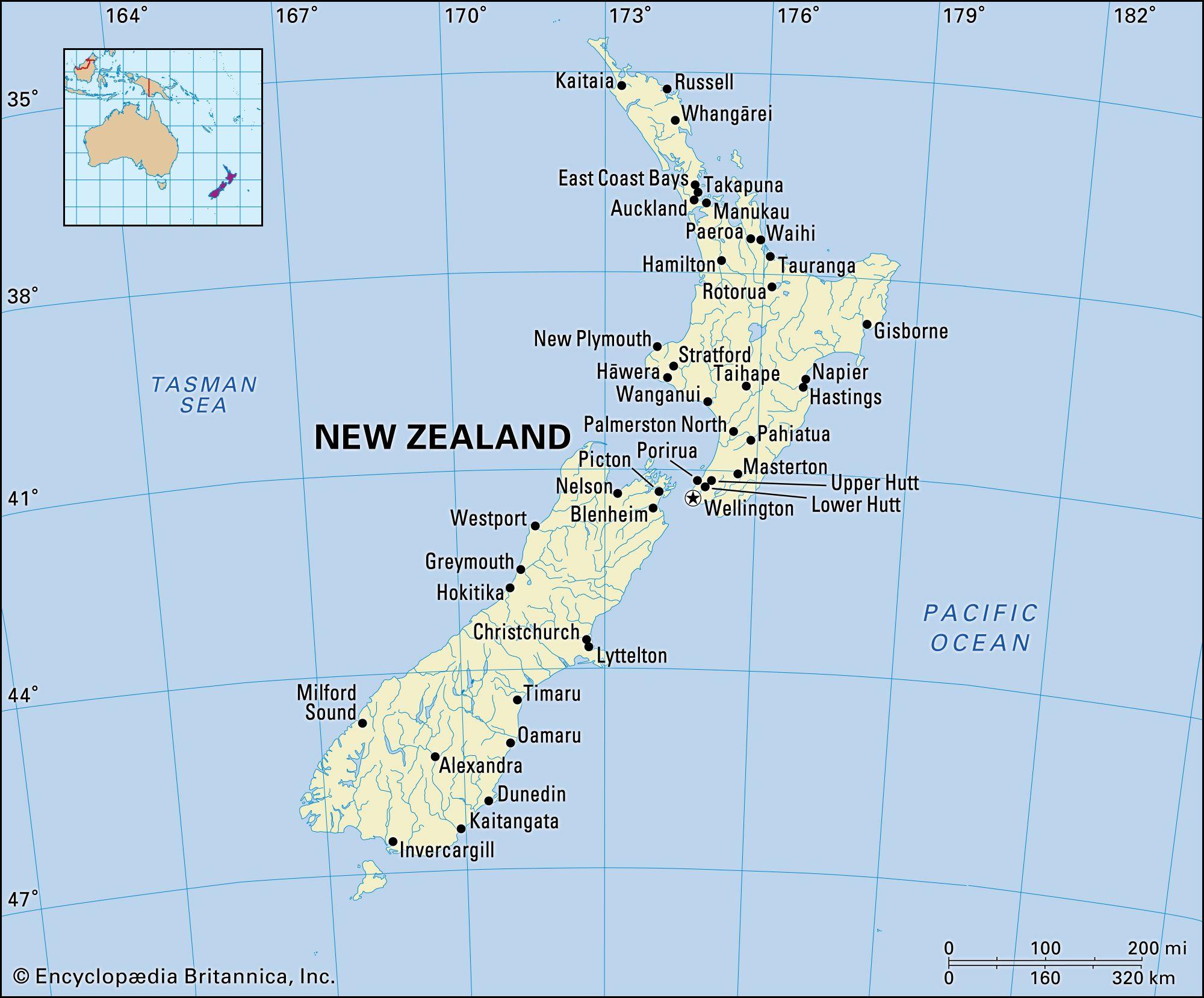
In the face of mounting economic challenges and rising living costs, New Zealand is experiencing a significant demographic shift as unprecedented numbers of residents choose to leave the country. This phenomenon, often referred to as the “hollowing out” of the nation, has raised alarm among policymakers and communities alike, prompting urgent discussions about the implications for the country’s future. With talent departing in search of better opportunities abroad, New Zealand faces a critical juncture as it grapples with issues of workforce sustainability, national identity, and the long-term impact on its economy. This article delves into the underlying factors driving this exodus and examines the responses from government officials and citizens as they confront an uncertain future.
Understanding the Migration Surge: Causes and Impacts on New Zealand’s Economy
As New Zealand faces an unprecedented wave of migration, the underlying causes of this surge reveal a complex interplay of local and global factors. Economic conditions,especially in the context of post-pandemic recovery,are forcing many to reconsider their geographic anchors. Factors such as housing affordability, job availability, and social services play pivotal roles in this migration phenomenon. Additionally, political shifts and policies promoting skilled migration are attracting individuals from around the world, contributing to a diversified workforce yet simultaneously raising concerns about brain drain and the future supply of local talent.
The effects of this increasing emigration trend are becoming palpable within New Zealand’s economy. The labor market experiences a dual challenge: on one hand, businesses struggle to fill skilled positions, while on the other, sectors reliant on lower-skilled workers feel the impact of a shrinking workforce. The table below highlights key sectors affected by migration patterns:
| Sector | Impact of Migration |
|---|---|
| Healthcare | Shortage of nurses and doctors, escalated waiting times |
| Construction | Delays in projects due to lack of skilled tradespeople |
| Technology | Increased competition for tech talent, innovation slowdown |
In navigating this challenging landscape, policymakers must balance attracting newcomers while also supporting local communities that feel the strain of these departures. Further analysis is needed to forecast long-term economic effects, including shifts in GDP growth, changes in consumer behavior, and the sustainability of critical infrastructure. Without careful management, New Zealand risks exacerbating existing inequalities while simultaneously enjoying the benefits that a diverse population can bring.
Strategies for Retaining Talent: Mitigating the Expatriate Exodus in Key Sectors
The escalating trend of expatriates leaving New Zealand, particularly from vital sectors such as healthcare, technology, and education, raises pressing concerns about maintaining a robust workforce. To combat this challenge, organizations must implement strategic initiatives aimed at enhancing employee satisfaction and loyalty. Flexible work arrangements have emerged as one of the most effective tools for retention, allowing employees to balance personal commitments while remaining productive. Additionally, career growth opportunities play a critical role; providing regular training and advancement pathways ensures that employees feel valued and invested in their future with the company.
Moreover, fostering a strong organizational culture that prioritizes employee well-being can significantly mitigate the risk of talent loss. Implementing wellness programs, mentoring schemes, and regular feedback loops can help nurture a sense of belonging and engagement among staff. Organizations may also consider enhancing their compensation packages to remain competitive in attracting top talent. Here is a concise comparison of retention strategies being embraced by companies across New Zealand:
| Strategy | Description | Impact |
|---|---|---|
| Flexible Work Arrangements | Customization of work hours and remote options. | Increases employee satisfaction. |
| Career Development Opportunities | Access to training and clear progression paths. | Enhances employee loyalty. |
| Employee Well-Being Programs | Physical and mental health support initiatives. | Improves overall workplace morale. |
| Competitive Compensation Packages | Attractive salaries and benefits. | Helps attract and retain skilled workers. |
A Path Forward: Policy Recommendations for a Sustainable Future Amid Demographic Changes
The ongoing crisis characterized by significant emigration from New Zealand demands immediate and strategic policy interventions to foster a sustainable future. Policymakers must prioritize initiatives that address the root causes of outmigration while simultaneously revitalizing local communities. Key recommendations include:
- Enhancing Workforce Development: Invest in training programs that align skills with evolving industry needs. Collaborations between educational institutions and businesses can ensure a proficient workforce ready to meet the demands of the future.
- Affordable Housing Initiatives: Implement policies that encourage the construction of affordable housing options to retain young families, thereby stabilizing local economies and communities.
- Promoting Regional Development: Create incentives for businesses to operate in less populated areas, helping to balance demographic shifts and ensure equal opportunity across the nation.
Furthermore, improving the quality of life in urban and rural areas is essential to stem the tide of emigration. Policymakers should consider the following actions:
- Strengthening Social Services: Enhance access to healthcare,education,and community services to foster a societal surroundings where citizens feel valued and supported.
- Environmental Sustainability Initiatives: Promote green policies that focus on sustainability, making New Zealand an attractive destination for those who prioritize eco-friendly living.
- Cultural Engagement Programs: Encourage community engagement and cultural festivities to nurture a sense of belonging and identity among residents.
| Key Policy Areas | Impact on Emigration |
|---|---|
| Workforce Development | Higher employment retention, reduced skill mismatch. |
| Affordable Housing | Increased population stability, appeal for families. |
| Social Services | Improved quality of life, enhanced community support. |
Future Outlook
As New Zealand faces an unprecedented wave of emigration, the implications of this “hollowing out” phenomenon stretch far beyond the immediate economic challenges. With a significant portion of the population seeking opportunities abroad, the country is at a critical juncture, grappling with issues of identity, community cohesion, and sustainability. Policymakers and citizens alike are called to reflect on the values that define New Zealand and to seek innovative solutions that address both the motivations behind this mass exodus and the future of those who remain. As debates continue and strategies evolve, one thing is clear: the nation’s resilience will be put to the test in navigating this uncertain future. How New Zealand responds to this challenge may well shape its character for generations to come.










