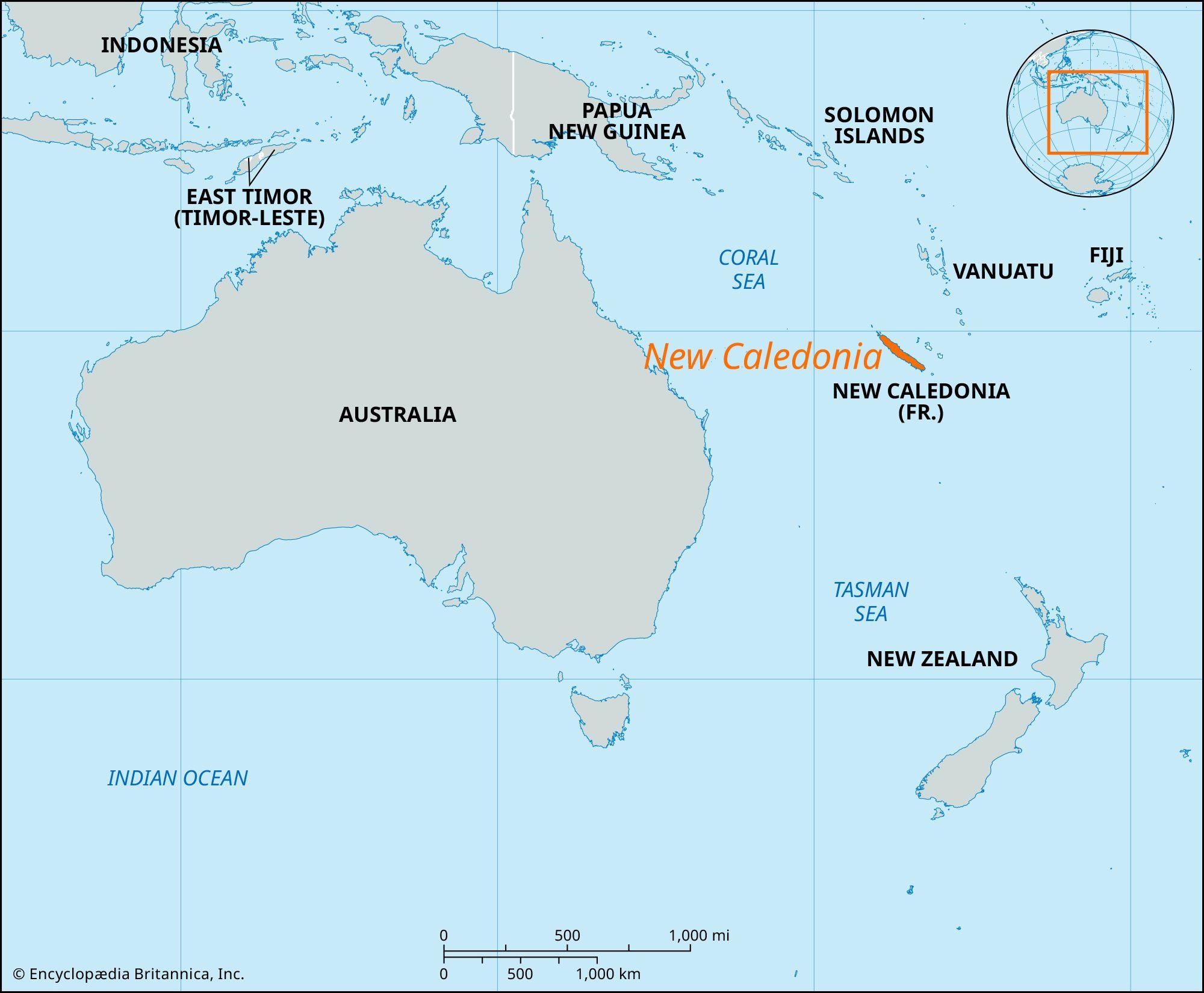
In the past few years, New caledonia has become a important center of political strife and social upheaval in the South Pacific. This French territory, celebrated for its breathtaking scenery and diverse cultural heritage, is facing a myriad of challenges that intertwine issues of identity, self-governance, and economic inequality. As local communities—especially the Kanak people—express their desires for increased autonomy, the fragile equilibrium between national interests and local aspirations is increasingly strained. Amidst referendums, protests, and global attention, it is crucial to comprehend the forces at work in New caledonia to understand broader implications for post-colonial governance and indigenous rights across the Pacific region. This article examines the fundamental elements contributing to current unrest by exploring past contexts and analyzing various stakeholders involved in a struggle that could reshape this island territory’s future.
Analyzing the Political Dynamics of New Caledonia’s Turmoil
The unrest in New Caledonia stems from a complex mix of historical legacies, cultural identities, and economic challenges. Central to this turmoil is an ongoing debate regarding independence from France—a contentious issue that has polarized both indigenous Kanak populations and other community groups. The push for self-determination has been intensified by long-standing grievances related to land ownership rights, preservation of culture, and socio-economic inequalities.Key factors fueling this unrest include:
Colonial Heritage: The lingering effects of French colonialism continue to shape local governance structures and individual identities.
economic Disparities: A significant divide between Kanak communities and settlers perpetuates social tensions.
Lack of Political Representation: many citizens feel marginalized within decision-making processes at both regional and national levels.
The political landscape becomes even more intricate with the impending expiration of the Nouméa Accord—a framework designed for potential independence that allowed greater autonomy but also fostered distrust among different factions due to its limitations. As discussions about future governance unfold, there remains a high risk for violence if grassroots movements perceive any betrayal regarding promises made during negotiations.The following table illustrates current political dynamics:
Causal Factor
Effect on Unrest
Cultural Grievances
Spark demands for independence.
Economic Inequality
Arouses discontent among disadvantaged groups.
Environmental Issues
<
td>Irritate protests against mining operations.
<
h2 id = "assessing-the-economic-consequences-of-independence-movements" > Assessing Economic Consequences Linked with Independence Movements< / h2 >
<
p > The economic framework within New Caledonia is closely linked with its political status as well as ongoing movements advocating independence.As discussions surrounding self-governance intensify,the potential impacts on employment rates,infrastructure investments,and international trade are becoming increasingly evident.Stakeholders must evaluate how shifts in governance may influence key sectors such as nickel extraction,tourism,and agriculture—all vital components driving New Caledonia’s economy.A change in political structure could prompt reassessments concerning foreign investments as businesses weigh instability risks against growth opportunities presented by an autonomous nation.< / p >
<
p > Furthermore,the financial ramifications associated with independence extend beyond immediate economic evaluations.Raising critical questions about resource distribution,social services,and infrastructure development will be essential.For example,in case New Caledonia achieves full sovereignty,it would necessitate careful negotiations regarding resource ownership ensuring revenues from resources like nickel effectively benefit local communities.The following table outlines projected shifts in key economic indicators contingent upon outcomes from upcoming referendums:< / p >
Navigating these turbulent waters requires policymakers’ close attention not only towards immediate economic consequences but also towards broader socio-political contexts.Fostering community engagement while promoting dialog among diverse groups will be pivotal when shaping stable pathways forward regardless of political outcomes.The long-term outlook hinges not solely on short-term reactions but also aligning strategies addressing public aspirations while ensuring resilience throughout any transitional phase.
Approaches to Promoting Dialogue & Reconciliation Within New Caledonia
Pursuing dialogue along reconciliation efforts necessitates creating environments where varied perspectives can be acknowledged effectively.Community forums represent essential platforms facilitating discussions around grievances alongside aspirations;these gatherings should actively involve indigenous Kanak leaders,youth representatives,and civil society members.Additionally,educational initiatives aimed at enhancing cultural understanding can bridge divides through workshops focused on conflict resolution techniques equipping participants with constructive skills necessary when addressing differences constructively.
An equally vital strategy involves establishing partnerships between regional authorities alongside national governments ensuring all stakeholders possess vested interests throughout reconciliation processes.This collaboration may lead toward policy measures reflecting demographic diversity present within new caldonians’ society.Furthermore,introducing transparency initiatives allowing citizens oversight over progress monitoring accountability amongst authorities proves crucial.The subsequent table highlights potential stakeholder involvement during these dialogues:
{
{
{Stakeholder Group}
{
{Role}Looking Ahead: Future Prospects
The complexities surrounding New Caledonian pursuits toward self-determination encapsulate larger global themes involving colonial histories along Indigenous rights intertwined geopolitics.As these islands chart their course ahead,the interaction between localized ambitions versus external influences will play an instrumental role shaping their destiny.Recent disturbances highlight pressing needs fostering dialogues reconciling all parties engaged.Watching closely worldwide observers should remain alert since new caldonians’ journey might serve pivotal case studies informing similar territories grappling identity struggles seeking autonomy ahead filled challenges yet promising transformative possibilities testament resilience inherent populace Fair Observer shall continue tracking developments shedding light intricate dynamics unfolding unique pacific region.