
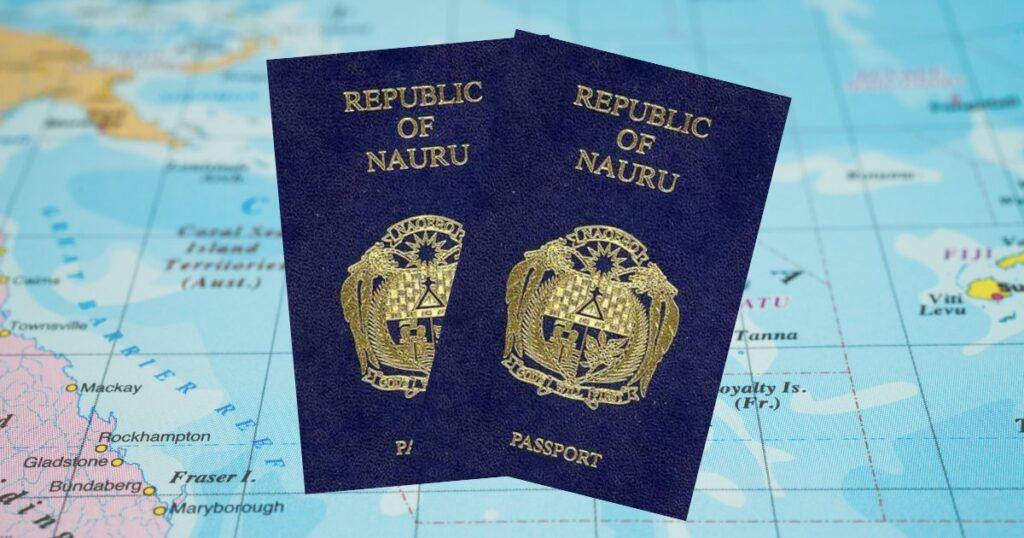
Will Selling Passports for $105,000 Save the Island of Nauru?
As the world grapples with the economic fallout of the pandemic adn climate change continues to threaten its very existence, the small pacific island nation of Nauru is exploring a controversial lifeline: the sale of citizenship. For a price tag of $105,000, foreign nationals can acquire Nauruan passports, a move officials claim could inject much-needed revenue into the country’s struggling economy. Though, this bold initiative raises a host of questions about the implications for Nauru’s sovereignty, its international reputation, and the long-term consequences for its inhabitants. In this article, we delve into the challenges facing Nauru, the motivations behind the passport program, and the potential repercussions for a nation that has seen better days.
Exploring the Viability of Nauru’s Passport Sales as a Financial Lifeline
In a bold move to address its economic challenges, Nauru has turned to an unusual financial strategy: selling its passports to affluent foreign nationals for $105,000 each. This initiative emerges amid severe financial strains faced by the island nation, driven by declining revenue from its phosphate mining operations and minimal tourism income. The government argues that this scheme could provide vital funding for public services and infrastructure development, ultimately aiming to secure a more lasting future. Supporters of the initiative assert that the program could attract a critically important influx of capital, which could be reinvested in critical areas such as healthcare, education, and environmental protection.
Though, this approach raises several vital questions regarding its long-term viability and implications for national identity. Critics caution that while the immediate financial benefits seem promising, the potential risks—including the commodification of citizenship and the concerns regarding political influence from wealthy foreign investors—cannot be overlooked. Furthermore, the long-term economic stability of Nauru may still hinge on broader strategies such as diversifying its economy or increasing its productivity in other sectors. To better understand the potential impact of this policy, the following table outlines key factors to consider:
| Factor | Implication |
|---|---|
| Economic Revenue | Boosts short-term finances. |
| Political Influence | Risk of foreign interests impacting local governance. |
| National Identity | Fears of commodifying citizenship. |
| Sustainability | Need for diverse economic strategies. |
Economic Implications and Ethical Considerations of Passport Sales for Nauru
The financial landscape of Nauru,a small island nation heavily reliant on foreign aid and dwindling phosphate reserves,has pushed its government to consider selling citizenship through passport sales. This scheme, priced at $105,000, aims to address pressing economic challenges by capitalizing on the growing demand for alternative citizenship among global investors. Economic benefits include potential revenue influx,job creation in associated service sectors,and increased visibility in the international domain. though, this strategy raises concerns about the island’s integrity as a sovereign nation and risks commodifying citizenship, which could dilute its value and social fabric.
Ethically,the implications of such a program are profound. It invites a debate about the morality of selling citizenship in exchange for monetary gain,perhaps prioritizing financial interests over communal and cultural values. Critics argue that it may attract individuals solely seeking to exploit advantages without a genuine connection to Nauru.additionally, there is a risk of exploitation, where the wealth gap could widen between those who can afford citizenship and the local populace. To encapsulate this duality of opportunity and ethical dilemma, a table below outlines the key factors in this controversial decision:
| Consideration | Pros | Cons |
|---|---|---|
| economic Growth | – Diversified income | – Dependence on citizenship sales |
| Community Impact | – Job creation | – Potential cultural dilution |
| Global Recognition | – increased visibility | – Risk of negative perceptions |
Recommendations for Sustainable Development Beyond Passport Revenue
While the sale of passports may provide a short-term influx of cash for Nauru, it is essential to consider diversified strategies for sustainable economic development. Investing in renewable energy can position Nauru as a leader in sustainable practices, reducing dependence on imported fossil fuels. The island’s geographical location presents opportunities for harnessing solar and wind energy, which could not only meet local needs but also potentially supply energy to neighboring regions. Additionally, fostering eco-tourism can capitalize on nauru’s unique natural landscapes and cultural experiences, attracting travelers looking for environmentally conscious travel options.
Moreover, enhancing education and vocational training programs can empower the local population with the skills needed for a transitioning economy. By promoting sectors such as agriculture, aquaculture, and small-scale manufacturing, Nauru can nurture a more resilient and self-sufficient community. A proactive approach in creating partnerships with international organizations and non-profits focused on sustainable development can provide technical assistance and funding for innovative projects. Below is a table summarizing potential initiatives:
| Initiative | Focus Area | Benefits |
|---|---|---|
| Renewable Energy Investment | Energy Sustainability | Reduced energy costs, lower carbon footprint |
| Eco-Tourism Development | Tourism | Job creation, environmental conservation |
| Vocational Training Programs | Education | Skilled workforce, economic diversification |
| Partnership with NGOs | Community Development | Access to resources, expert guidance |
Wrapping Up
the decision to sell citizenship passports for $105,000 in Nauru represents a bold and controversial strategy aimed at addressing the island nation’s pressing financial challenges. Critics argue that this approach could undermine the integrity of citizenship and raise ethical concerns, while proponents believe it may provide a much-needed influx of capital to fund essential services and infrastructure. As Nauru navigates this complex issue, the long-term implications of such a policy remain uncertain. Will the benefits outweigh the risks,or will it led to unforeseen consequences that could jeopardize the island’s sovereignty and social fabric? Only time will tell as Nauru embarks on this unprecedented journey in search of financial stability amidst global scrutiny.










