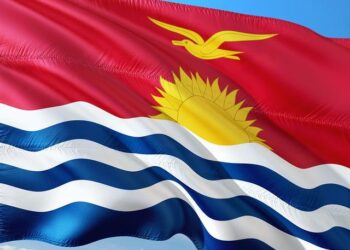
As global power dynamics continue to shift,the small yet strategically significant region of Micronesia has emerged as a potential flashpoint in the escalating rivalry between the United States and China. With its location at the crossroads of the Pacific and its proximity to vital shipping routes, Micronesia is increasingly drawing the attention of both superpowers, each eager to reinforce its influence in the Indo-Pacific. in this backdrop, the heart of Micronesia’s political landscape is undergoing a change, as leaders navigate the delicate balance of securing partnerships that promise economic benefit while resisting the pressures of geopolitical competition. This article delves into the intricate web of diplomacy, local sentiment, and international strategy that positions Micronesia as a critical theater in the ongoing contest for regional supremacy.As tensions mount and alliances are forged, Micronesia stands at the precipice of becoming a pivotal player in the 21st-century global arena.
Strategic Significance of Micronesia in US-China Relations
Micronesia has emerged as a focal point in the evolving dynamics of US-China relations, driven by its strategic location in the Pacific. The region’s significance is underscored by several factors that make it a potential flashpoint for geopolitical rivalry. First, its proximity to critical maritime routes enhances its importance in military logistics and trade.Second, the ancient ties between the United States and the Federated States of Micronesia, established through the Compact of Free Association, provide the US with a strategic ally in countering Chinese influence, which has been expanding through investments and diplomatic outreach in the Pacific.
China’s increasing assertiveness in the region sends a clear signal that Micronesia is positioned at the heart of a broader contest for regional dominance. As both nations vie for influence, key points of interest include:
- Military Presence: The potential for establishing military bases or expanding existing facilities enhances defense capabilities.
- Economic Advancement: Investments in infrastructure and economic initiatives can sway public opinion and increase dependencies.
- Diplomatic Engagement: Efforts to build relationships with local leaders and communities may shift allegiances.
As the stakes grow, the future of Micronesia will likely depend on how effectively the US can navigate these complex interactions, balancing its commitments while countering a rising China that seeks to establish itself as a dominant force in the Pacific.”
Challenges in Ensuring Regional Stability and Sovereignty
The dynamics of regional stability in Micronesia are increasingly tested by the complex interplay of external powers. The strategic interests of the United States and China have intensified, leading to a battleground of influence that jeopardizes the sovereignty of the micronesian nations. Small island nations like the Federated States of Micronesia, Palau, and the Marshall Islands ofen find themselves at a crossroads, trying to navigate the pressures from two of the world’s most powerful nations. As they seek economic assistance, infrastructure development, and security assurances, these nations risk becoming pawns in a larger geopolitical game, wherein their own national interests might potentially be overshadowed by the broader ambitions of their benefactors.
In addition to external pressures, internal challenges further complicate the quest for stability and sovereignty. Issues such as limited economic resources, climate change, and political fragmentation create a precarious foundation for governance. The impact of rising sea levels threatens livelihoods, while the dependence on foreign aid fosters a lack of self-determination. Moreover, the region grapples with the influence of social media and misinformation, which can exacerbate divisions within these small communities. Without a coherent strategy that prioritizes both regional autonomy and sustainable development,the prospect of maintaining stability in Micronesia remains uncertain,as competing interests continue to shape its future.
Recommendations for Enhancing US Engagement and Support in Micronesia
To bolster its presence and influence in Micronesia, the United States must implement a multifaceted strategy that prioritizes meaningful partnerships with local governments and communities. Strengthening diplomatic ties is essential; establishing regular high-level dialogues can foster mutual understanding and collaborations on critical issues such as climate change, economic development, and health care.Moreover, the US should enhance its development assistance programs to ensure they are tailored to the unique needs of Micronesian nations, promoting sustainable development and resilience against external pressures. Investment in education and vocational training can empower Micronesian youth, creating a skilled workforce that aligns with regional job demands and reduces the susceptibility to external influence.
Additionally, the United States should leverage its existing military and strategic assets in the region to showcase its commitment to Micronesia’s security. This could involve increased military exercises and training programs, designed not only to reinforce defense capabilities but also to cultivate closer ties among allied forces in the Pacific. Furthermore, establishing a cooperative framework for intelligence sharing on maritime security could enhance Micronesia’s ability to respond to illegal fishing and trafficking, which are increasing concerns in the region. Lastly, the US should actively engage in cultural exchange initiatives that promote an inclusive narrative of shared history and values, fostering a sense of community and partnership that further solidifies these alliances against potential foreign influence.
Future Outlook
the shifting geopolitical landscape underscores the importance of Micronesia in the broader U.S.-China rivalry. As both nations vie for influence in this strategically significant region,understanding the dynamics at play becomes essential. The potential ramifications for local governance, regional stability, and global trade routes are immense. With China expanding its footprint and the U.S. reinforcing its commitments, Micronesia stands at a crossroads, navigating the complexities of great power competition. As this contest unfolds, the implications for the people of micronesia, and the international community at large, will warrant close observation in the coming years. As we reflect on the strategic stakes, one thing is clear: Micronesia’s role in the Pacific theater will continue to shape the contours of international relations in an era defined by rivalry and cooperation.