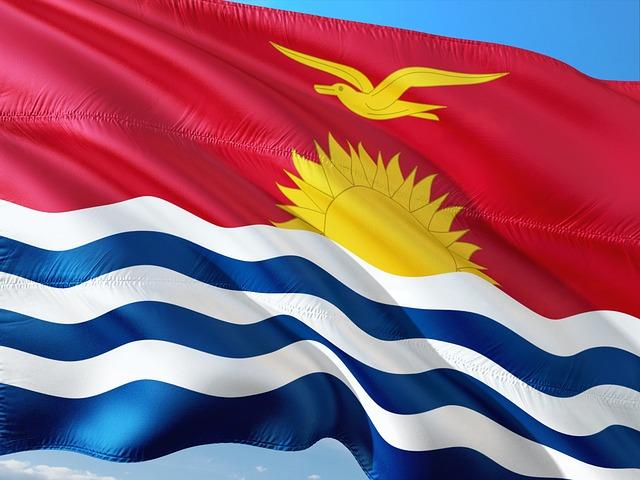
In a significant upheaval within regional diplomacy, Kiribati has announced its withdrawal from the Pacific Islands Forum (PIF), a decision that has sent shockwaves through the Pacific community. The move, which comes amid ongoing tensions surrounding issues of governance and representation, underscores the growing fractures within the organization that has long served as a cornerstone for political cooperation among Pacific Island nations. This departure not only raises questions about the future cohesion of the Forum but also highlights the complex challenges facing small island states in an increasingly volatile geopolitical landscape. As regional leaders grapple with the implications of Kiribati’s exit, the PIF finds itself at a critical crossroads, navigating the delicate balance between unity and individual national interests.
Kiribati’s Withdrawal and Its Implications for Regional Unity
The recent decision by Kiribati to withdraw from the Pacific Islands Forum (PIF) marks a significant turning point for regional diplomacy, raising questions about the future cohesion of Pacific nations. This move has been interpreted as a response to increasing frustrations over leadership dynamics within the forum and perceived sidelining of smaller island nations in favor of larger players. The implications for regional unity are profound, as Kiribati’s absence could potentially embolden other nations to reconsider thier positions in multilateral frameworks, thereby undermining collective bargaining power in critical areas such as climate change and economic development.
Moreover, the departure could create a ripple effect, straining relations among member states and jeopardizing established initiatives aimed at addressing pressing regional issues.Economic cooperation, security collaborations, and environmental strategies are at stake as the forum tries to maintain its relevance and effectiveness in a rapidly changing geopolitical landscape. The challenge now lies in reassuring smaller nations that their voices will be heard and that the forum can adapt to meet the diverse needs of all its members. As regional leaders navigate this tumultuous phase, the potential for fragmentation looms large, underlining the urgent need for inclusive dialogue and sustained commitment to unity amongst pacific nations.
Challenges Facing the Pacific Islands Forum Amidst Geopolitical Tensions
The recent withdrawal of Kiribati from the Pacific Islands Forum marks a significant escalation in the ongoing geopolitical tensions that have been reshaping regional dynamics. This situation highlights the fragile nature of multilateral cooperation among Pacific island nations,a region increasingly influenced by the competing interests of global powers,particularly the United States and China. Kiribati’s exit raises concerns about the future functionality of the Forum and the collective ability of Pacific nations to address pressing issues such as climate change,economic development,and security.
Several key challenges emerge as the Pacific Islands Forum navigates this turbulent landscape:
- Fragmentation of Unity: The departure of member states undermines collaborative efforts and weakens the Forum’s mandate.
- Increased Influence of External Powers: Nations like China actively engage in the region, offering economic incentives that complicate customary alliances.
- Climate Change Response: Without a strong, united front, island nations may struggle to advocate for necessary global action to combat environmental threats.
- Economic Viability: The withdrawal of Kiribati could lead to diminished financial stability within the Forum, impacting various regional development initiatives.
Strategic Recommendations for Revitalizing Regional Cooperation in the Pacific
In light of Kiribati’s recent withdrawal from the Pacific Islands Forum,revitalizing regional cooperation necessitates a multifaceted approach that addresses underlying tensions while fostering collective resilience. Engagement initiatives should concentrate on strengthening diplomatic channels through regular high-level meetings among Pacific leaders. This could include the establishment of a forum for dialogue focused on shared challenges such as climate change, economic instability, and public health. Reinstituting trust will also involve acknowledging and addressing the specific concerns of member nations regarding governance and representation within the forum.
Furthermore, enhancing economic collaboration is essential for bolstering regional ties. The creation of joint economic projects, particularly in sectors like renewable energy and sustainable fisheries, could serve as a powerful incentive for cooperation.Investment in capacity building and technical assistance can empower member nations, ensuring they can effectively engage with and benefit from regional mechanisms. Additionally,establishing a mechanism for conflict resolution could provide a platform for addressing grievances and maintaining unity among the diverse states in the Pacific,ultimately steering the community toward more cohesive action and solidarity.
Insights and Conclusions
Kiribati’s departure from the Pacific Islands forum marks a significant setback for regional unity and cooperation amid escalating geopolitical tensions in the Pacific. The decision underscores underlying divisions and highlights the challenges the forum faces in addressing the diverse interests of its member states. As the Pacific grapples with pressing issues such as climate change and security, the vacuum left by Kiribati’s exit raises questions about the future effectiveness and cohesion of the organization. moving forward, the ability of the Pacific Islands Forum to adapt and respond to the evolving landscape will be crucial in maintaining its relevance and fostering collaboration among its remaining members. The implications of this withdrawal will undoubtedly reverberate through the region as stakeholders reassess their diplomatic and strategic priorities in the Pacific.