
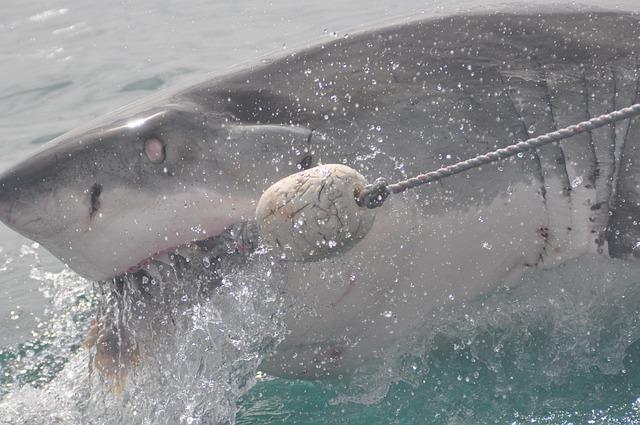
shark Attacks in Hawaii spike in October: Scientists Unravel the Mystery
As the sun sets over the pristine shores of Hawaii, the tranquil waters play host to a curious phenomenon: a noticeable increase in shark attacks during the month of October. This annual spike has drawn the attention of scientists and beachgoers alike, prompting investigations into the environmental factors behind the heightened encounters. with an array of theories ranging from the migratory patterns of marine life to changes in ocean temperature, researchers are delving into the complex interplay of nature that may explain why these apex predators are more active during this time of year. In this article, we explore the latest findings and expert opinions on the October surge in shark attacks, shedding light on the intricate behaviors of sharks and their interactions with humans in Hawaii’s idyllic waters.
Understanding the Seasonal Patterns of Shark Attacks in Hawaii
The waters surrounding Hawaii are known for their beauty and biodiversity, but they also serve as a battleground for predator and prey interactions. As the calendar shifts to October, local authorities and scientists have observed a notable increase in shark attacks, correlating with environmental and biological factors. During this month, the ocean’s temperature peaks, creating ideal conditions for both sharks and their prey. These sharks, notably species like the tiger and reef shark, are drawn to the coastal areas in search of food as their primary prey, including fish and sea turtles, become more active. This increased feeding frenzy can lead to heightened encounters with humans in the water.
Researchers have identified several key factors influencing this seasonal surge in shark activity:
- prey Abundance: October coincides with the spawning season for various fish, attracting sharks to areas where food is plentiful.
- Water Temperature: Warmer waters can enhance shark metabolism and hunting behavior.
- Nearshore Activities: With agreeable weather conditions, more surfers and swimmers enter the water, increasing the likelihood of shark encounters.
Understanding these patterns not only aids in predicting shark behavior but also helps in formulating safety measures for ocean enthusiasts enjoying Hawaii’s stunning beaches.
Scientific Insights into the Increase in Shark Incidents
Recent research has shed light on the factors contributing to the rise in shark incidents, particularly in Hawaii during the month of October. Scientists have identified several key elements that converge during this time, creating an environment conducive to increased shark activity. Notably, the influx of oceanographic changes, including shifting water temperatures and currents, plays a meaningful role. These variations can disrupt the typical behavior of both prey and predator, leading to more frequent encounters between sharks and humans.
Additionally, the seasonal migration patterns of fish species, which sharks prey on, further influence this phenomenon. As the waters cool and certain fish schools become more concentrated closer to shore,sharks follow suit. This results in a higher likelihood of shark-human interactions. Experts emphasize that, with the combination of environmental factors and human activities such as increased ocean recreational activities during the fall, awareness and safety measures are crucial.The public is urged to stay informed about these dynamics to minimize risks while enjoying Hawaii’s beautiful coastal waters.
Safety Recommendations for Ocean Enthusiasts During October
As the ocean temperatures begin to cool and marine activity shifts in October, ocean enthusiasts are encouraged to take precautionary measures while enjoying the water. The increase in shark sightings and encounters during this month emphasizes the need for heightened vigilance. Experts suggest the following safety tips to minimize risks:
- Stay in Groups: Sharks are less likely to approach groups of peopel.
- Avoid Dusk and Dawn: These times are peak feeding periods for sharks.
- Refrain from Wearing Shiny Jewelry: The reflections can resemble fish scales.
- Limit Splashing: Excessive movement can attract sharks.
- Heed Local Warnings: Pay attention to advisories from lifeguards and local authorities regarding shark activity.
Additionally, maintaining awareness of your surroundings is crucial when in the water. Keep an eye out for schools of fish or any surface disturbances, as these may indicate the presence of predators. If you spot a shark, remain calm and slow your movements to avoid provoking it. Adopting more conservative swimming practices can make a significant difference in ensuring a safe experience as you enjoy the beauty of Hawaii’s waters during this busy season.
Key Takeaways
As we delve into the complexities of shark behavior and human encounters, October’s surge in shark attacks in Hawaii adds a layer of urgency to ongoing research. Scientists attribute this spike to a convergence of seasonal factors, including changes in water temperature and the migration patterns of prey species.Understanding the underlying reasons can enhance awareness and safety measures for beachgoers, but it also emphasizes the importance of respecting these apex predators and their habitats. As researchers continue to unravel the mystery of these attacks, the key takeaways remain: knowledge is power, and education about oceanic ecosystems is essential. The balance between coexistence and safety is delicate, and as we navigate these waters, fostering a deeper gratitude for Hawaii’s marine life is crucial. For now, vigilance is advisable as we monitor events in the coming weeks, hoping for a peaceful resolution to an age-old phenomenon.










