
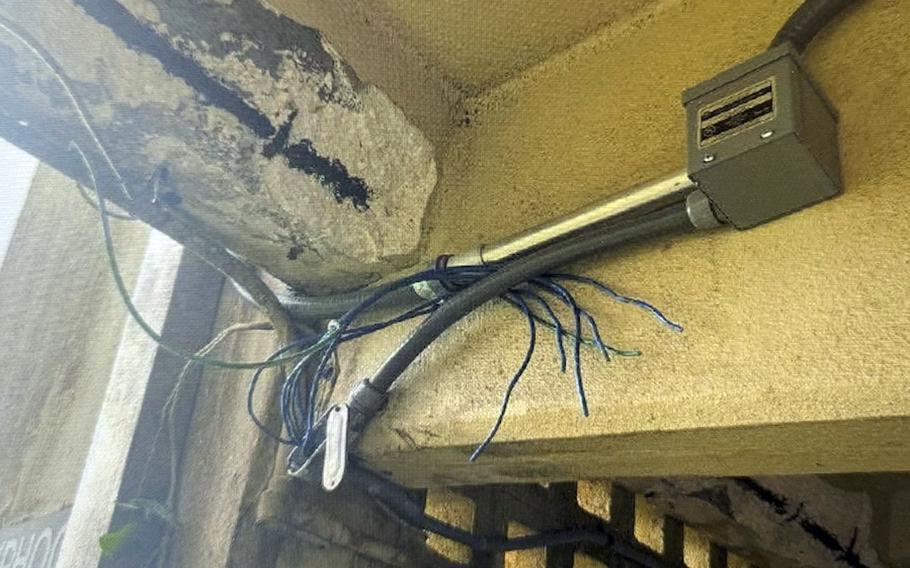
Navy Launches Comprehensive Housing Assessments in Response to Guam Barracks Issues
In response to alarming reports about the living conditions for military personnel stationed in Guam, the U.S. Navy has initiated a thorough evaluation of housing across all military facilities. This initiative follows Secretary of the Navy Carlos Del Toro’s recent visit to the island, where he raised significant concerns regarding what he described as “unacceptable” barrack conditions. The inspections aim to ensure that all housing meets established standards and provides a safe and functional environment for service members. Commanders have been directed to carry out comprehensive assessments focusing on safety, sanitation, and overall livability.
The Navy has outlined several primary objectives for these evaluations:
- Assessing Structural Integrity: Inspecting buildings for physical soundness to reduce safety hazards.
- Health and Sanitation Standards: Ensuring that living quarters are clean, well-maintained, and free from pests.
- Verification of Essential Utilities: Confirming reliable access to basic services such as water and electricity.
The results from these inspections will be compiled into detailed reports submitted to Navy leadership, facilitating prompt action when deficiencies are identified. This initiative underscores a renewed commitment by the Navy towards prioritizing its personnel’s welfare while acknowledging that morale is closely tied to their living conditions.
Effects of Poor Living Conditions on Service Members and Their Families
The recent directive for inspections emphasizes an urgent need for improved housing within military installations, particularly in Guam. Acknowledging distressing reports about inadequate accommodations, Secretary Del Toro expressed his disappointment after witnessing firsthand the deteriorating state of barracks. This issue extends beyond administrative concerns; it directly affects service members’ well-being as well as their families’. Substandard living conditions can lead not only to psychological stress but also physical health problems-factors that can significantly diminish morale among troops who should be focused on serving their country without worrying about their home environment.
Tackling these inadequate living situations is essential not just for enhancing quality of life but also for maintaining operational readiness within the forces. The proactive measures taken by the Navy could serve as an example across other branches of military service prompting them to critically reassess their own housing policies. Key considerations surrounding this matter include:
- Health Hazards: Problems like mold or pest infestations pose serious risks to residents’ health.
- Family Stability: Secure housing is vital in supporting service members’ families who provide emotional support during deployments.
- Moral Retention Rates: Comfortable accommodations can enhance retention rates by ensuring soldiers feel valued within their roles.
| Status | Affect on Families |
|---|---|
| Poor Maintenance | Cultivates stress and dissatisfaction among residents |
A comprehensive strategy is crucial in addressing pressing issues highlighted by recent evaluations conducted in Guam aimed at enhancing military housing standards across all bases. First off, there must be a commitment towards implementing regular inspections designed not only around physical safety but also mental wellness criteria associated with living environments.
These assessments should encompass thorough checks regarding structural integrity,
sanitation levels,
and availability of necessary amenities.
Additionally,
the establishment of an anonymous feedback system would empower service members
to report any issues related
to accommodation without fear.
Investments directed toward upgrading existing facilities will improve immediate circumstances while signaling long-term dedication towards soldier welfare.
This includes allocating funds specifically targeted at renovating aging structures, as well as ensuring future construction adheres strictly to sustainability guidelines. Moreover, collaborating with local communities & organizations could yield programs beneficial both &&beyond just soldiers themselves.</>
| Recommendations | Benefits |
|---|










