
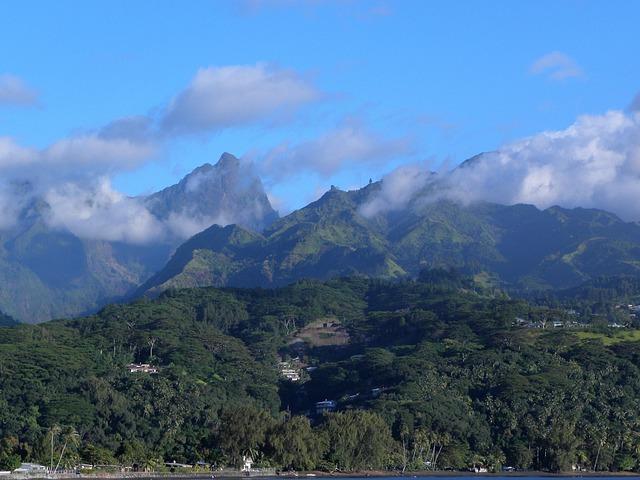
A devastating landslide in Tahiti has claimed the lives of eight individuals and left a community in mourning after two homes were buried under a torrent of mud and debris. The tragic incident occurred amid heavy rainfall on the island, prompting an urgent response from local authorities and emergency services. Rescue efforts are currently underway as officials work to locate any additional victims and assess the full impact of this natural disaster. This incident highlights the ongoing risk of landslides in the region, a concern exacerbated by climatic changes and the challenges of managing infrastructure in vulnerable areas.
Tragic Landslide in Tahiti Claims Eight Lives and Destroys Homes
A devastating landslide in Tahiti has resulted in the tragic loss of eight lives, leaving families and communities in mourning. The disaster struck during the early hours, as heavy rainfall saturated the soil, triggering the collapse of a hillside in the rural district of Teva I Uta. Two homes were completely engulfed in debris, and rescue teams have been tirelessly working around the clock to search for survivors. As the situation unfolds, local authorities are focusing their efforts on providing aid to the affected families and assessing the extensive damage to the surrounding area.
In light of this tragedy, concerns about the impact of climate change and deforestation on unstable terrains have been raised. Data gathered from the region indicates an alarming increase in the frequency of landslides, exacerbated by rain patterns altered by global warming. Community leaders are calling for urgent action to mitigate future risks. Key points of focus include:
- Reforestation efforts to stabilize soil.
- Improved weather forecasting and emergency response systems.
- Community education on land use and safety practices.
As recovery operations continue, the solidarity and resilience of the Tahitian people will play a crucial role in navigating the challenges ahead.
Rescue Efforts Intensified Amidst Ongoing Concerns of Further Landslides
Rescue teams are working tirelessly in Tahiti, where the tragedy of a landslide has claimed the lives of eight individuals. As the search continues, the danger of further landslides looms large, prompting local authorities to expedite their recovery efforts. The areas affected have been rife with instability, leading experts to declare the ongoing situation precarious. Emergency services are assessing the landscape, employing specialized equipment to locate missing persons and provide aid to survivors.
In light of the recent disaster, several measures are being implemented to ensure safety and mitigate further risks. Authorities have issued evacuation orders in vulnerable sectors and established temporary shelters for those displaced. Key actions include:
- Increased monitoring: Geological surveys to predict potential slides.
- Public alerts: Regular updates and communications to keep residents informed.
- Community engagement: Training locals in response protocols to improve readiness.
| Date | Action Taken | Outcome |
|---|---|---|
| October 8 | Rescue Operations Initiated | Eight confirmed dead, search ongoing |
| October 9 | Evacuation Orders Issued | Residents moved to safety |
| October 10 | Geological Assessment Started | Identified high-risk areas |
Calls for Improved Infrastructure and Early Warning Systems in Vulnerable Regions
The tragic landslide in Tahiti that resulted in the loss of eight lives has reignited discussions surrounding the urgent need for enhanced infrastructure and effective early warning systems in regions prone to natural disasters. Local authorities and community leaders are calling for a comprehensive assessment of existing structures, particularly in areas vulnerable to geological events. In many such regions, inadequate roads, unstable buildings, and outdated drainage systems exacerbate the effects of natural disasters, leading to devastating consequences. Stakeholders are urging a multifaceted approach that includes:
- Investing in modern construction techniques to ensure safety and durability.
- Establishing real-time monitoring systems for landslide risks based on geological surveys.
- Implementing community training programs to educate residents on emergency preparedness.
In light of this incident, advocates emphasize the importance of collaboration between government agencies and international organizations to formulate stringent building codes and disaster management strategies. A table summarizing necessary preparations and measures can serve as a guide to ensure that vulnerable areas remain resilient against future calamities:
| Measure | Description |
|---|---|
| Infrastructure Assessment | Regular evaluations to identify weaknesses in current structures. |
| Early Warning Systems | Technologies that alert residents of impending landslides. |
| Community Engagement | Programs that foster local participation in disaster preparedness. |
Future Outlook
In the wake of this tragic incident in Tahiti, the local community is left to grapple with profound loss and sorrow. As rescue efforts continue and investigations into the cause of the landslide are conducted, the focus remains on providing support to the affected families and honoring the memory of those who lost their lives. Authorities are urging residents to remain vigilant as they assess the stability of the region, while initiatives for disaster preparedness are expected to be revisited in light of this calamity. As Tahiti mourns, the incident serves as a sobering reminder of the natural hazards that can strike with little warning, emphasizing the need for enhanced community resilience in the face of such devastating events.










