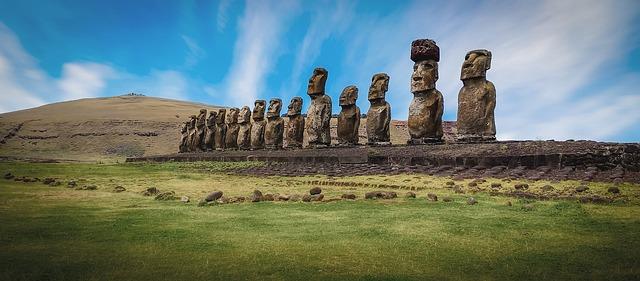
Easter Island, famed for its enigmatic Moai statues that have long captivated visitors and researchers alike, faces an increasingly perilous future due to the looming threat of rising sea levels. According to a recent study highlighted by Al Jazeera, projections indicate that by 2080, many of the island’s iconic stone figures may be submerged or severely compromised as climate change continues to accelerate. This alarming prospect not only endangers the cultural heritage of the island but also raises urgent questions about the environmental challenges faced by vulnerable communities worldwide. As global temperatures climb and polar ice melts, the implications for Easter Island-located over 2,000 miles off the coast of Chile-serve as a stark reminder of the far-reaching impacts of climate change on our planet’s most treasured sites.
Rising Sea Levels Threaten Easter Island’s Cultural Heritage and Tourism
The breathtaking landscapes of Easter Island, famed for its monumental moai statues, face an imminent threat from rising sea levels. A recent study highlights that by 2080, many iconic sites could be submerged, altering not only the geography but also the cultural legacy of this remote Polynesian territory. The effects of climate change have far-reaching implications, jeopardizing both the archaeological treasures and the livelihoods of local communities dependent on tourism, which represents a significant portion of their economy. Local guides and craftspeople fear the loss of heritage may lead to diminished visitor interest and economic downturn.
Authorities and conservationists are now faced with a pressing need to devise strategies to protect the site from escalating environmental risks. Effective measures may include:
- Coastal defenses: Implementing barriers to absorb wave impacts.
- Erosion control: Planting vegetation to stabilize soil.
- Community awareness: Educating residents and visitors about climate change effects and conservation efforts.
Additionally, international collaboration is essential to address these challenges. A table outlining potential action areas highlights critical initiatives:
| Action Area | Description |
|---|---|
| Research | Conduct studies on the impact of rising seas on moai. |
| Funding | Secure grants for preservation and climate adaptation measures. |
| Policy | Develop regulations to safeguard heritage sites. |
Urgent Strategies Needed to Preserve Iconic Moai Statues Amid Climate Change
The looming threat of rising sea levels poses a significant challenge to the preservation of Easter Island’s renowned Moai statues, with projections indicating potential damage by 2080. As climate change accelerates, the increasing frequency of extreme weather events and coastal erosion threaten not only the statues themselves but also the delicate ecosystems surrounding them. Local authorities and conservationists are calling for immediate action, emphasizing the need for a multifaceted approach to safeguard these cultural treasures. Essential strategies include:
- Implementing Coastal Defenses: Constructing seawalls and other barriers to protect against encroaching tides.
- Redistribution of Resources: Allocating more funding for preservation projects and research on sustainable practices.
- Community Engagement: Involving local families and stakeholders in conservation efforts to foster a sense of ownership and responsibility.
- International Collaboration: Partnering with global organizations for technical support and knowledge sharing.
Moreover, establishing a monitoring system to track changes in the statues’ condition and the surrounding environment is paramount. The introduction of innovative technologies, such as drones and remote sensing, can aid in assessing the impact of climate change on these ancient artifacts. A collaborative effort to gather data will facilitate informed decision-making, ensuring the Moai statues not only survive but thrive for generations to come. This unified approach aims to create robust preservation strategies:
| Strategy | Purpose |
|---|---|
| Regular Assessments | To monitor and document the condition of the Moai statues. |
| Community Training | To equip locals with skills for conservation techniques. |
| Awareness Campaigns | To inform tourists and locals about the importance of preservation. |
Community and Global Action Required to Safeguard Easter Island’s Future
As the threat of rising seas looms over Easter Island, a collective commitment from both local communities and global stakeholders is crucial for the preservation of this UNESCO World Heritage site. The island’s iconic Moai statues, which hold deep cultural significance, face the possibility of inundation in the coming decades. Immediate steps are necessary to implement sustainable practices that mitigate the impacts of climate change while enhancing the resilience of this remote island. Local initiatives aimed at environmental conservation, along with partnerships with global organizations, can provide the support needed to combat the looming crisis.
A comprehensive strategy for safeguarding Easter Island’s heritage must prioritize community involvement in decision-making processes and foster education about environmental stewardship. Key actions include:
- Strengthening coastal defenses: Constructing barriers and restoring natural ecosystems can help shield vulnerable areas.
- Promoting sustainable tourism: Initiatives that educate visitors on the island’s history and ecology while minimizing their environmental footprint are essential.
- Investing in renewable energy: Transitioning to sustainable power sources can reduce the community’s carbon footprint and enhance resilience against climate impacts.
Moreover, establishing a dedicated forum for exchange between local leaders, scientists, and policymakers could facilitate innovative solutions. Global awareness campaigns that highlight the cultural richness of Easter Island can foster international support, ensuring that the community’s traditional knowledge and practices are respected and integrated into future planning efforts.
To Wrap It Up
In conclusion, the alarming projections regarding rising sea levels present a significant threat not only to the natural ecosystems of Easter Island but also to its cultural heritage, embodied in the renowned moai statues. A study by researchers underscores the urgency of addressing climate change, highlighting the need for immediate action to protect this UNESCO World Heritage site. As global temperatures continue to rise, the clock is ticking for Easter Island and its iconic landmarks. The findings serve as a stark reminder of the interconnectedness of environmental health and cultural preservation, urging policymakers and communities worldwide to collaborate in safeguarding our shared heritage for future generations. The fate of these ancient statues now hinges on the collective will to combat climate change-an endeavor that demands dedication and immediate response before it becomes too late.