
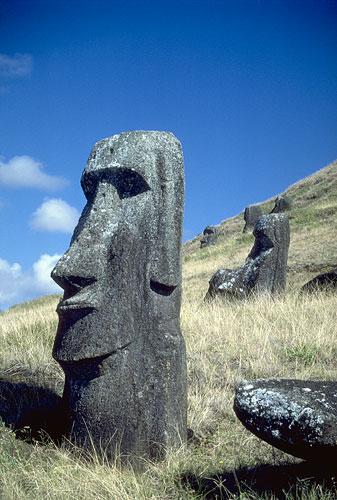
Daily Briefing: Rapa Nui People Did Not Destroy Their Island, Says Nature Study
In a revelation that challenges long-held narratives about environmental degradation, recent research published in Nature refutes the widely accepted belief that the indigenous Rapa Nui people were responsible for the ecological collapse of Easter Island. Instead,the study highlights the complex interplay of colonialism,climate change,and outside influences that have shaped the island’s habitat over centuries. As archaeologists and environmental scientists delve deeper into the island’s history, they are uncovering a nuanced story that emphasizes the resilience and adaptability of the Rapa Nui culture. This article explores the findings of the study and what it means for our understanding of past Indigenous practices and their relationship with the environment.
Understanding Rapa Nui Ecology and Sustainability Insights from Recent Research
The recent discourse surrounding the ecological history of Rapa Nui, frequently enough viewed through the lens of deforestation and resource depletion, is being challenged by innovative research that highlights a more nuanced understanding of the island’s environmental evolution. Scholars now suggest that the narrative of ecological collapse attributed to the Rapa Nui people may overlook significant factors influencing the island’s biodiversity and ecosystem stability. Recent studies emphasize the importance of examining cultural practices and their role in managing natural resources sustainably. These insights paint a picture of a society that thrived in harmony with its environment rather than one that recklessly exploited it.
Moreover,recent findings advocate for recognizing the contributions of traditional ecological knowledge alongside modern scientific approaches. Captivating points raised include:
- Agroecological practices: Indigenous farming techniques that focused on soil conservation and diverse crop cultivation.
- Community resource management: Collaborative methods for resource allocation that promoted sustainability.
- Marine conservation: Practices that safeguarded fish populations and marine habitats.
In addition,a comparative analysis has emerged that illustrates the adaptive strategies employed by Rapa Nui’s inhabitants,as shown below:
| Strategy | Impact on Environment |
|---|---|
| Terracing | Reduced soil erosion and improved water retention |
| Fishery regulations | Maintained fish stocks and supported marine biodiversity |
| Tree planting initiatives | Restored habitats and improved air quality |
Collectively,these insights encourage a re-examination of island management strategies in the context of global sustainability efforts,demonstrating that indigenous knowledge can offer valuable solutions to contemporary ecological challenges.
Debunking Myths: The True Impact of Rapa Nui Practices on the Island’s Environment
Contrary to popular belief, the environmental history of Rapa Nui, or Easter Island, is far more complex and nuanced than the narrative of destruction frequently enough portrayed.While it is indeed true that the island faced significant ecological challenges, recent studies suggest that the islanders’ practices were not solely responsible for its deforestation and resource depletion. Instead, a confluence of factors-including climate change, invasive species, and European contact-played critical roles in shaping the island’s environment.This new understanding shifts the perspective from one of outright blame to a broader examination of human adaptability and environmental interaction.
Research has revealed several key points that challenge the traditional narrative:
- Cultural resilience: The Rapa Nui people showcased remarkable adaptability in their agricultural practices, utilizing montane gardens and fishery resources.
- European influence: The arrival of Europeans introduced new species and diseases, substantially impacting the island’s ecosystem.
- Population dynamics: The effects of overpopulation at certain periods coincided with external pressures rather than being the sole cause of environmental degradation.
Through nuanced investigations, it becomes evident that the story of Rapa Nui is one of coexistence and conflict with nature rather than a simplistic tale of destruction.
Recommendations for Future Conservation Based on Rapa Nui’s Resilience and Adaptation
Rapa Nui’s history is a testament to resilience and adaptation, underscoring the need to draw from traditional ecological knowledge as we look to the future. Collaborative initiatives between the island’s communities and conservationists can enhance biodiversity and resource management. Recommended strategies include:
- Community-Based Resource Management: Empower local governance structures to oversee land and aquatic resources, fostering sustainable practices rooted in ancestral wisdom.
- Restoration of Native Flora and Fauna: Implement programs aimed at reestablishing native species, which are crucial for restoring ecological balance and enhancing island biodiversity.
- Education and Awareness Campaigns: Cultivate understanding of environmental issues and local practices in schools and community centers, fostering a new generation dedicated to conservation.
Additionally, fostering sustainable tourism that respects and incorporates local culture can be a vital revenue stream while ensuring conservation goals are met. To measure the effectiveness of these efforts, a robust monitoring program should be established, documenting changes in ecosystem health and community wellbeing. Proposed metrics for success include:
| Metric | Indicator |
|---|---|
| Native Species Restoration | Population counts and diversity indices |
| Community Engagement | Participation rates in conservation programs |
| Tourism Impact | Visitor numbers and environmental footprint assessments |
To Conclude
the findings presented in this latest research shed new light on the environmental history of Rapa Nui, challenging long-held assumptions about the island’s ecological decline. The evidence increasingly suggests that the narrative of deforestation and societal collapse driven solely by the Rapa Nui people is an oversimplification. Instead, factors such as climate change and external influences played pivotal roles in shaping the island’s landscape. As scientists continue to unravel the complexities of Rapa Nui’s past, it becomes clear that understanding the interconnection between human activity and environmental change is crucial to avoiding similar pitfalls in the future. Continued research is essential for informing conservation efforts and fostering a deeper recognition for the resilience of the Rapa Nui people and their environment.










