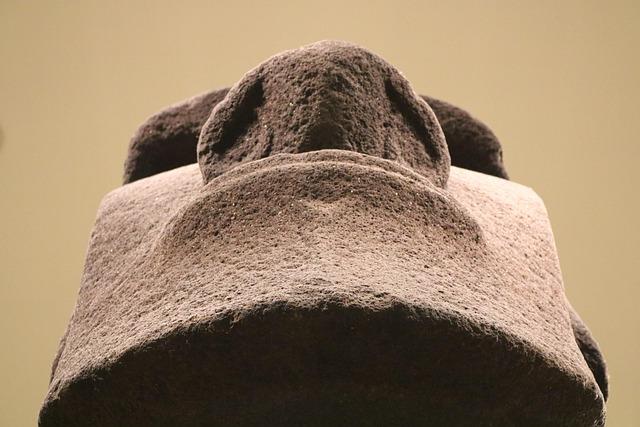
unveiling the Mystery: How the Statues of Easter Island Walked into Place
In the isolated expanse of the South Pacific, Rapa Nui, or Easter Island, holds a treasure trove of archaeological wonders that have baffled scientists for centuries. Among these, the iconic moai statues stand as monumental symbols of cultural heritage and ingenuity. But how did these massive stone figures, some weighing over 80 tons and standing nearly 33 feet tall, travel across the island to their ceremonial sites? Recent scientific investigations promise to lift the veil on this ancient mystery. In a groundbreaking study featured in Nautilus, researchers explore the intriguing possibility that these statues “walked” into place, employing a unique combination of engineering and creative ingenuity. This article delves into the interesting findings that not only reshape our understanding of Easter Island’s history but also illuminate the broader capabilities of human innovation in the face of daunting challenges. Join us as we unpack the science behind the movement of these colossal creations and what it reveals about the society that crafted them.
Exploring the Engineering Marvels Behind the Mobility of Easter Island Statues
The awe-inspiring moai statues of Easter Island, known for their towering heights and robust features, have captivated scientists and visitors alike for centuries. Recent studies unveil the ingenious techniques employed by the Rapa Nui people to maneuver these massive stone figures from quarries to ceremonial sites. It appears that a combination of ingenuity, teamwork, and an intimate understanding of physics enabled the ancient islanders to transport the statues without the aid of modern machinery.This involved utilizing natural materials and simple tools,paired with leveraging the environmental landscape,to create a system that allowed the moai to be “walked” into place.
Analyses suggest that the transport method relied heavily on the kinetic energy generated by coordinated movements. Workers would employ simple toolkits to rock the statues back and forth, allowing them to “walk” to their final destinations in a way that mimicked a swaying motion. Key features of this transport system included:
- Harnessing teamwork: Groups of individuals would collaborate, fostering a community effort that was essential for success.
- Understanding of materials: The Rapa Nui utilized ropes and wooden sledges made from local resources to facilitate smoother movement.
- Adaptation of environmental elements: Utilizing slopes, soil types, and even vegetation helped to ease the movement of these colossal statues.
This remarkable blend of engineering, social organization, and environmental awareness reflects a unique cultural legacy, showcasing the Rapa Nui’s mastery over their surroundings and their formidable problem-solving skills in a time long before modern technology.
Uncovering the Techniques That Enabled Ancient Polynesians to Transport Moai
the transportation of the towering moai statues of easter island remains one of the most fascinating feats of ancient engineering. recent studies suggest that the Polynesians employed a series of innovative techniques that allowed them to move these colossal figures across substantial distances. To achieve this seemingly unfeasible task, they likely utilized a combination of leverage, manpower, and rudimentary transportation tools.Using ropes made from palm fibers,they could efficiently maneuver the moai by employing a coordinated effort among a group of individuals,allowing them to tilt the statues back and forth as if they were “walking.” This motion not only minimized damage to the statues but also enabled the teams to cover uneven terrain with greater ease.
Additionally, evidence points to the use of log rollers and wooden sleds, which facilitated movement over longer stretches. The intricate knowledge of their surroundings and resources allowed the Polynesians to create paths and access routes that would otherwise go unnoticed. Researchers propose that the manipulation of moai weight distribution played a critical role, with teams likely adjusting the positioning of the statues to balance the weight effectively. Further exploration of tools,methods,and social organization reveals a sophisticated level of collaboration and ingenuity robust enough to endure and thrive in the remote landscape of Easter Island.
Lessons from Easter Island: Sustainable Practices for Modern transportation Challenges
The story of Easter Island, with its iconic moai statues, serves as a cautionary tale for modern societies grappling with transportation sustainability. At its height, the island’s inhabitants developed advanced methodologies for moving these massive stone figures, employing a combination of ingenuity and community coordination.Observing their practices can inspire contemporary solutions to the challenges of urban mobility and environmental impact. The Rapa Nui utilized a collaborative approach,rallying entire communities to transport the statues,which required not just physical strength but effective interaction and teamwork. This highlights the importance of collective action in addressing transportation inefficiencies today.
Moreover, the island’s eventual ecological degradation consequently of unsustainable practices provides a critical lens through which to evaluate modern transportation.Just as the rapa Nui faced the consequences of overexploitation of their resources,societies today risk straining their ecosystems through continued reliance on fossil fuels and inefficient transport systems. By incorporating renewable energy sources, optimizing public transit options, and promoting active transportation, we can draw on historical lessons to forge a path towards resilience. As cities evolve, adopting a model of sustainability inspired by the past could prevent the repeat of Easter island’s history, ensuring that our transportation systems do not lead to a similar fate of collapse and regret.
Future Outlook
the captivating journey of the Easter Island statues, or moai, highlights the unbelievable ingenuity and resourcefulness of the Rapa nui people. The recent studies and innovative theories surrounding the movement of these colossal stony sentinels provide not just answers but also spark further curiosity about this remote island’s past. As researchers continue to unlock the secrets of these monumental figures, the story of the statues serves as a reminder of humanity’s enduring quest for understanding and connection to our history.The strolling giants of Easter Island not only symbolize the artistic and cultural prowess of an ancient civilization but also reflect the broader human experience of adaptation and perseverance. As we delve deeper into the mysteries of our world, the moai stand resolute, waiting to reveal more about the complexities of human ingenuity.