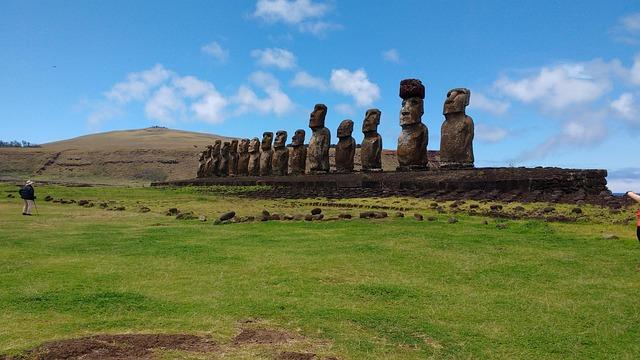
In a groundbreaking revelation that could reshape our understanding of one of the world’s most enigmatic archaeological sites, new research has emerged detailing the origins of the iconic Moai statues of Easter Island. Long shrouded in mystery, these towering stone figures have captivated historians, archaeologists, and tourists alike, prompting questions about their construction and the civilization that created them. Recent findings, borne from advanced dating techniques and comprehensive analysis of local geological materials, offer fresh insights into the impressive artistry and cultural significance of these monumental statues. This article delves into the latest discoveries, shedding light on how these remarkable structures were made and the social dynamics of the Rapa Nui people, illuminating a pivotal chapter in the island’s rich history.
New Insights into the Construction Techniques of Easter Island Statues
Recent studies have shed light on the sophisticated construction techniques employed by the ancient Rapa Nui civilization in crafting the monumental moai statues of Easter Island. Using a blend of geological analysis and archaeological findings, researchers have determined that the creators of these statues utilized a combination of local basalt quarries and unique stone carving approaches. The process involved meticulous planning, as the islanders developed tools from volcanic rock and harnessed the natural landscape to facilitate the transportation of the massive structures across the island. Key insights include:
- Quarry Location: Evidence suggests multiple quarries were actively used, specifically in the Rano Raraku area, which provided the most suitable volcanic tuff.
- Tool Innovation: The creation of custom tools from local materials allowed for precise carving, enabling artisans to achieve the intricate details observed on the moai faces.
- Transportation Techniques: New hypotheses propose that the statues were not rolled on logs as previously believed, but rather ‘walked’ upright, using a sophisticated method of coordinated movement.
This groundbreaking research also highlights the social organization of the Rapa Nui people, who must have communicated and collaborated effectively to execute such ambitious projects. The intricacies of statue placement had significance beyond mere aesthetics; the alignment of moai with sacred sites suggests a complex relationship with their environment and spiritual beliefs. A comparison of the statues across different archaeological sites on the island reveals a fascinating evolution in style and technique, categorized as follows:
| Statue Category | Characteristics | Estimated Age |
|---|---|---|
| Early Moai | Rough shapes, less detail | 1000-1200 AD |
| Medium Moai | More defined features, refined style | 1200-1500 AD |
| Late Moai | Highly detailed, individualized expressions | 1500-1800 AD |
Exploring the Cultural Significance Behind the Moai’s Creation
The Moai statues of Easter Island, or Rapa Nui, are not merely monumental creations; they are emblematic of the island’s complex social structure and spiritual beliefs. Recent research indicates that these awe-inspiring figures were crafted as expressions of ancestral worship. The Rapa Nui people believed that the Moai embodied the spirits of their forefathers, who would protect and bless the community. As such, their construction served not only as a demonstration of craftsmanship and artistry but also as a means of solidifying the social hierarchy, with leaders commissioning the largest and most elaborate statues to solidify their status and prestige.
Moreover, the materials and techniques used in the creation of the Moai reflect a significant understanding of the island’s environmental conditions. Researchers highlight the delicate balance the Rapa Nui maintained with their resources, showcasing their remarkable ingenuity in transport and carving methods. This highlights a deeper aspect of their culture where the connection to the land was paramount. Key features surrounding the Moai include:
- Location: Positioned mostly along the coastline, symbolizing their connection to the sea.
- Orientation: Many face inland, watching over the communities they protect.
- Cultural Ceremonies: Rituals often accompanied the statues, emphasizing their spiritual importance.
Recommendations for Preserving Easter Island’s Heritage Amid Modern Challenges
To ensure the long-term preservation of Easter Island’s extraordinary heritage amid ongoing modern challenges, stakeholders must prioritize a collaborative approach that unites local communities, researchers, and policymakers. Community engagement is essential, as the island’s indigenous Rapa Nui people possess invaluable traditional knowledge and cultural practices that can inform conservation efforts. Establishing educational programs that emphasize the significance of the moai statues and related archaeological sites can foster a sense of stewardship among residents and visitors alike.
Additionally, sustainable tourism practices must be implemented to minimize the environmental impacts on the island. This includes limiting visitor access to sensitive areas and promoting eco-friendly alternatives, such as guided tours led by local experts. Collaborative partnerships with international conservation organizations can provide vital resources and technical expertise necessary for protecting these cultural treasures. In light of recent research uncovering the origins of the moai, it is crucial that strategies are developed to balance the promotion of heritage tourism with the urgent need for preservation.
Insights and Conclusions
In conclusion, the groundbreaking research on the origins of the enigmatic Easter Island statues has shed new light on the cultural and historical significance of these monumental figures. As scholars continue to unravel the mysteries of Rapa Nui’s rich heritage, it becomes increasingly clear that the artistry and ingenuity behind these statues reflect the profound connection between the island’s inhabitants and their environment. This new understanding not only enhances our appreciation for these iconic structures but also underscores the importance of preserving the cultural legacy of Easter Island for future generations. As further studies emerge, the story of these remarkable statues will undoubtedly evolve, inviting more inquiry and fascination from around the globe. For ongoing updates on this captivating topic and other local news, stay connected with the Northeast Mississippi Daily Journal.